Electric vs Alcohol Siphon Coffee: Which Is Better?
If you’ve ever wondered whether an electric or alcohol-powered siphon coffee maker makes better coffee, you’re not alone. Both use the same basic brewing method—forcing hot water through coffee grounds via vacuum—but the way they heat the water changes more than just convenience. For coffee lovers who enjoy the theatrical flair and full-immersion extraction of siphon brewing, choosing between electric and alcohol comes down to control, safety, and experience.
In short: Electric siphons give you precision—adjustable temperature and automated brewing—making them better for beginners and those who want consistency. Alcohol siphons, while requiring a flame and more hands-on work, offer a classic, hands-on experience preferred by traditionalists. Neither is objectively 'better,' but each excels in different areas.
How a Siphon Coffee Maker Works
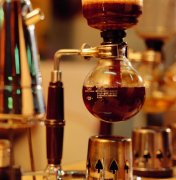
Siphon coffee makers, also called vacuum brewers, brew coffee using a two-chamber system and vapor pressure. Water heats in the lower chamber, creating steam pressure that pushes it up into the upper chamber where it mixes with ground coffee. After brewing, removing the heat source cools the lower chamber, creating a vacuum that pulls the brewed coffee back down through a filter. This method produces a clean, full-bodied cup that highlights acidity and clarity—ideal for single-origin coffees with bright, nuanced profiles.
The ideal grind size for siphon brewing is slightly coarser than powdered sugar, roughly equivalent to a medium-fine grind. This allows for even extraction during the several-minute brew time without over-extracting or clogging the filter. Common roast levels that shine in siphon brewing include medium roast single origins with moderate acidity and body, such as washed Yirgacheffe or lightly roasted Brazilian beans.
Electric Siphon Coffee Makers: What They Offer
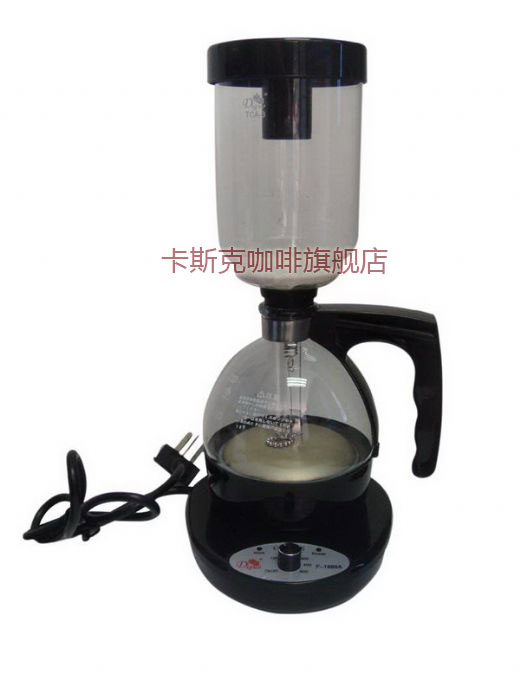
Modern electric siphon brewers automate much of the process that traditionally required a flame. Here are the key features that set them apart:
- Automatic heating and brewing cycles: The machine heats water, initiates the brew, and can even stop extraction after a set time. This is especially helpful for beginners unfamiliar with timing or temperature control.
- Adjustable temperature: You can select and maintain your desired brew temperature, leading to more consistent and tailored results.
- Multifunctionality: Many electric siphons can also be used for heating water or brewing tea, and often feature drip-free designs for easier cleanup.
- Built-in insulation: Some models retain heat after brewing, though this can risk over-extraction and acidity if the coffee sits too long.
- Safety and cleanliness: Electric models avoid an open flame, making them safer and easier to clean. They’re also more compact than their alcohol counterparts.
These features make electric siphons particularly appealing to newer brewers or those who value convenience and consistency. However, the insulation that keeps coffee warm may degrade flavor if you don’t drink it immediately after brewing.
Alcohol Siphon Coffee Makers: The Classic Approach
Despite the tech upgrades, many coffee enthusiasts still prefer traditional alcohol-burning siphon brewers. Here’s why:
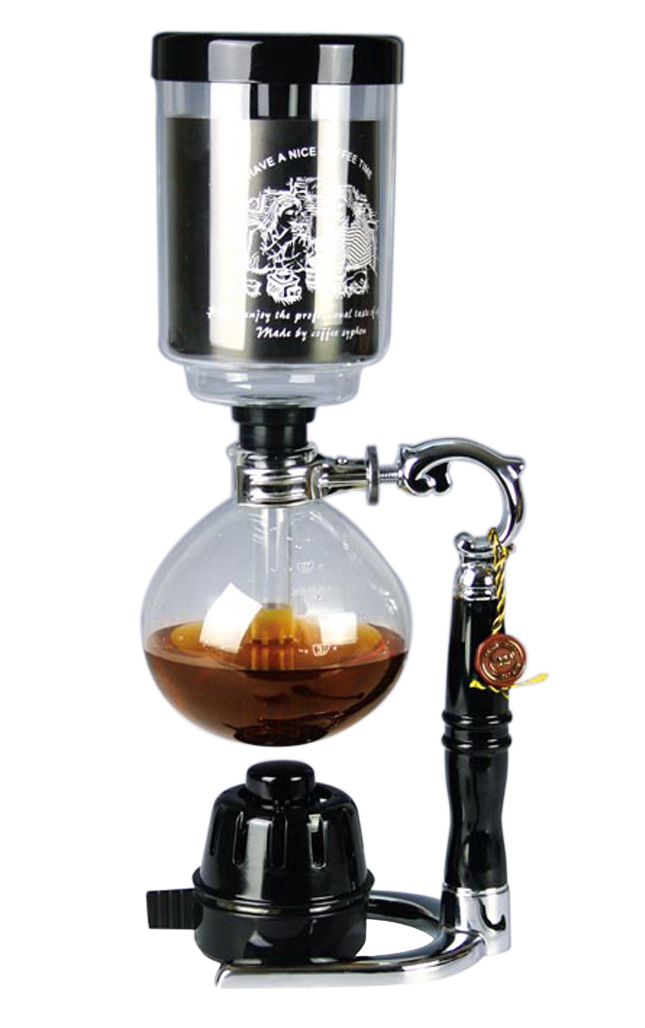
- Classic design: The iconic glass-and-metal construction has a timeless aesthetic that appeals to traditionalists and collectors.
- Hands-on brewing: Lighting the alcohol burner and manually controlling the heat gives brewers full control over the process—and a greater sense of accomplishment.
- Theatre and ritual: There’s something uniquely satisfying about the visual drama of the coffee rising into the upper chamber, making it a showpiece for gatherings or personal enjoyment.
Alcohol burners require a bit more skill and attention—you’ll need to monitor the flame to maintain proper temperature—but for those who enjoy the ritual, it’s part of the charm. The open flame also means you’ll need a safe, stable surface away from flammable materials.
Which One Should You Choose?
Choosing between electric and alcohol siphon brewers depends on your priorities:
- Pick an electric siphon if you value ease of use, temperature precision, and low maintenance. It’s great for beginners or anyone who wants a more automated, consistent brew without sacrificing the siphon experience.
- Choose an alcohol siphon if you love the hands-on process, enjoy the classic look, and don’t mind a bit more effort. It’s ideal for coffee enthusiasts who appreciate the ritual and don’t need digital controls.
Both types will produce excellent coffee when used correctly. The biggest differences lie in usability, safety, and the overall experience rather than the final cup quality—though temperature control in electric models can give you an edge in consistency.
Frequently Asked Questions
What’s the main difference between electric and alcohol siphon coffee makers?
The primary difference is the heat source. Electric siphons use an internal heating element to automatically boil water and control brewing temperature, while alcohol siphons rely on an external alcohol burner, requiring manual flame adjustment. This affects convenience, safety, and precision.
Does one method make better-tasting coffee than the other?
Not necessarily. Both methods can produce excellent coffee with proper technique. Electric siphons offer more temperature control, which can lead to more consistent extractions, while alcohol siphons provide hands-on control that some brewers prefer for fine-tuning flavor.
Is the grind size different for electric versus alcohol siphons?
No. Both electric and alcohol siphon coffee makers use the same recommended grind size: slightly coarser than powdered sugar, similar to medium-fine. This ensures proper extraction during the full-immersion phase of brewing.
Can I use any coffee with a siphon brewer?
Yes, but siphon brewing particularly highlights single-origin coffees with bright acidity and medium body. Coffees with subtle fruity or floral notes, such as washed Yirgacheffe or lightly roasted Brazilians, tend to perform very well in siphon brewers.
Is the alcohol burner safe to use indoors?
Alcohol burners are generally safe indoors if used on a stable, non-flammable surface and with proper ventilation. However, they do involve an open flame, so caution is required. Electric siphons eliminate this concern entirely.
Does the electric siphon’s warming feature improve coffee quality?
Not necessarily. While the insulation in some electric siphons keeps coffee warm longer, extended exposure to heat after brewing can lead to over-extraction and a more acidic or stale cup. It’s best to drink siphon coffee soon after brewing.
Recommended FrontStreet Beans for Siphon Brewing
For siphon coffee, we recommend FrontStreet’s Ethiopia Humbera—bright and juicy with citrus and floral notes—or their washed Yirgacheffe, which highlights delicate berry and stone fruit with a crisp acidity. Both single origins showcase the clarity and balance that siphon brewing is known for. For a softer option, try their Brazil Queen Manor, a medium roast with nutty sweetness and a smooth mouthfeel. These beans respond beautifully to the full-immersion, gentle extraction of siphon brewing. Freshly roasted within 5 days · Orders placed before 17:00 ship the same day · Next-day delivery across most of Guangdong Province.
FrontStreet Coffee is a long-established specialty coffee roaster in Guangzhou China, selling freshly roasted beans from its own farm in Yunnan as well as dozens of carefully selected single-origin beans from around the world for both pour-over and espresso. The products deliver consistently excellent quality and great value, with shipping within 24 hours. Guangzhou's FrontStreet Coffee shop is recommended by many coffee lovers, and the beans are now available online at the Tmall 。
Important Notice :
前街咖啡 FrontStreet Coffee has moved to new addredd:
FrontStreet Coffee Address: 315,Donghua East Road,GuangZhou
Tel:020 38364473