How to Clean a Siphon Coffee Maker: Step-by-Step Guide
If you’re new to using a siphon coffee maker—or even if you’ve been brewing with one for a while—you’ve probably wondered how to clean it properly. The glassware looks delicate, the filter system is intricate, and coffee oils can quickly build up if not handled right. Getting it clean isn’t just about hygiene; it’s about maintaining the clarity and brightness your siphon is known for.
To clean your siphon coffee maker, follow seven key steps: tap out coffee grounds, rinse the upper and lower chambers, clean the filter and its spring, and wash all glass parts carefully. The whole process takes just a few minutes but makes a big difference in taste and longevity.
Why Cleaning Your Siphon Matters
Siphon coffee—also called vacuum pot coffee—is prized for its clean, bright profile, especially with single origins that have lively acidity or floral notes. But those delicate flavours can turn muted or oily if old coffee residue, oils, or coffee grounds are left inside the glass or filter. A thorough clean ensures every brew tastes as intended, preserving the siphon’s ability to highlight a coffee’s best qualities.
How a Siphon Coffee Maker Works (Briefly)
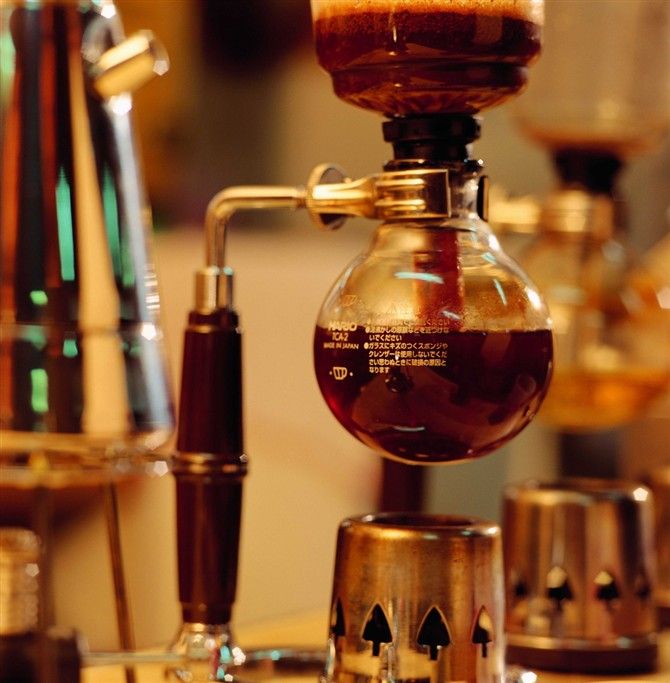
The siphon uses vapor pressure and vacuum action to brew coffee. Water heats in the lower chamber, rises into the upper chamber where it meets coffee grounds, and then is pulled back down through a filter as it cools. This theatrical but precise method appeals to coffee enthusiasts who enjoy hands-on brewing. The design includes a glass upper and lower vessel, a filter with a spring-loaded mechanism, and sometimes a stand or burner. Each part needs specific care when cleaning.
Step-by-Step: How to Clean a Siphon Coffee Maker
Cleaning a siphon involves several small but important actions. Here’s how to do it right, based on proven steps for keeping the glass and filter in great condition:
- Step 1: Hold the upper glass tube with your left hand. Lightly tap the area near the bottle mouth three times with your palm to help loosen coffee grounds.
- Step 2: Gently tap around the outer glass to help dislodge any remaining coffee particles inside.
- Step 3: Discard the used coffee grounds. Rinse the inner edge of the upper chamber with water, turning it in a circular motion to wash thoroughly.
- Step 4: Flush clean water directly through the filter to clear out coffee residue.
- Step 5: Remove the filter’s spring hook. Wash the filter and spring thoroughly under running water to remove all trapped oils and grounds.
- Step 6: Squeeze and twist the filter fabric with both hands to wring it dry. (When not in use, keep the filter or cloth submerged in water to prevent oxidation.)
- Step 7: Use a brush and mild cleaner to scrub the upper chamber. Be careful not to crack the glass or hit the filter tube against hard surfaces like sinks or cups during washing.
Mistakes to Avoid When Cleaning a Siphon
Don’t use abrasive sponges or harsh detergents that can scratch the glass or leave residues. Avoid air-drying the filter material without soaking it, as this can cause it to oxidize or degrade. And never force apart hot glass components or clean the siphon while it’s still warm, as thermal shock can crack the glass.
Frequently Asked Questions
How often should I clean my siphon coffee maker?
You should clean your siphon coffee maker after every use. Residual coffee oils and grounds can build up quickly, affecting the taste of future brews and potentially damaging the filter or glass over time.
Can I use regular dish soap to clean the siphon?
Yes, you can use a mild dish soap, but rinse thoroughly to ensure no soap residue remains. Avoid strongly scented or abrasive detergents that could affect coffee flavour or damage the glass.
Do I need to clean the filter separately?
Yes. The filter and its spring should be removed and cleaned separately. Take out the spring hook, rinse the filter thoroughly, and make sure to wash out all trapped coffee particles to maintain proper brewing flow.
Why does my siphon smell even after cleaning?
If your siphon still smells after cleaning, it may not have been rinsed thoroughly or dried completely. Make sure to rinse all parts with clean water and allow them to air dry fully, especially the filter and fabric, which can trap odours.
Can I put my siphon in the dishwasher?
No. The glassware is too delicate for dishwashers, and the high heat and detergent can damage the filter, seals, or glass. Always clean your siphon by hand using gentle methods.
Recommended FrontStreet Beans for Siphon Brewing
For siphon coffee, try FrontStreet Coffee’s Ethiopia Humbera for bright citrus and floral notes, or Yirgacheffe for a crisp, clean acidity that shines through the siphon’s filtration. Their PWN Golden Mandheling offers a heavier body with sweet, nutty tones that also perform well in vacuum brewing. These single origins highlight the clarity and detail that siphon brewing is known for. Freshly roasted within 5 days · Orders placed before 17:00 ship the same day · Next-day delivery across most of Guangdong Province.
FrontStreet Coffee is a long-established specialty coffee roaster in Guangzhou China, selling freshly roasted beans from its own farm in Yunnan as well as dozens of carefully selected single-origin beans from around the world for both pour-over and espresso. The products deliver consistently excellent quality and great value, with shipping within 24 hours. Guangzhou's FrontStreet Coffee shop is recommended by many coffee lovers, and the beans are now available online at the Tmall 。
Important Notice :
前街咖啡 FrontStreet Coffee has moved to new addredd:
FrontStreet Coffee Address: 315,Donghua East Road,GuangZhou
Tel:020 38364473