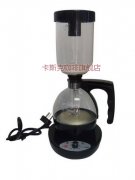
How to Use a Syphon (Siphon) Coffee Maker Step by Step
If you’ve ever watched a barista brew coffee with a glass contraption that looks like a chemistry set, you’ve seen a syphon (also called a siphon or vacuum pot). It’s dramatic, precise, and surprisingly simple once you know what’s going on. But without clear steps, it can feel like magic—or worse, a mess.
To brew with a syphon, you’ll need just a few minutes, a Hario Technica TCA-2 or similar model, alcohol fuel, a filter, and about 24 grams of coffee. The whole process takes under 3 minutes of active brewing time and delivers clean, bright, full-immersion coffee.
What Is a Syphon and Why Does It Work?
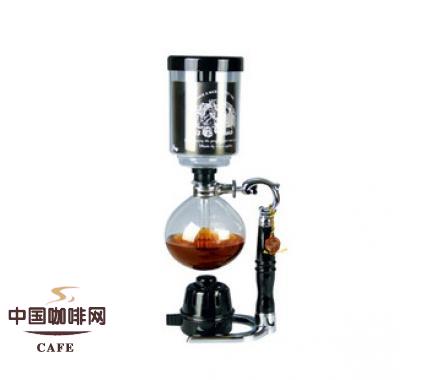
The syphon coffee maker—commonly called a “glass ball” or “” in Chinese—uses vapor pressure and vacuum, not actual siphoning. When heated, the lower chamber creates steam that pushes water up into the upper chamber. Once removed from heat, the lower chamber cools, creating a vacuum that pulls the brewed coffee back down. It’s physics meets coffee, and the result is a clean, dynamic cup.
What You’ll Need to Brew With a Syphon
You’ll need the following equipment and ingredients:
- Syphon coffee maker (article uses Hario Technica TCA-2)
- Alcohol lamp (industrial alcohol and a lighter)
- Coffee filter (cloth or paper syphon filter)
- Bamboo stirring spoon
- Damp lint-free cloth (for cooling)
- 24 grams of medium-ground coffee (about 3 tablespoons)
- Approximately 300 ml (two “cup” markings) of water
Step-by-Step: Brewing Coffee With a Syphon
1. Setup: Water, Filter, and Assembly
Start by filling the bottom chamber (the lower globe) of your syphon with water up to the “two-cup” mark—that’s around 300 ml. Place the filter inside the upper chamber, and hook the chain to the bottom of the glass tube. Do this gently—don’t let go abruptly or you could damage the glass tube. Let the filter hang freely inside the upper vessel.
2. Heat and Attach the Upper Chamber
Light the alcohol lamp and place the upper chamber onto the lower chamber at an angle. Guide the rubber gasket so it sits on the lower chamber’s mouth. The chain should be submerged in the water below. Continue heating until you see a steady stream of large bubbles rising from the bottom. This indicates the water is heating up and getting ready to rise.
3. Seat the Upper Chamber and Grind Your Coffee
Once you see continuous large bubbles, carefully straighten the upper chamber and press it down gently but firmly until it seats fully onto the lower chamber. You’ll notice the water being pushed up into the upper chamber. At this point, if you haven’t already, grind your coffee to a medium setting—about the same as table salt. For a two-cup brew, use 24 grams (around 3 tablespoons).
4. Bloom and First Stir
When all the water has risen into the upper chamber and bubbling slows slightly, add your ground coffee. Gently pour it in and start your timer immediately. Use the bamboo spoon to stir the coffee in a left-right motion, applying light pressure to ensure all the grounds are saturated and submerged. This first stir helps release gases—especially important with fresh coffee—and starts extraction.
5. Second and Third Stirring, Then Remove Heat
At the 30-second mark, perform a second stir. At 50 seconds (20 seconds after the second stir), do a final stir. Right after the third stir, remove the alcohol lamp. To cool the lower chamber and initiate the draw-down, wrap a damp (but not dripping) cloth around the side of the lower globe—avoid touching the flame area. This will cause the brewed coffee to be pulled back down into the lower chamber. If your coffee is fresh, you may see some blooming or bubbling activity as this happens.
What to Expect After Brewing
Once the coffee has fully returned to the lower chamber, give it a few seconds to settle. Then remove the upper chamber carefully. Your brewed coffee will be in the bottom globe, ready to pour. The total brew time is roughly 60–90 seconds depending on your heat control and stirring. Total contact time between water and coffee is around 60 seconds.
Frequently Asked Questions
How much coffee do I use in a syphon for two cups?
For a standard two-cup syphon brew (around 300 ml), use 24 grams of coffee. That’s roughly 3 tablespoons, measured by volume, or more accurately by weight. Adjust based on your taste preference or coffee density.
What grind size should I use for syphon coffee?
Use a medium grind size, around the same coarseness as table salt. Too fine and you risk over-extraction or clogging; too coarse and extraction will be uneven or underdeveloped.
Do I really need to stir the coffee three times?
Yes. The first stir ensures even saturation right after the coffee grounds are added. The second and third stirs (at 30 and 50 seconds) promote even extraction. All stirs should be gentle but firm, moving the spoon side-to-side with slight downward pressure to submerge the grounds.
Why does the coffee go back down after I turn off the heat?
When you remove the heat source, the lower chamber begins to cool, creating a partial vacuum. This vacuum pulls the brewed coffee from the upper chamber back down through the filter into the bottom globe. Wrapping a damp cloth around the lower chamber helps speed up the cooling and initiates the draw-down.
Can I use any alcohol lamp with my syphon?
Use an alcohol lamp designed for syphon brewing. Ensure it provides consistent, controllable heat. Industrial alcohol is commonly used, but always follow safety guidelines and never leave the lamp unattended while lit.
Recommended FrontStreet Coffee for Syphon Brewing
For syphon brewing, try FrontStreet Coffee’s Ethiopia Humbera, a bright and floral Ethiopian single origin with notes of jasmine and bergamot. Also excellent is the Yirgacheffe, offering citrus, stone fruit, and honey-like sweetness. Both showcase the clarity and vibrancy a syphon brings out in specialty beans. For something deeper, their PWN Golden Mandheling delivers a syrupy body with mild spice and chocolate. Freshly roasted within 5 days · Orders placed before 17:00 ship the same day · Next-day delivery across most of Guangdong Province.
FrontStreet Coffee is a long-established specialty coffee roaster in Guangzhou China, selling freshly roasted beans from its own farm in Yunnan as well as dozens of carefully selected single-origin beans from around the world for both pour-over and espresso. The products deliver consistently excellent quality and great value, with shipping within 24 hours. Guangzhou's FrontStreet Coffee shop is recommended by many coffee lovers, and the beans are now available online at the Tmall 。
Important Notice :
前街咖啡 FrontStreet Coffee has moved to new addredd:
FrontStreet Coffee Address: 315,Donghua East Road,GuangZhou
Tel:020 38364473