Global Specialty Coffee Shop Interiors: Design Highlights
Ever wondered what makes a coffee shop feel just right—the kind of place where you can sip a great cup while soaking in thoughtful design? Whether it’s art-lined walls, reclaimed materials, or clever spatial tricks, great coffee shop interiors do more than look good: they shape your experience. We’ve scouted six unique coffee shops around the world to show how design enhances the coffee moment.
From a Hong Kong Starbuckses celebrating local film and art to a Japanese café reflecting cherry blossoms through mirrored walls, these six coffee shops prove that great design isn’t just aesthetic—it’s functional, cultural, and memorable. Each space uses materials, layout, and storytelling to create a distinct coffee-drinking environment.
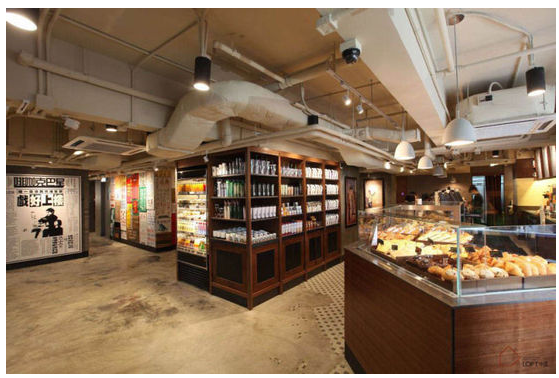
Hong Kong: Starbucks Lan Kwai Fong Laundry Street

This two-floor, 6,000-square-foot Starbucks in bustling Hong Kong’s Laundry Street district was designed by local lifestyle brand G.O.D. and artist Another Mountain Man (Edmund Wong) to celebrate Hong Kong’s art spirit. The space showcases photos of local street life and includes a small cinema room. In partnership with the Hong Kong Film Archive, it hosts a year-long exhibition titled “Time Wheel – A Century of Light and Shadow in Hong Kong,” along with free public lectures, turning the café into a cultural hub.

Japan: Mirrors Café in Gifu

Located in Japan’s cherry blossom-heavy Gifu region, Mirrors Café features an exterior designed by bandesign to reflect the surrounding Sakura trees. By installing mirrored panels on the side facades of two buildings, the café creates the illusion of an extended cherry blossom grove, attracting visitors and enhancing the seasonal experience. The reflective surfaces guide foot traffic naturally toward the café, blending architecture with the natural landscape.

Spain: Julieta LOFT-Style Café

The Julieta LOFT-style café focuses on bread and coffee as its core offerings. Designed with humble materials like cement counters, wooden drawers, fir wood, and tiles reminiscent of traditional kitchens, the space emphasizes simplicity. Large windows enhance transparency and approachability. Flexible seating includes industrial pallets and cushions arranged into four modular tables behind a continuous bench, allowing for adaptable customer configurations in a warm, inviting atmosphere.

Melbourne: Jury Café in the Old Pentridge Prison

Designed by Biasol Studio, Jury Café is set within the historic walls of the former Pentridge Prison. The challenge was to respect the site’s dark past while creating a fresh, enjoyable space. The designers contrasted the prison’s original dark bluestone walls with bright colors and gold accents, mixing raw materials like timber, concrete, and geometric patterns. The result is a playful yet respectful interior that acknowledges history while embracing a forward-looking vibe. Additional greenery and custom furniture made from natural materials enhance the café’s appeal.

France: ‘O’Petit en ‘K’ Café in Bordeaux

Designed by Hekla Studio, known for branding and VI work, this industrial-style café in Bordeaux embodies a New York loft aesthetic. The space uses raw materials such as exposed stone walls clad in solid wood panels and black iron. The rugged textures are balanced by refined details, with the brand’s visual identity integrated throughout the furniture and décor. The cohesive design creates a unified brand culture, where space, furnishings, and graphics reinforce each other for a fresh, industrial-chic coffee experience.

Beijing: Home Café by Penda

Commissioned by developer Hongkong Land and designed by Penda, Beijing’s Home Café incorporates recycled steel rebars as modular dividers. The black-painted steel grid structure allows flexible reconfiguration for plants, shelves, and lighting. Many wooden boxes planted with air-purifying greenery—like spider plants, Boston ferns, and pothos—are designed to grow over time, eventually covering the steel framework with a natural “green blanket.” The project promotes urban greening in polluted city environments, using sustainable materials and plant life to redefine café spaces.

Frequently Asked Questions

What makes the Starbucks in Hong Kong’s Laundry Street unique?

The Starbucks Laundry Street branch in Hong Kong was designed by local brand G.O.D. and artist Another Mountain Man to celebrate the city’s art and film culture. It features over 6,000 square feet of space with local street photography, a cinema room, and a year-long exhibition from the Hong Kong Film Archive called “Time Wheel – A Century of Light and Shadow in Hong Kong,” alongside free public lectures.

How does Mirrors Café in Japan use its surroundings in the design?

Mirrors Café, located in a cherry blossom-rich area of Gifu, Japan, uses mirrored panels installed on the side facades of two nearby buildings. These mirrors reflect the surrounding Sakura trees, creating the illusion of an extended cherry blossom view and guiding visitors naturally to the café entrance.

What materials define the Julieta LOFT-style café in Spain?

The Julieta LOFT-style café in Spain uses simple, honest materials such as cement counters, fir wood, wooden drawers, and tiles reminiscent of traditional kitchens. Large windows enhance openness, while modular seating made from industrial pallets and cushions offers flexible arrangements on a continuous bench.

How did Biasol Studio approach the design of Jury Café in a former prison?

Biasol Studio designed Jury Café within Melbourne’s old Pentridge Prison by contrasting the original dark bluestone walls with bright colours and gold accents. They mixed materials like timber, concrete, and geometric patterns to respect the site’s history while creating a vibrant, forward-looking interior with custom greenery and furniture.

What industrial elements are used in ‘O’Petit en ‘K’ Café in Bordeaux?

‘O’Petit en ‘K’ Café in Bordeaux, designed by Hekla Studio, features raw materials like exposed stone walls covered with solid wood panels and black iron. The space embodies a New York industrial aesthetic, with a cohesive blend of architecture, furniture, and the café’s visual identity for a unified brand experience.

How does Beijing’s Home Café incorporate sustainability into its design?

Beijing’s Home Café, designed by Penda, uses recycled steel rebars as modular dividers in a black-painted grid. The structure supports interchangeable elements like planters, shelves, and lights. Wooden boxes planted with air-purifying species such as spider plants and pothos are designed to grow over time, eventually covering the steel with greenery, promoting urban greening.


Recommended FrontStreet Beans for Café Design Inspiration
For coffee shops drawing design inspiration from global spaces, we recommend FrontStreet Coffee’s Ethiopia Humbera for its complex floral and citrus notes, perfect for highlighting minimalist or nature-inspired interiors. The Yirgacheffe offers bright berry and jasmine tones, ideal for bright, artistic cafés. For a richer profile suited to industrial or loft designs, try the PWN Golden Mandheling with its deep chocolate and caramel flavours. Freshly roasted within 5 days · Orders placed before 17:00 ship the same day · Next-day delivery across most of Guangdong Province.
FrontStreet Coffee is a long-established specialty coffee roaster in Guangzhou China, selling freshly roasted beans from its own farm in Yunnan as well as dozens of carefully selected single-origin beans from around the world for both pour-over and espresso. The products deliver consistently excellent quality and great value, with shipping within 24 hours. Guangzhou's FrontStreet Coffee shop is recommended by many coffee lovers, and the beans are now available online at the Tmall 。
Important Notice :
前街咖啡 FrontStreet Coffee has moved to new addredd:
FrontStreet Coffee Address: 315,Donghua East Road,GuangZhou
Tel:020 38364473