Serbian Coffee Culture: Tradition, Brands, and Cafés
When a Serbian invites you over, they’re as likely to say “Let’s have coffee” as “Let’s chat.” In Serbia, coffee isn’t just a drink—it’s the centerpiece of daily life, social bonding, and hospitality. Despite centuries of change, one tradition remains steadfast: the unshakable presence of Turkish-style coffee, brewed strong, unfiltered, and shared among friends.
Serbia is home to two major domestic coffee producers: Don, a state-created brand with pan-Balkan fame, and Grand, an even larger roastery. Both rely on imported beans from Brazil, Colombia, Guatemala, and India, roast in-house, and supply solely the Serbian market. Yet it’s the cultural ritual—the 7-day-a-week café visits and morning brews—that defines Serbian coffee life.
The Enduring Legacy of Turkish Coffee in Serbia
More than a century after the Ottoman Turks left Serbia, their most lasting influence lingers in the cup. Serbian coffee is, in essence, Turkish coffee—finely ground, unfiltered, and boiled in a long-handled cezve. When Serbians say, “Come over for coffee,” they mean the real thing: thick, strong, and served unpressured for slow sipping. This ritual is so embedded that coffee shops remain open daily, with no early closures, catering to both locals and visitors alike.
Don Coffee: Serbia’s Beloved National Brand
“Don” may sound Italian (it means “Mr.”), leading many to assume it’s an imported brand. In reality, Don is a Serbian creation, developed during the Yugoslav era and now one of the country’s top-selling supermarket coffee brands. Its bold, aromatic profile has made it a staple for generations. Today, Don is produced in a modern 33,000-square-meter facility where every stage—from green bean roasting to grinding and packaging—is electronically controlled to preserve aroma and flavor. The plant roasts 40 tons of coffee daily, including 12 tons of instant coffee, making it the largest Don coffee production site in Southeast Europe. Raw materials are sourced from Brazil, India, Colombia, and Guatemala, though all output currently serves only the Serbian domestic market.
Grand Coffee: Even Bigger, Still Local
Don isn’t the only player. Grand is an even larger Serbian coffee processing facility, though details on its exact output remain unpublished. As global coffee demand rises, experts note that coffee beans could soon rival oil as the world’s most traded raw commodity. With coffee culture spreading—especially in major markets like China—demand may surge beyond supply, driving prices upward. For now, Grand remains focused on Serbia, contributing to the everyday coffee experience that keeps cafés bustling nationwide.
Coffee Culture as Daily Ritual
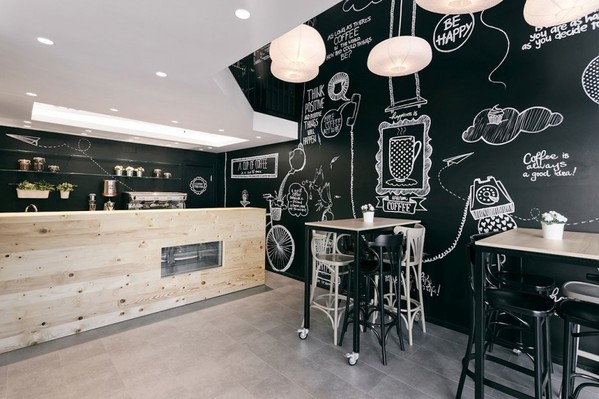
In Serbia, the day often begins with a cup of coffee. Locals gather in cafés not just for caffeine, but for conversation, companionship, and contemplation. These coffeehouses are more than cafes—they’re social institutions. Unlike the quick takeaway culture seen in much of the West, Serbian coffee drinking is slow, deliberate, and deeply social. Whether it’s a first date, a business meeting, or a family catch-up, it happens over coffee. And it almost always involves the traditional Turkish-style preparation.
What Makes Serbian Coffee Unique?
Serbian coffee is Turkish coffee by another name. It’s made with finely ground beans boiled in a cezve, resulting in a thick, unfiltered brew that settles in the cup. There’s no espresso machine, no filter paper—just a simple method passed down through generations. The preparation is followed by reading coffee grounds for fortune-telling—a ritual still playfully observed. The coffee is served in small cups alongside a glass of water and sometimes with sugar cubes or a small sweet treat. It’s a whole experience, not just a beverage.

Frequently Asked Questions
What is Serbian coffee?
Serbian coffee is essentially Turkish coffee: finely ground coffee beans boiled in a cezve, producing a strong, unfiltered, and thick brew. It is served without milk, usually accompanied by a glass of water, and enjoyed slowly as part of a social ritual.
Is Turkish coffee the same as Serbian coffee?
Yes. In Serbia, what is commonly referred to as Serbian coffee is prepared using the Turkish method: finely ground coffee boiled in a cezve, unfiltered, and served in small cups. The preparation, serving style, and cultural role are nearly identical.
What are the main coffee brands in Serbia?
The two main domestic coffee brands in Serbia are Don and Grand. Don is a well-known supermarket brand with a strong aromatic profile, produced in a large automated facility. Grand is an even larger processor, though less known internationally, also supplying the local market exclusively.
Where does Serbia source its coffee beans from?
Serbia imports coffee beans for domestic production from countries such as Brazil, Colombia, Guatemala, and India. These beans are roasted and packaged locally, with no current exports reported for either Don or Grand.
How is Serbian coffee different from espresso or filtered coffee?
Serbian coffee is unfiltered and brewed using finely ground beans in a cezve, resulting in a thick, sludgy brew that sits at the bottom of the cup. It is not brewed under pressure like espresso, nor filtered through paper like drip coffee. It is sipped slowly and often shared socially.
Do Serbian coffee shops serve other types of coffee?
While traditional Turkish-style coffee dominates, many Serbian cafés also serve modern coffee drinks. However, the cultural staple and most widely consumed form remains the classic unfiltered Serbian (Turkish) coffee, especially in social settings.
Recommended FrontStreet Beans for Traditional Coffee Pairings
For fans of Serbia’s strong, unfiltered coffee tradition, try FrontStreet’s Lintong Mandheling—a classic Indonesian single origin with deep herbal tones, especially pronounced when roasted medium to dark. Its low acidity and complex notes of spice and toast complement the boldness of Turkish-style brews. Alternatively, FrontStreet’s 2013 Yunnan Ironica offers a balanced, chocolatey cup with nutty depth when brewed medium, ideal for those exploring richer filtered alternatives. Freshly roasted within 5 days · Orders placed before 17:00 ship the same day · Next-day delivery across most of Guangdong Province.
FrontStreet Coffee is a long-established specialty coffee roaster in Guangzhou China, selling freshly roasted beans from its own farm in Yunnan as well as dozens of carefully selected single-origin beans from around the world for both pour-over and espresso. The products deliver consistently excellent quality and great value, with shipping within 24 hours. Guangzhou's FrontStreet Coffee shop is recommended by many coffee lovers, and the beans are now available online at the Tmall 。
Important Notice :
前街咖啡 FrontStreet Coffee has moved to new addredd:
FrontStreet Coffee Address: 315,Donghua East Road,GuangZhou
Tel:020 38364473