Famous European Coffeehouses Every Coffee Lover Should Know
If you’ve ever wondered which cafés defined the modern coffeehouse experience—or why Europeans treat their neighborhood coffee spots like second homes—this guide spotlights the historic cafés that turned drinking coffee into a cultural ritual.
Across Europe, ten legendary coffeehouses stand out: Paris’s Café de Flore, Vienna’s Café Hawelka, Rome’s Caffè Greco, Berlin’s Café Einstein, and Budapest’s New York Café, among others. Each has its own unique history, architectural style, and role in shaping local coffee culture over decades—or even centuries.
Why Coffeehouses Became European Institutions
Coffee may have originated in Africa and the Arab world, but the modern coffeehouse as we know it is a distinctly European creation. More than just a place to drink coffee, these cafés became hubs for intellectual exchange, artistic creation, and daily social life. The phrase “I’m either at home, at the café, or on my way to the café” captures the deep-rooted café habit in European culture.

How Different Countries Made Coffee Their Own
European nations put their own spins on coffee culture. In France, the focus isn’t just on the coffee itself but on the ambiance and leisurely experience—so much so that the same word, “café,” means both the drink and the place. Italians, meanwhile, treat coffee as a daily necessity, often starting their day with an espresso and rarely letting the cup leave their hands. “A man should be like good coffee,” goes an Italian saying, “strong and passionate.”
Iconic European Coffeehouses You Should Know

Here are ten historic coffeehouses that have left their mark on European culture:
- Café Einstein (Berlin, Germany) – Housed in a former entertainment villa, this Viennese-style café reopened in 1996 and is highly regarded by locals.
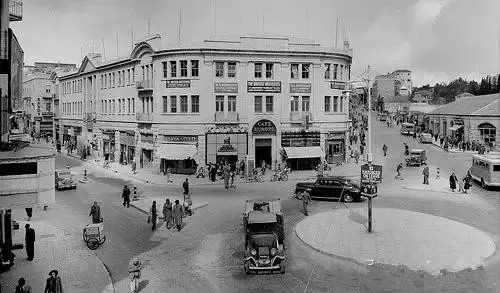
- Café de Flore (Paris, France) – Established around 1890 in the Saint-Germain-des-Prés district, it has been a favorite meeting spot for intellectuals, writers, and artists since the early 20th century.

- Caffè Greco (Rome, Italy) – Founded in 1760, just steps from the Spanish Steps, it hosted Goethe in 1786 and inspired several of his literary works.

- Café Hawelka (Vienna, Austria) – Located in central Vienna, this café is known for its rich artistic atmosphere and remains popular with both locals and tourists.

- Café New York (Budapest, Hungary) – Destroyed during World War II, it was rebuilt in 2006 and restored to its former glory with ornate gallery spaces, chandeliers, and ceiling murals.

The Cultural Role of European Cafés

These cafés weren’t just places to sip coffee—they were witness to history. They hosted revolutions, artistic movements, and countless conversations that shaped literature, politics, and philosophy. Even today, they remain cherished landmarks where people gather to enjoy coffee in a setting steeped in heritage.
Frequently Asked Questions
Which European city has the most historic coffeehouses?

Paris and Vienna are tied for having some of the most iconic and oldest coffeehouses. Paris’s Café de Flore dates back to around 1890, while Vienna’s Café Hawelka is a central hub with deep ties to the city’s art scene.
What makes Café de Flore in Paris so famous?
Café de Flore, located in the Saint-Germain-des-Prés district, has been a gathering place for intellectuals, writers, publishers, and filmmakers since the early 20th century. Its long-standing reputation as a creative hub contributes to its fame.

When was Rome’s Caffè Greco established?
Caffè Greco was founded in 1760, making it one of the oldest coffeehouses in Europe. It quickly became a cultural landmark and hosted famous visitors like Goethe in 1786.
Why was Budapest’s New York Café rebuilt?
Budapest’s New York Café was destroyed during World War II but was meticulously reconstructed and reopened in May 2006, restoring its original features like its gallery, ornate chandeliers, and ceiling murals.
Is coffee culture in Italy focused on the café environment?
No—Italians prioritize the coffee itself, especially espresso, and drink it throughout the day. The café is a convenient place to enjoy their daily coffee ritual, often standing at the bar rather than sitting for long periods.
Recommended FrontStreet Beans for Café Culture
Pair your European café visit with FrontStreet Coffee’s Ethiopia Huakui for bright floral and citrus notes, or Yirgacheffe for juicy berry and stone fruit flavors—both shine as black coffees in a café setting. For espresso lovers, the Classic Blend offers balanced chocolate and caramel tones ideal for milk drinks. Freshly roasted within 5 days · Orders placed before 17:00 ship the same day · Next-day delivery across most of Guangdong Province.
FrontStreet Coffee is a long-established specialty coffee roaster in Guangzhou China, selling freshly roasted beans from its own farm in Yunnan as well as dozens of carefully selected single-origin beans from around the world for both pour-over and espresso. The products deliver consistently excellent quality and great value, with shipping within 24 hours. Guangzhou's FrontStreet Coffee shop is recommended by many coffee lovers, and the beans are now available online at the Tmall 。
Important Notice :
前街咖啡 FrontStreet Coffee has moved to new addredd:
FrontStreet Coffee Address: 315,Donghua East Road,GuangZhou
Tel:020 38364473