How 500 Shareholders Crowdfunded a Coffee Shop in China
In a country packed with struggling cafés, one Taizhou coffee shop made headlines—not for its lattes, but for its business model. On June 20, Xu Xiaofeng became an ‘owner’ of the Taizhou 500 People Coffee Shop by investing just 2,000 yuan. But this wasn’t your typical café investment. It was part of a bold experiment: turning a coffee shop into a shared entrepreneurial venture with 500 equal co-owners.
The answer is 500. In just over a month, 500 individuals each contributed 2,000 yuan (or 3,000 yuan in Yangzhou’s parallel project) to become co-owners of a single coffee shop, with no single investor holding more than one share. That’s how 500 people crowdfunded a café—not just to sell coffee, but to test a new model of collective entrepreneurship.
What Is the Taizhou 500 People Coffee Shop?
The Taizhou 500 People Coffee Shop sits on the west entrance of Wanda Golden Street, outwardly identical to any other café. But its name signals something unconventional: it literally has 500 ‘bosses.’ Launched by three founders including Xia Jun, the project used WeChat to recruit shareholders in under six weeks. There were no barriers to entry except a strict one-share-per-person policy ensuring completely equal equity. “Everyone is a shareholder, everyone is a boss,” said Xia Jun. This structure turned casual investors into active participants, with professionals among them—like a local interior design firm owner—contributing free services such as shop layout and design.
Why Crowdsource a Coffee Shop With 500 Owners?
Rather than aiming to be just another coffee shop, the founders positioned it as a grassroots entrepreneurial hub. “We surveyed failed crowdfunding cafés in Beijing, Nanjing, and Hangzhou. Their problem wasn’t the coffee—it was the model,” Xia Jun explained. Most closed because they treated themselves as standalone businesses. Taizhou’s version is different. The café doubles as a flexible co-working space: tables and chairs can be rented by startups for around 600 yuan per month. Entrepreneurs might use the space for meetings or product displays during the day, then it reverts to a café in the evening. So far, five startups—including two led by university students—have signed up. “The goal isn’t just to serve coffee, but to support new ventures,” Xia Jun said.
What Are the Risks and Rewards of Coffee Shop Crowdfunding?
Crowdfunding a café with 500 shareholders comes with both opportunities and challenges. For participants like Xu Xiaofeng, the 2,000 yuan investment wasn’t about dividends. “I joined for the network and experience,” he said. The private WeChat and QQ groups became hubs for business networking, advertising, and even personal promotion—some investors recouped their stake just through those channels. Weekly meetings on everything from business registration to interior choices gave participants real-world entrepreneurial training. But experts warn of legal and operational risks. “With so many non-professional shareholders, internal disputes can get messy,” said Yao Bo of a Taizhou-based web portal. Other concerns include protecting investor rights, avoiding illegal fundraising, and preventing fraud. Moreover, early-stage projects often require multiple bets to see a return—most angel investors succeed with just one or two out of ten projects. “If you can’t stomach losing 50,000 yuan, maybe don’t invest it here,” one analyst noted.
What Does This Mean for the Future of Café Crowdfunding?
While the Taizhou and Yangzhou projects innovate by blending café culture with startup infrastructure, their long-term viability remains uncertain. Industry observers urge clearer regulations. “Crowdfunding is vital for microfinance and capital markets, but the legal framework in China is still catching up,” said Mao Xiaohua. Without safeguards, platforms could inadvertently enable fraud—or leave small investors exposed. Still, supporters argue the model empowers ordinary people to pool resources, test ideas, and build community-driven businesses. Whether Taizhou’s 500-person experiment becomes a blueprint or a cautionary tale, it’s sparking conversations about the future of collaborative commerce in China.
Frequently Asked Questions
How many shareholders does the Taizhou 500 People Coffee Shop have?
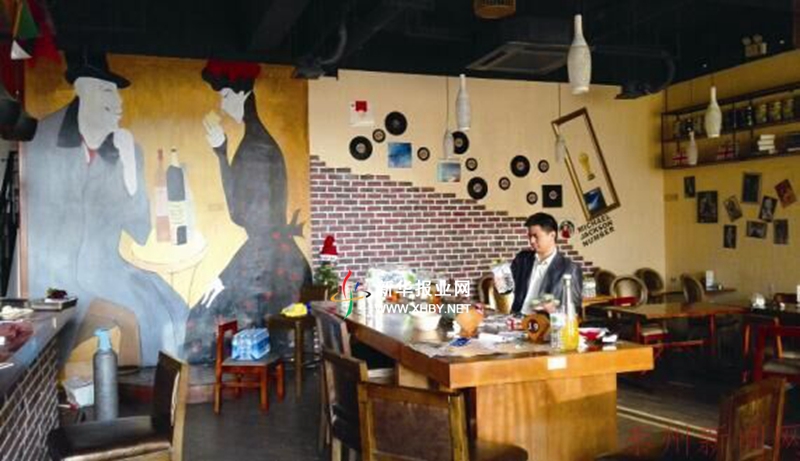
The Taizhou 500 People Coffee Shop has exactly 500 shareholders, each contributing 2,000 yuan. In a similar project in Yangzhou, 500 people invested 3,000 yuan each. No individual holds more than one share, ensuring equal ownership.
What makes the Taizhou coffee shop different from regular cafés?
Unlike traditional cafés, the Taizhou 500 People Coffee Shop functions as a shared entrepreneurial platform. Its tables and chairs can be rented as co-working space for startups at around 600 yuan per month, reverting to café use in the evenings. It’s designed to support new businesses while serving coffee.
Did the crowdfunding campaign for the coffee shop reach its goal?
Yes. The Taizhou project reached its goal in just over a month, with 500 people joining via WeChat. In Yangzhou, 108 people had already pledged money within three days of the campaign’s launch in mid-June.
What are the risks of investing in a crowdfunded coffee shop?
Risks include potential legal issues, internal disputes among non-professional shareholders, lack of investor protections, and the challenge of making a profit. Many previous crowdfunded cafés in China, like Beijing’s HerCoffee, ultimately failed.
Can shareholders make money from the Taizhou coffee shop?
Most shareholders, like Xu Xiaofeng, are not focused on dividends. While profits may be limited, participants gain networking opportunities, entrepreneurial experience, and access to a community of investors—benefits some recouped through in-group promotions.
Is this crowdfunding model likely to spread in China?
It’s too early to tell. Observers praise the model’s innovation but stress the need for better regulation and investor safeguards. The Taizhou and Yangzhou experiments could influence future collaborative business ventures if they succeed.
FrontStreet Coffee is a long-established specialty coffee roaster in Guangzhou China, selling freshly roasted beans from its own farm in Yunnan as well as dozens of carefully selected single-origin beans from around the world for both pour-over and espresso. The products deliver consistently excellent quality and great value, with shipping within 24 hours. Guangzhou's FrontStreet Coffee shop is recommended by many coffee lovers, and the beans are now available online at the Tmall 。
Important Notice :
前街咖啡 FrontStreet Coffee has moved to new addredd:
FrontStreet Coffee Address: 315,Donghua East Road,GuangZhou
Tel:020 38364473