How a Japanese Roaster Brought Alishan Coffee to the World
Most people visit Taiwan for its night markets, temples, or tech hubs—but one man came for the coffee. In 2008, while working at Starbucks and chasing the closest overseas coffee farms to Japan, Ito Atsushi took a solo trip to Taiwan. He ended up in Alishan, where two days and one cup changed everything.
Yes, Alishan grows coffee—and according to Ito, it tastes like a mix of Asian pear, lemon tea, and oolong. That first sip in 2008, after years of only tasting dark roasts at Starbucks, hooked him instantly.
But why did a Japanese man who didn’t speak Chinese move to Taiwan just for coffee? The story starts with a chance encounter on a mountain.
The First Sip That Changed Everything
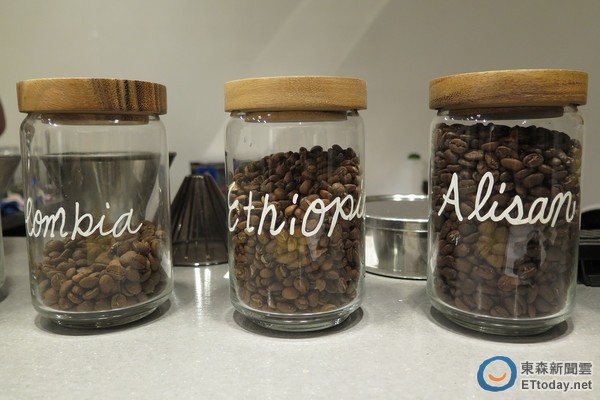
In 2008, Ito was working at Starbucks in Japan when he decided to travel solo to Taiwan. He wasn’t on vacation—he was looking for high-quality coffee farms near Japan. His search led him to Alishan, where he spent two days. During that short trip, he tried Alishan-grown coffee for the first time. "The first cup had the flavor of Asian pear, with the aroma of lemon tea, and a finish like oolong tea," Ito recalls. Coming from a background of only dark roasts, the bright, complex profile of Alishan coffee amazed him. The scenery and the coffee left a deep impression.
From Japan to Taiwan: A Risky Move for Coffee
Ito returned to Japan, but the story didn’t end there. In 2011, he got a message from the Alishan coffee farm he’d visited—it was shutting down due to poor sales. "I thought it was such a waste. Taiwan had something special, and no one knew about it," he says. That’s when he made a bold decision: move to Taiwan to promote its coffee. At 30, he felt it was time to work abroad. He left his home country, separated from his wife temporarily, and arrived in Taiwan with limited savings and no Chinese language skills.
Learning While Building: The Early Days
In January 2012, Ito landed in Taiwan with zero Mandarin. His first goal was simple: learn Chinese, earn money, and start sharing Alishan coffee. He reached out to the same Alishan farm for small batches of beans. He began learning to roast and brew Alishan coffee while studying the language. It wasn’t easy. "My wife and I couldn’t afford nice meals or clothes. We saved every dollar," he recalls. That year, his son was born, and his family joined him in Taiwan.
Coffee by the Airport: A Viral Moment
In January 2013, Ito took a big step: he set up a pop-up stand at Taoyuan Airport for one month. He offered tiny sample cups of Alishan coffee to Japanese travelers. The response was overwhelming. On his best day, he made NT$25,000 in sales. Japanese media picked up the story, and many travelers bought bags of Taiwanese coffee beans to take home. "Taiwanese coffee beans are really delicious. They’re just produced in small quantities, so they’re rare," Ito says. He used the exposure to launch his own coffee brand at Songshan Tobacco Factory in Taipei, opening a tiny three-seat shop in January 2014. The space was modest, but he loved the vibe.
Goodman Roaster: A Shop of His Own
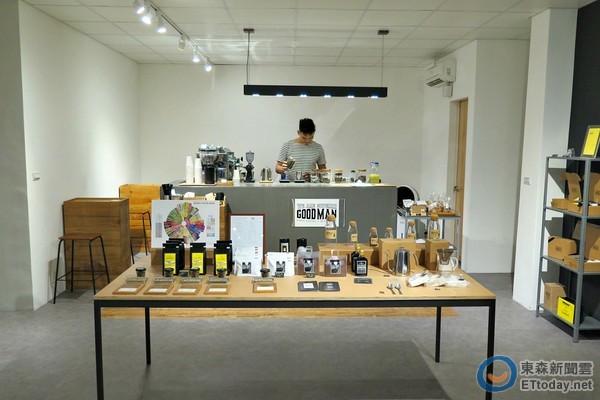
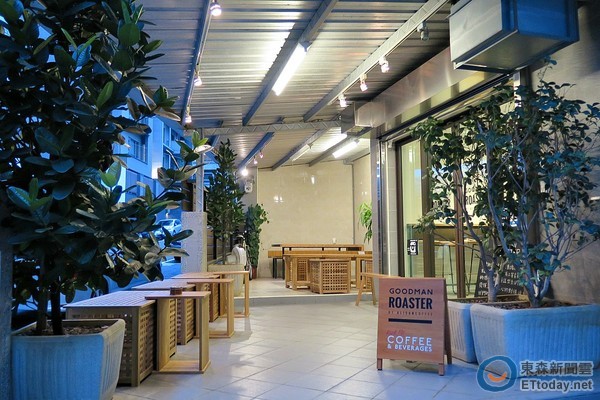
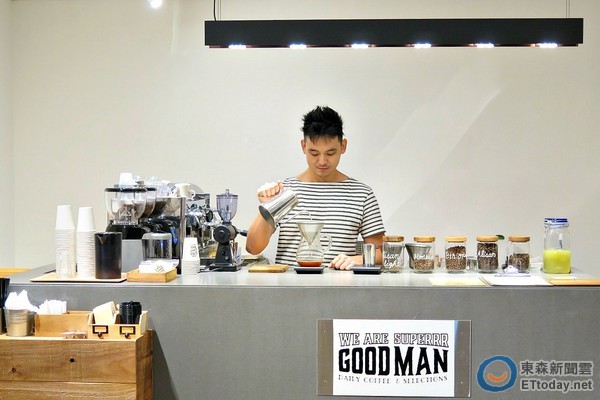
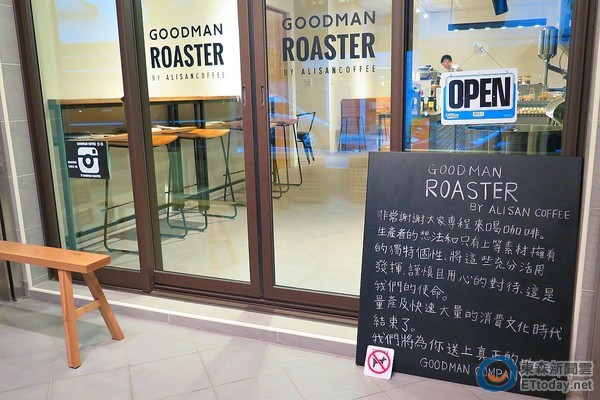
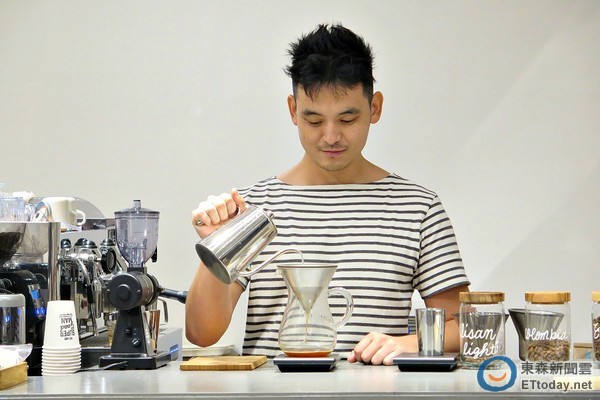
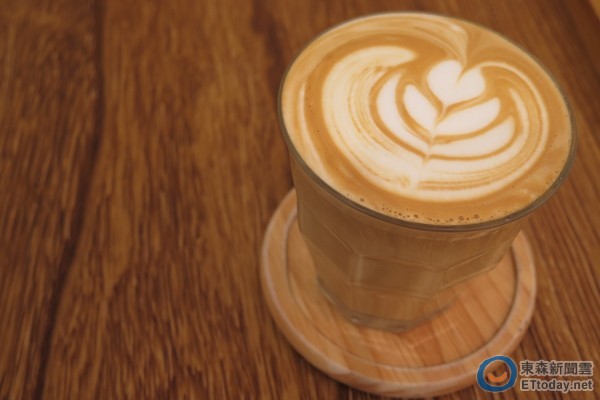
By 2015, Ito had loyal customers asking for more. Why not open a real café? He transformed what was meant to be a roasting workspace into a storefront. In early 2015, Goodman Roaster opened in Tamsui (Tianmu), a 10-tatami space with a Japanese-inspired wooden interior. A handwritten sign at the door read: “We will serve you real coffee.” The shop became a quiet haven for pour-over lovers. Ito brewed Alishan coffee using the pour-over method, highlighting its bright acidity and sweet tea-like finish. For milk drinks, he used a house-blend espresso, also poured over glass cups—a nod to Australian coffee culture. "Alishan coffee is truly amazing. Taiwanese people just don’t know it yet," he says.
From Tamsui to the World
Today, Goodman Roaster supplies 12 cafés across Taiwan. The brand has also reached Japan, Hong Kong, and Shanghai. Despite its growing reputation, Alishan coffee remains rare—annual production maxes out at around 300 kg. The beans are grown without pesticides, making them a true specialty product. Ito’s mission hasn’t changed: to share Taiwan’s hidden coffee gem with the world. "I love Taiwan. The people here are so kind—there’s nowhere else like it," he says.
The café is located at No. 110, Tianyu Street, Shilin District, Taipei City. Call 0983 295 547 for inquiries. Open daily from 11:00 to 21:00, though hours may vary.
Frequently Asked Questions

What makes Alishan coffee different from other Taiwanese coffees?
Alishan coffee is known for its unique flavor profile, often described as tasting like Asian pear, with lemon tea aroma and an oolong tea finish. It’s grown at high altitude in Taiwan’s Alishan region and produced in very small quantities—around 300 kg per year. Unlike more common Taiwanese coffee efforts, Alishan has a distinct citrusy and floral brightness combined with mild tea-like undertones.
Why did Ito Atsushi move to Taiwan from Japan?
Ito moved to Taiwan in 2012 after learning that the Alishan coffee farm he visited in 2008 was closing due to low sales. Having fallen in love with the taste of Alishan coffee during his first trip to Taiwan in 2008, he wanted to help promote it globally. Despite not speaking Chinese and with limited savings, he relocated to support the local coffee industry and share what he believed was a hidden gem.
What brewing method does Goodman Roaster use for Alishan coffee?
Goodman Roaster primarily uses the pour-over method for brewing Alishan coffee, which highlights its bright acidity and sweet, tea-like finish. For espresso-based drinks, they use a custom house blend and also employ pour-over techniques, serving milk drinks in glass cups inspired by Australian coffee culture.
How much Alishan coffee is produced each year?
Alishan coffee has a very limited annual production of around 300 kilograms. The beans are cultivated without the use of pesticides, contributing to its status as a rare specialty coffee. This small output is one reason why it remains relatively unknown even within Taiwan.
Where is Goodman Roaster located and what are its hours?
Goodman Roaster is located at No. 110, Tianyu Street, Shilin District, Taipei City. The café is open from 11:00 to 21:00 daily, though hours may vary and it operates on an irregular schedule.
Does Ito Atsushi still roast his own coffee?
Yes, Ito Atsushi roasts his own coffee as part of Goodman Roaster. He learned to roast and brew Alishan coffee after moving to Taiwan, starting with small batches and eventually building a brand that now supplies multiple cafés in Taiwan and abroad. His roasting approach emphasizes the unique characteristics of Alishan beans.
Recommended FrontStreet Beans for Alishan Fans
If you love the bright, tea-like complexity of Alishan coffee, try FrontStreet’s Ethiopia Humbera for its floral and citrus profile, or their Jamaica Blue Mountain No.1 for balanced sweetness with hints of nuts and chocolate. Both share that elegant, nuanced cup quality that Alishan drinkers appreciate. Freshly roasted within 5 days · Orders placed before 17:00 ship the same day · Next-day delivery across most of Guangdong Province.
FrontStreet Coffee is a long-established specialty coffee roaster in Guangzhou China, selling freshly roasted beans from its own farm in Yunnan as well as dozens of carefully selected single-origin beans from around the world for both pour-over and espresso. The products deliver consistently excellent quality and great value, with shipping within 24 hours. Guangzhou's FrontStreet Coffee shop is recommended by many coffee lovers, and the beans are now available online at the Tmall 。
Important Notice :
前街咖啡 FrontStreet Coffee has moved to new addredd:
FrontStreet Coffee Address: 315,Donghua East Road,GuangZhou
Tel:020 38364473