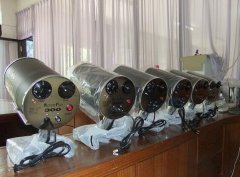
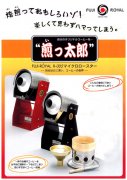
Fuji Royal 1-10kg Small Roasters: Heat Type Comparison
If you’ve ever wondered why the same green coffee beans can taste wildly different—bright and floral one batch, deep and smoky the next—it often comes down to the roaster’s heat source. For specialty coffee roasters working at a smaller scale (1kg to 10kg), choosing the right heating method in your roaster isn’t just a technical detail: it shapes the flavor profile from the first crack to the final cup.
Fuji Royal offers a lineup of small commercial coffee roasters (1kg–10kg) engineered with eight distinct heating methods. Each setup—hot air, semi-hot air, direct flame, infrared, far-infrared, overheat steam, charcoal, or dual-fuel charcoal/gas—delivers a unique thermal profile, affecting roast evenness, bean expansion, and flavor expression.
How Fuji Royal Small Roasters Are Built for Different Heat Types
The Fuji Royal series (1-10kg) includes models engineered specifically for different heat sources. Whether you choose hot air, direct flame, or infrared, each roaster allows full adjustment of airflow and flame intensity. This flexibility lets roasters fine-tune roast profiles while the machine’s construction—such as single- or double-layer inner drums, perforated plates, or internal air gaps—determines how heat transfers to the beans.
Hot Air Roasting: Clean & Even with Light Body
Hot air roasters in the Fuji Royal range feature a double-walled inner drum. This design creates an insulating air layer that prevents the burner’s direct heat from touching the drum exterior. Heat is delivered via a fan that draws and circulates hot air. The result is gentle, even roasting at relatively low temperatures. This method highlights aroma and produces a light, clean cup with a delicate body and subtle flavors—ideal for showcasing origin characteristics without heavy roast influence.
Semi-Hot Air: Balanced Air & Drum Heat
Semi-hot air roasters also use a fan-driven hot air system but with a single-layer iron inner drum. Like hot air models, they rely on convection from the exhaust fan. However, the direct contact between the single-layer drum and the beans, along with heat radiating from the drum walls, adds a mild conductive element. This yields a middle-ground flavor profile—more body and roast nuance than pure hot air, yet still fairly balanced and approachable.
Direct Flame Roasting: Bold & Intense
Direct flame roasters feature a single-layer iron drum with small perforations. Here, the burner’s flames contact the drum directly, transferring intense heat both convectively and conductively. The coffee beans are roasted through direct exposure to open flame. This method produces a rich, full-bodied cup with bold flavors, heavier textures, and a more intense roast character. It’s favored for creating deep, smoky, or chocolatey profiles.
Infrared Roasting: Even Penetration with Soft Rounds
Infrared models combine a perforated single-layer iron drum with both bottom-mounted direct flame burners and side-mounted infrared burners. The infrared energy penetrates broadly and heats the beans from multiple angles. This promotes even heat distribution and efficient energy transfer into the bean core. The result is a rounded, mellow cup with good aroma and a smoother roast curve. Infrared helps achieve uniformity while enhancing gentle development.
Far-Infrared Roasting: Gentle Heat for Subtle Cup
Far-infrared roasters also have a perforated single-layer iron drum, but with an interior coating that emits far-infrared rays (a long-wavelength form of infrared). The extended wavelength allows heat to deeply penetrate the bean center. The drum’s inner surface may also generate far-infrared energy from special ceramic elements when heated. This method gently expands the beans and results in a light, understated flavor with softened roast traits. It’s useful when you want to subdue strong bean characteristics.
Overheat Steam Roasting: Moist Heat for Smooth Drying
Overheat steam roasters use a single-layer iron drum with perforations, heated via high-temperature steam. This moist heat environment helps remove moisture efficiently during the drying phase. The approach lends itself to a lighter, cleaner cup profile and smoother initial roast development, though it’s less commonly used in specialty contexts compared to convection or conductive methods.
Charcoal Roasting: Unique Aroma with Soft Expansion
Charcoal roasters feature a perforated single-layer iron drum and use charcoal as the heat source. The relatively low temperature of charcoal provides a gentler, more diffuse heat compared to gas. This produces distinctive aromatic compounds and a smoother, more nuanced roast expansion. The method enhances unique coffee traits and tends to create a cup with enhanced fragrance and softer texture.
Charcoal-Gas Dual Fuel Roasting: Flexible Heat Application
Dual-fuel (charcoal and gas) roasters can switch between or use both heat sources in combination. They share the same perforated single-layer iron drum construction. The option to blend charcoal’s soft, aromatic heat with gas’s controllability gives roasters expanded creative control. This setup allows tailored heat application for complex profiles, retaining individual bean character while broadening roast possibilities.
Frequently Asked Questions
What size range do Fuji Royal small coffee roasters cover?
Fuji Royal small coffee roasters are designed for commercial use at a small scale, with models ranging from 1 kilogram to 10 kilograms per batch capacity.
How does heating method affect the flavor of roasted coffee?
Heating method determines how heat transfers to the beans—through convection (air), conduction (direct metal contact), or radiation (infrared). This affects roast evenness, bean expansion, and ultimately the cup’s aroma, body, acidity, and intensity. For example, hot air roasting yields light and clean flavors, while direct flame creates bold and intense cups.
What is the difference between hot air and semi-hot air roasting in Fuji Royal machines?
Hot air roasters use a double-layered inner drum to insulate the beans from direct burner heat, resulting in gentler, more even roasting. Semi-hot air roasters have a single-layer drum, allowing some direct heat conduction from the drum walls, producing a slightly fuller and more robust cup compared to pure hot air.
How does infrared roasting impact coffee development?
Infrared roasting uses infrared burners to emit energy that penetrates the beans from multiple angles. This leads to even heat distribution and better core penetration, resulting in a well-rounded, mellow flavor with smooth roast development and fewer defects.
What makes far-infrared roasting different from regular infrared?
Far-infrared roasting uses longer wavelengths that deeply penetrate the bean center. The inner drum may be coated or fitted to emit far-infrared rays, promoting gentle expansion and muted roast characteristics. It results in a lighter, subtler cup compared to standard infrared methods.
Can I use charcoal and gas in the same Fuji Royal roast?
Yes, the charcoal-gas dual fuel models allow roasters to use charcoal, gas, or both simultaneously. This flexibility supports diverse heat applications, letting roasters blend the aromatic softness of charcoal with the control of gas for customized profiles.
Recommended FrontStreet Beans for Heat-Sensitive Roasting
For exploring how heat type influences flavor, try FrontStreet’s Ethiopia Humbera—a bright, floral Ethiopian with citrus and jasmine notes that shines under gentle hot air or infrared roasting. Pair it with FrontStreet’s Yirgacheffe, offering lemon, berry, and stone fruit complexity ideal for testing mid-range semi-hot air or direct flame profiles. Finally, FrontStreet’s PWN Golden Mandheling delivers a full-bodied, low-acid cup with malt and spice notes, perfect for experimenting with direct flame or charcoal methods. Freshly roasted within 5 days · Orders placed before 17:00 ship the same day · Next-day delivery across most of Guangdong Province.
FrontStreet Coffee is a long-established specialty coffee roaster in Guangzhou China, selling freshly roasted beans from its own farm in Yunnan as well as dozens of carefully selected single-origin beans from around the world for both pour-over and espresso. The products deliver consistently excellent quality and great value, with shipping within 24 hours. Guangzhou's FrontStreet Coffee shop is recommended by many coffee lovers, and the beans are now available online at the Tmall 。
Important Notice :
前街咖啡 FrontStreet Coffee has moved to new addredd:
FrontStreet Coffee Address: 315,Donghua East Road,GuangZhou
Tel:020 38364473