Choosing a Home Coffee Grinder: 3 Types Explained
If you’ve ever brewed coffee at home and wondered why your pour-over tastes weak or your French press is bitter, the issue might not be the beans or the brew method—it could be your grinder. Inconsistent grind size and unwanted heat during grinding can ruin even the best-roasted coffee. Choosing the right grinder is one of the most impactful upgrades you can make for home brewing. But with so many options—manual hand grinders, small electric mills, and professional-grade machines—how do you decide which one is right for you?
The short answer: For most home coffee drinkers, a small electric burr grinder offers the best balance of grind consistency, ease of use, and value. It can handle enough coffee for a few cups at a time, minimizes heat buildup, and gives you control over grind size. Manual grinders work well for light use or travel, while pro-grade electric grinders are overkill unless you’re brewing multiple cups daily or need commercial output.
What Defines a Good Coffee Grinder?
A quality coffee grinder does two essential things well: it reduces heat during the grind, and it produces uniform particle sizes. Heat from friction can prematurely release coffee aromatics, reducing freshness and complexity in the cup. Uneven grinds lead to uneven extraction—some grounds over-extract, others under-extract—resulting in imbalanced flavour. Whether you're brewing espresso, pour-over, or French press, consistent grind size is critical to a balanced extraction.
Three Main Types of Home Coffee Grinders
Coffee grinders fall into three broad categories based on design and intended use:
1. Manual Hand-Crank Grinders (Recreational & Low-Volume Use)
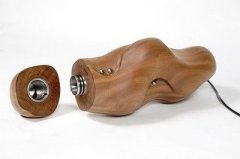
These classic, often decorative grinders are operated by turning a handle. They’re compact, portable, and ideal for casual users or those who enjoy the process. However, they generally produce coarser grinds and take longer to grind enough coffee for even a single cup. Speed is slow, and while they can deliver reasonable grind uniformity, they are not practical for daily use by most people. Great as a backup or conversation piece.
2. Home Electric Burr Grinders (Everyday Convenience)
The most common and practical choice for home users. These compact electric models use burrs to crush beans evenly and typically allow grind size adjustments. They can grind enough coffee for several cups in one go—around 6 servings—and are fast and user-friendly. Good models maintain a reasonable temperature and offer settings suitable for various brew methods like drip, pour-over, French press, and even espresso. They strike a strong balance between convenience, quality, and price.
3. Professional-Grade Electric Grinders (High-Volume & Commercial Use)
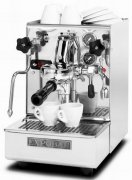
Built for cafés or heavy home use, these powerful machines can grind a pound of coffee or more in one session. They offer highly precise grind adjustments and rapid output, making them ideal for high-volume brewing. However, they’re large, expensive, and unnecessary for most households unless you’re brewing multiple pots daily or managing a business setup.
How Grinders Work: Burr vs. Blade (Not Mentioned but Implied)
Though not explicitly named in the source, grinders are categorized by burr type or cutting mechanism. The two primary grinding methods are:
- Burr Grinding: Uses abrasive burrs (usually steel or ceramic) to crush beans into uniform particles. This method ensures better grind consistency and less heat buildup. Both manual and electric home grinders typically use burrs.
- Blade or Milling Cutting: Uses spinning blades or (intersecting blades/grooves) to chop or crush beans. This can generate more friction heat and inconsistency. Some industrial or older home models may use this method, though it’s inferior for specialty brewing.
Additionally, some commercial or heavy-duty grinders use-like crushing mechanisms (resembling mortar-and-pestle action), designed for rapid, high-volume throughput.
Key Considerations for Home Grinding
To get the best results from your grinder, focus on these two factors:
- Minimizing Grinding Heat: Excessive heat causes coffee aromas to dissipate too early, negatively affecting flavour. Shorter grind times and quality burr construction help reduce this.
- Ensuring Uniform Grind Size: Inconsistent particle sizes cause uneven extraction. Your coffee may taste sour (from under-extracted fine bits) or bitter (from over-extracted coarse bits). Burr grinders are better at achieving uniformity than blade grinders.
Manual vs. Electric: What’s Best for You?
If you’re brewing just one or two cups and enjoy a hands-on approach, a manual grinder can work nicely—just grind gently to avoid excess friction heat. But for regular use, especially with multiple cups or different brew methods, an electric grinder is far more convenient. Match your grind size to your brewing device—for example, finer for espresso, medium for pour-over, and coarse for French press.
Also, always check your ground coffee after grinding. Uneven or clumped particles can signal a dull burr, poor-quality beans, or inconsistent roast levels. Quality matters at every stage.
Frequently Asked Questions
What’s the difference between a manual and an electric coffee grinder?
A manual grinder requires you to turn a handle to grind beans, making it slower and best for small batches or occasional use. An electric grinder automates the process, grinding beans faster and often with better consistency, especially for daily home brewing. Manual grinders are quieter, more portable, and often preferred for travel or minimalist setups.
Which type of grinder is best for home use?
For most people, a small electric burr grinder is the best choice. It provides consistent grind size, is easy to use, and can handle enough coffee for several cups in one session. It balances cost, convenience, and brewing quality better than manual or pro-grade machines for everyday home use.
Does grinding coffee generate heat, and why does it matter?
Yes, grinding coffee generates heat due to friction, especially with lower-quality or high-speed grinders. Excess heat can cause the coffee’s aromatic compounds to evaporate prematurely, leading to a loss of flavour and aroma in the brewed cup. Good grinders minimize this effect through design and material choices.
Are blade grinders bad for brewing specialty coffee?
Yes. Blade grinders chop beans unevenly, producing an inconsistent grind size. This leads to uneven extraction, resulting in sour or bitter flavours. Burr grinders are strongly recommended for specialty coffee brewing as they produce much more uniform particles.
How much coffee can home grinders handle at once?
Manual grinders are best for single cups or small amounts. Home electric grinders can typically grind enough for around six cups in one session. Professional electric grinders can handle a pound or more, but are overkill for most home brewers.
What grind size should I use for different brewing methods?
While not specified in detail here, general specialty coffee guidelines suggest: fine grind for espresso, medium-fine for pour-over, medium for drip coffee, and coarse for French press. Your grinder’s ability to adjust settings is key for dialling in the right brew.
Recommended FrontStreet Coffee for Home Brewing
For home grinders, try FrontStreet Coffee’s Ethiopia Humbera—a bright Ethiopian single origin with notes of jasmine, bergamot, and tropical fruits, ideal for pour-over. Pair it with FrontStreet’s Yirgacheffe for a floral, citrus-forward option, or their Brazil Queen Manor for a nutty, chocolatey espresso base. All three highlight the importance of grind consistency. Freshly roasted within 5 days · Orders placed before 17:00 ship the same day · Next-day delivery across most of Guangdong Province.
FrontStreet Coffee is a long-established specialty coffee roaster in Guangzhou China, selling freshly roasted beans from its own farm in Yunnan as well as dozens of carefully selected single-origin beans from around the world for both pour-over and espresso. The products deliver consistently excellent quality and great value, with shipping within 24 hours. Guangzhou's FrontStreet Coffee shop is recommended by many coffee lovers, and the beans are now available online at the Tmall 。
Important Notice :
前街咖啡 FrontStreet Coffee has moved to new addredd:
FrontStreet Coffee Address: 315,Donghua East Road,GuangZhou
Tel:020 38364473