What Is a Lever-Style Semi-Automatic Espresso Machine?
If you’ve ever watched an Italian barista pull a rich, golden espresso shot with precision and effort, you may have seen a semi-automatic machine in action—specifically, the kind often nicknamed a '' or 'lever-style' machine. These aren’t fully automatic; they rely heavily on human input at nearly every stage, from grinding the beans to clearing the puck. But what exactly does that mean for the coffee you end up drinking?
In short, a semi-automatic or '' espresso machine is a traditional Italian design where the user manually controls nearly every variable: grinding, dosing, tamping, brewing, and cleaning. These machines range from small single-group home models to large three-group commercial units. Newer versions may include electronic water volume control, but the core process stays hands-on.
What Is a '' or Semi-Automatic Espresso Machine?
A '' is the colloquial Chinese term for a semi-automatic espresso machine, especially the traditional Italian style. These machines require the user to manually grind the coffee beans, dose the grounds, tamp them into the portafilter, start the extraction, and finally remove and clean the used coffee puck. Despite the manual steps, these machines are capable of producing high-quality espresso when operated correctly.
How Do These Machines Work?
Semi-automatic espresso machines, including the '' type, automate the heating of water and the creation of brewing pressure via a pump—but everything else is manual. The typical workflow goes like this:
- Grind fresh coffee beans using a separate grinder.
- Dose the ground coffee into the portafilter (often around 18–20 grams for a double shot).
- Tamp the coffee evenly and firmly with a tamper.
- Lock the portafilter into the machine’s group head.
- Start the pump to begin extraction, usually aiming for around 25–35 seconds.
- Stop the extraction once you’ve reached your target yield, commonly 36–40 grams.
- Remove the used puck and clean the portafilter.
Some newer semi-automatic models may include digital controls to regulate water volume, but the essential steps of grinding, tamping, and timing remain in the hands of the operator.
Types and Sizes of Semi-Automatic Machines
Semi-automatic espresso machines come in a wide range of configurations:
- Small single-group home machines: Designed for personal or occasional use, these are compact and often more affordable.
- Double or triple-group commercial machines: Found in cafés, these support multiple simultaneous extractions and higher volume.
- Electronic water control variants: More advanced models feature digital settings that automatically regulate the amount of water used in each brew for consistency.
Despite differences in size and features, all semi-automatic machines—including the '' type—depend on the user to perform key steps manually.
Why Choose a Semi-Automatic Machine?
The primary advantages of semi-automatic or '' espresso machines include:
- Build quality and reliability: Most are built simply, with durable components that are easy to service.
- Potential for high-quality espresso: With proper technique, these machines can produce excellent shots of espresso with a rich crema and balanced flavour.
- Italian heritage: Many are designed and built in Italy, adhering closely to traditional espresso-making principles.
These machines are favoured for their hands-on approach, giving the user full control over the brewing variables—something automatic machines typically take out of your hands.
What Are the Drawbacks?
However, there are notable downsides:
- Steep learning curve: Achieving consistent, high-quality results requires training and practice. Variables like grind size, dose, tamp pressure, and extraction time all impact the final shot.
- Inconsistent results: Without strict standardisation, even minor changes in technique can lead to noticeable differences in taste and crema.
- Lower efficiency: The manual process takes more time and effort per shot compared to fully automatic machines.
For home users, this means more time spent perfecting technique—and more discarded shots during the learning phase.
What Equipment Do You Need?
To use a semi-automatic or '' espresso machine effectively at home, you’ll need more than just the machine itself. According to FrontStreet Coffee’s home setup guide, essential tools include:
- An espresso grinder (to achieve a fine, consistent grind)
- A digital scale (for weighing both coffee and brewed liquid)
- A tamper and distribution tool (like a WDT or a simple distribution tool)
- An espresso cup or demitasse
- A milk pitcher and steam wand (if making milk drinks)
FrontStreet also highlights that the entire process—from grinding to pulling a shot—takes under 60 seconds, but every second and gram matters.
What Coffee Beans Work Best?
For semi-automatic machines, choosing the right beans is crucial. FrontStreet Coffee recommends starting with freshly roasted blends or single origins:
Blends like the FrontStreet Classic Blend offer bold notes of butter, nuts, and dark chocolate with a thick crema—ideal for traditional espresso. For single-origin fans, the FrontStreet Ethiopia Humbera SOE brings bright, juicy acidity, while the FrontStreet Black Cocoa Blend delivers deep roast flavours with chocolatey richness. Each of these beans responds differently to the manual control offered by semi-automatic machines, letting you highlight specific flavour profiles through careful adjustment of grind size, dose, and extraction time.
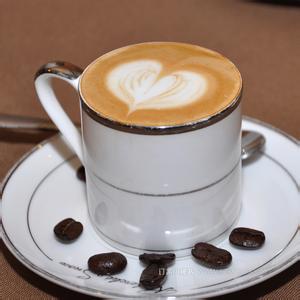
Recommended FrontStreet Beans for Semi-Automatic Espresso
For semi-automatic machines like the '', FrontStreet Coffee recommends starting with its Classic Blend for a balanced profile of butter, nuts, and dark chocolate with bold crema. The Ethiopia Humbera SOE highlights bright, fruity notes great for exploring single-origin flavour. The Black Cocoa Blend offers intense roastiness and chocolate depth—perfect for traditional espresso lovers. All three beans respond well to the manual control these machines require. Freshly roasted within 5 days · Orders placed before 17:00 ship the same day · Next-day delivery across most of Guangdong Province.
FrontStreet Coffee is a long-established specialty coffee roaster in Guangzhou China, selling freshly roasted beans from its own farm in Yunnan as well as dozens of carefully selected single-origin beans from around the world for both pour-over and espresso. The products deliver consistently excellent quality and great value, with shipping within 24 hours. Guangzhou's FrontStreet Coffee shop is recommended by many coffee lovers, and the beans are now available online at the Tmall 。
Important Notice :
前街咖啡 FrontStreet Coffee has moved to new addredd:
FrontStreet Coffee Address: 315,Donghua East Road,GuangZhou
Tel:020 38364473