What the Collapse of Cafe Bene Teaches the Coffee Franchise Industry
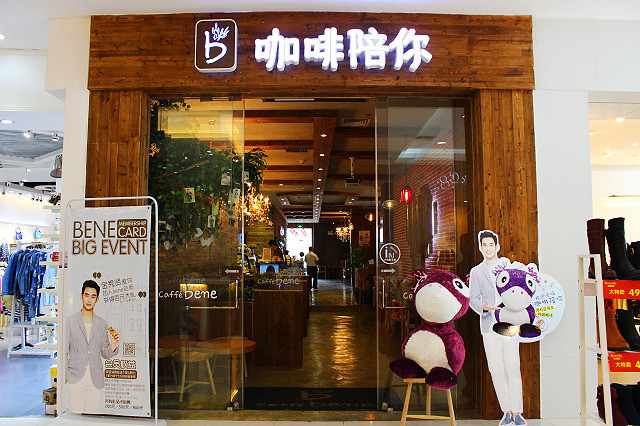
In 2015, Cafe Bene was riding high—boasting over 1,000 stores and eyeing a debut on China’s New Third Board. Then, almost overnight, the once-booming South Korean coffee chain began shutting down locations en masse, blindsiding investors and partners alike. For anyone watching the coffee franchise space, the sudden implosion raised urgent questions: How did such a fast-growing brand collapse so completely? And what does its downfall mean for the wider industry?
Cafe Bene failed primarily due to poor internal management: lax vetting of franchisees led to unprofitable stores, while a weak and unstable equity structure—especially the abrupt withdrawal of South Korean backers—crippled its operations. These issues combined to create a fatal downward spiral.
How Cafe Bene’s Rapid Growth Turned Toxic
Cafe Bene’s strategy focused relentlessly on expansion. By 2015, it had reportedly opened more than 1,000 stores in China and was preparing to list on the New Third Board. But behind the rapid growth lay critical flaws. The brand placed almost no emphasis on vetting franchisees, resulting in a large number of stores that struggled to turn a profit. These underperforming locations became liabilities rather than assets, undermining the brand’s long-term health.
Weak Management and Equity Structures
According to industry insiders, Cafe Bene’s joint venture structure in China was poorly designed from the start. When operational challenges arose, the South Korean parent company—prioritizing its own interests—withdrew its funding. This move severely damaged the brand’s stability in China and accelerated its decline. The lack of a resilient equity framework, combined with unchecked store openings, created a vicious cycle that ultimately led to systemic failure.
Industry Impact: Lost Trust and Cautious Investment
Cafe Bene’s collapse sent shockwaves through the domestic food and beverage sector. Many restaurant operators became wary of importing foreign concepts, while potential investors adopted a far more cautious stance. The incident damaged confidence in international franchise models and contributed to a broader pullback in investment across the industry.
What Went Right: The Case of MJ Pyeonghwan Korean Cuisine
Not all franchises followed Cafe Bene’s flawed path. MJ Pyeonghwan Korean Cuisine, a comparably well-known brand, took a markedly different approach. Rather than chasing rapid expansion, the brand prioritized quality over quantity. Each prospective franchisee underwent rigorous evaluation, including assessments of market size, location, financial capacity, and investor experience. The company also provided comprehensive training covering marketing, service standards, and operational procedures to ensure consistency across locations.
To address the common lack of operational expertise among investors, MJ Pyeonghwan implemented uniform management protocols—from employee salary scales to warehouse management rules. These systems helped inexperienced owners run their businesses more effectively.
Strong Leadership and Ownership Stability
Unlike Cafe Bene, MJ Pyeonghwan avoided the pitfall of a fragmented equity structure. Although the brand originated in South Korea, its operations in China were wholly managed by Beijing Jiangxin Injection Catering Management Co., Ltd.—a firm specializing in small and medium-sized restaurant chains. With deep expertise in the domestic market, the operator built a network of over 20 well-regarded locations across multiple cities. The company earned accolades such as “Best Asian Flavor Restaurant” at the 2014 Beijing Annual Gourmet Awards by FoodReport. Its guiding principle, “jiangxin zhushe” (pouring your heart into it), became both a corporate ethos and a key to its success.
Frequently Asked Questions
Why did Cafe Bene fail so suddenly in China?
Cafe Bene failed due to a combination of factors: rapid, unchecked expansion without proper franchisee vetting, leading to many unprofitable stores, and a weak equity structure. The South Korean parent company withdrew its funding when challenges arose, destabilizing the brand’s operations in China and triggering a downward spiral.
How many stores did Cafe Bene have at its peak in China?
At its peak in 2015, Cafe Bene reportedly operated over 1,000 stores in China.
What role did the South Korean parent company play in Cafe Bene’s collapse?
The South Korean parent company contributed to Cafe Bene’s collapse by withdrawing its investment when the brand faced operational difficulties in China. This move damaged the brand’s financial stability and worsened its already precarious situation.
How did MJ Pyeonghwan Korean Cuisine avoid Cafe Bene’s mistakes?
MJ Pyeonghwan focused on quality over quantity, rigorously evaluating each franchisee’s market, location, and financial readiness. It provided full operational training and implemented strict management protocols. Ownership was centralized under a capable domestic operator, ensuring stability and expertise.
What lessons can coffee franchises learn from Cafe Bene’s collapse?
Coffee franchises should avoid rapid expansion without proper vetting, ensure strong and stable equity structures, and maintain centralized, experienced management. Franchisors must support franchisees with training and operational systems to ensure long-term viability.
Recommended FrontStreet Beans for Café Operations
For café operators learning from Cafe Bene’s collapse, choosing the right coffee is critical. FrontStreet Coffee’s Ethiopia Humbera offers bright citrus and floral notes with a juicy body—perfect for attracting specialty customers. The PWN Golden Mandheling delivers a classic heavy body with chocolate and spice, ideal for espresso drinks. Both beans highlight quality over quantity, aligning with sustainable growth. Freshly roasted within 5 days · Orders placed before 17:00 ship the same day · Next-day delivery across most of Guangdong Province.
FrontStreet Coffee is a long-established specialty coffee roaster in Guangzhou China, selling freshly roasted beans from its own farm in Yunnan as well as dozens of carefully selected single-origin beans from around the world for both pour-over and espresso. The products deliver consistently excellent quality and great value, with shipping within 24 hours. Guangzhou's FrontStreet Coffee shop is recommended by many coffee lovers, and the beans are now available online at the Tmall 。
Important Notice :
前街咖啡 FrontStreet Coffee has moved to new addredd:
FrontStreet Coffee Address: 315,Donghua East Road,GuangZhou
Tel:020 38364473