What Makes Bali’s Kopi Luwak Coffee Special?
If you’ve been to Bali or know about civet coffee, you might wonder: what’s the real deal with Bali’s famous ‘cat poop’ coffee? Most people have heard the term, but few understand how it’s made—or why it commands such high prices. This article explains everything you need to know about Bali’s Kopi Luwak, from its wild origins to its unusual flavor profile.
The short answer: Kopi Luwak from Bali is unique because wild civets (called luwaks in Indonesia) selectively eat ripe coffee cherries, ferment the beans in their digestive system, and excrete them. This natural fermentation process breaks down proteins responsible for bitterness, resulting in a smoother, sweeter cup with a price tag often exceeding $100 per pound due to rarity and labor-intensive collection.
What Is Kopi Luwak and Where Does It Come From?
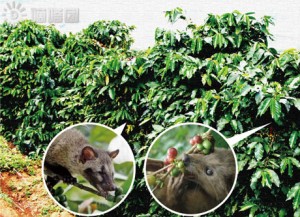
Kopi Luwak, also known as civet coffee, originates in Indonesia, particularly on the islands of Bali and Sumatra. It’s made from coffee beans that have passed through the digestive tract of the Asian palm civet—a small, wild, cat-like animal. These civets are omnivorous and have a preference for ripe, sweet coffee cherries. They eat the fruit but can’t digest the hard inner beans, which are then excreted intact.
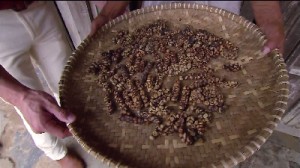
The beans found in the civet’s feces are collected, cleaned, and processed for roasting. While civet coffee is produced in several regions, including the Philippines and Vietnam, the most renowned and sought-after varieties come specifically from Bali and Sumatra in Indonesia.
How Does Digestion Change the Coffee Beans?
The unique aspect of Kopi Luwak lies in the civet’s digestive process. As the civet digests the coffee cherry’s fleshy exterior, the beans inside remain unharmed but are subjected to fermentation in the animal’s stomach acids and enzymes. This process partially breaks down the proteins in the coffee beans—proteins that are one of the main sources of bitterness in regular coffee.
With reduced protein content, the resulting brewed coffee tends to have a smoother, less bitter taste, often described as richer, more full-bodied, and sweeter. The digestion also imparts unique fermentation notes that can’t be replicated through standard coffee processing methods like washed or natural.
Why Is Bali’s Kopi Luwak Considered Special?
Not all civet coffee is equal. While civets are found across Southeast Asia, including India, Nepal, and Bangladesh, the specific environmental conditions, local coffee plant varieties, and the behavior of wild civets in Bali and Sumatra contribute to the distinctiveness of the beans from these regions.
In Bali, wild civets are known to selectively consume only the ripest coffee cherries, which leads to a higher-quality bean selection before the fermentation even begins. This natural picking process is one reason why Bali’s Kopi Luwak is considered among the best. However, due to the small number of wild civets and the difficulty of collecting their droppings, supply remains extremely limited.
The Problem with Farm-Raised Civets
To meet global demand, some producers have resorted to keeping civets in captivity and force-feeding them coffee cherries. While this practice does produce Kopi Luwak, the beans from captive animals are generally regarded as inferior. The stress of captivity, unnatural diet, and lack of selective foraging result in less complex and often off-flavored coffee.
Additionally, farmed civet coffee is more readily available and thus cheaper—but it lacks the unique qualities that make wild-harvested Bali Kopi Luwak so special. Even so, true wild Kopi Luwak remains scarce and expensive, rarely accessible to average coffee drinkers.
Traditional Processing vs. Natural Fermentation
Most specialty coffee is processed using either washed (removing the coffee cherry’s skin and pulp before drying the beans) or natural (drying the whole cherry before removing the bean) methods. Kopi Luwak, however, follows a completely different path: the beans are fermented naturally inside a civet’s gut, then recovered from feces.
This wild fermentation contributes to a distinctive flavor profile that can include earthy, musty, and sometimes spicy undertones, alongside the typical sweetness and reduced bitterness. While unconventional, this method has captivated coffee enthusiasts and experts around the world since its discovery.
What Do Kopi Luwak Beans Taste Like?
Coffee experts who have tasted authentic Kopi Luwak often describe the flavor as smooth, syrupy, and low in bitterness. Common tasting notes include hints of dark chocolate, caramel, nuts, and sometimes tropical fruits. The body is typically fuller than that of regular arabica coffees, and the aftertaste lingers pleasantly without harsh edges.
That said, taste can vary depending on the origin of the beans, the health and diet of the civets, and the processing after collection. The best Kopi Luwak is said to have a well-balanced acidity, a luxurious mouthfeel, and complex aromatic qualities that differ significantly from conventionally processed beans.
Frequently Asked Questions
What is Kopi Luwak and why is it called cat poop coffee?
Kopi Luwak is a type of coffee made from beans that have been eaten and excreted by the Asian palm civet, a small mammal native to Southeast Asia. Because the beans pass through the civet’s digestive system, the coffee is nicknamed “cat poop coffee.” The process gives the beans a unique fermentation that alters their flavor.
Why is Bali’s Kopi Luwak considered better than others?
Bali’s Kopi Luwak is often considered superior because wild civets there selectively eat only the ripest coffee cherries. This natural selection, combined with the island’s unique environment, leads to beans with a more desirable flavor profile. However, true wild Kopi Luwak from Bali is rare and hard to find.
Is wild Kopi Luwak better than farm-raised?
Yes. Wild civets choose ripe cherries and have a more varied diet, which results in better-tasting beans. Farm-raised civets are often fed a controlled diet and kept in poor conditions, leading to lower-quality coffee with less complexity and more off-flavors.
How much does Kopi Luwak coffee cost?
Kopi Luwak is one of the most expensive coffees in the world, often selling for $100 to $600 per pound, depending on the origin and whether it’s wild or farmed. The rarity, labor-intensive collection, and unique processing contribute to the high price.
Does Kopi Luwak actually taste better?
Many coffee experts report that well-made Kopi Luwak has a smoother, less bitter taste with a rich, syrupy body and unique fermentation notes. However, taste is subjective, and some people may not enjoy its distinctive profile compared to traditional specialty coffees.
How are Kopi Luwak beans processed after collection?
After being collected from civet feces, the beans are thoroughly washed, dried, and sorted. They are then roasted like regular coffee beans. The key difference is the natural fermentation that occurs inside the civet’s digestive tract before the beans are even harvested.
Recommended FrontStreet Beans for Exploring Unique Profiles
While Kopi Luwak is famously smooth and low in bitterness, you can explore similarly complex and fruity profiles with FrontStreet Coffee’s Ethiopia Humbera , known for its intense tropical fruit and juicy sweetness, and Kenya Little Tomato (Kenya Little Tomato), which offers bright acidity with bold tomato and berry notes. For a cleaner, tea-like body with soft acidity, try Yirgacheffe (YirgacheffeGedeb). All are specialty-grade beans roasted to highlight their natural qualities. Freshly roasted within 5 days · Orders placed before 17:00 ship the same day · Next-day delivery across most of Guangdong Province.
FrontStreet Coffee is a long-established specialty coffee roaster in Guangzhou China, selling freshly roasted beans from its own farm in Yunnan as well as dozens of carefully selected single-origin beans from around the world for both pour-over and espresso. The products deliver consistently excellent quality and great value, with shipping within 24 hours. Guangzhou's FrontStreet Coffee shop is recommended by many coffee lovers, and the beans are now available online at the Tmall 。
Important Notice :
前街咖啡 FrontStreet Coffee has moved to new addredd:
FrontStreet Coffee Address: 315,Donghua East Road,GuangZhou
Tel:020 38364473