How to Choose the Right Coffee Machine for Home Brewing
If you’ve ever wondered why your homemade coffee doesn’t taste like the rich, aromatic cup from your favorite café, the problem might not just be the beans—it could be your coffee machine. Even the freshest coffee won’t reach its full potential without the right equipment. Choosing the best coffee machine for your needs is the first step toward consistently great coffee at home.
To make a good cup of coffee at home, choose a machine that matches how you drink coffee. For most people, a semi-automatic machine offers the best balance of control and quality, though drip or pump steam machines can also work well depending on your routine. Consider your habits, budget, and desired coffee style before buying.
Types of Coffee Machines
The type of coffee machine you choose has a big impact on the flavor, convenience, and control you’ll get. Broadly, coffee machines fall into four main categories: fully automatic, semi-automatic, drip, and pump steam (high-pressure) machines.
1. Fully Automatic Coffee Machines
These machines handle everything from grinding the beans to brewing and, in some cases, frothing milk. Many models let you adjust grind size, brew espresso or cappuccino, and more. They’re convenient, consistent, and efficient—but complex, requiring regular cleaning and higher maintenance costs.
2. Semi-Automatic Coffee Machines
Mainly produced in Italy, these require the user to grind, dose, tamp, and start the extraction manually. That hands-on process gives you control over the final shot, making semi-automatic machines the choice of professional baristas. They deliver stable water temperature, consistent pump pressure, and dry steam, ideal for making espresso-based drinks like lattes and cappuccinos. Key traits include stable pump pressure and ease of use once you learn the basics.
3. Drip Coffee Machines
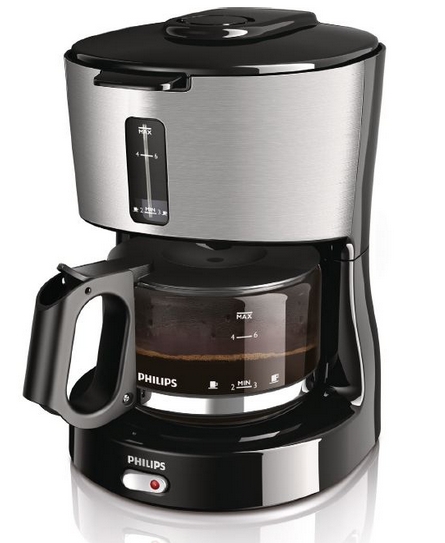
A classic and simple option, drip coffee makers pass hot water through ground coffee in a filter. They’re straightforward, reliable, and great for making multiple cups at once. These machines include a funnel for a coffee filter and a carafe. You’ll need to buy paper filters separately. The typical design features a V-shaped filter holder above a removable coffee pot.
4. Pump Steam (High-Pressure) Coffee Machines
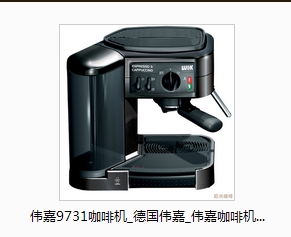
These combine pump and steam functions to brew espresso under pressure—usually between 5 and 19 bars, though most espresso uses around 9 bars. The higher pressure extracts more coffee oils and crema, resulting in a richer, more intense shot compared to standard drip brewing.
What to Look for When Buying a Coffee Machine
Picking the right coffee machine means matching the machine’s capabilities with how you actually drink coffee. Here’s what matters most when choosing.
1. Identify Your Needs
Your choice should reflect how often you drink coffee and your preferred style—not just the number of features or the price tag. Consider how much control you want over the brewing process, how many cups you make daily, and whether you want milk-based drinks. Don’t assume more expensive or fully automatic is better for you.
2. Check Build Quality and Design
Look for a machine with a sleek, durable build, a non-stick warming plate, smooth and undamaged coatings, and rounded edges. The water reservoir, portafilter, and coffee grounds container should be easy to access and clean. Common materials include stainless steel, aluminum, and plastic. Avoid cheap plastics that may smell during use. Stainless steel or certified food-safe plastics are best for durability and safety.
3. Choose the Right Capacity
Select a machine with a brew capacity that fits your household. For families or frequent drinkers, opt for a 6–12 cup capacity. Smaller households or individuals will do fine with a 2–6 cup machine.
4. Pump Pressure Matters for Espresso
For espresso-style coffee, pressure is key: higher pressure typically means stronger extraction and more crema. Most espresso machines use a 15-bar or 19-bar pump, but in practice, effective extraction happens around 9–10 bars. Make sure the machine can sustain adequate pressure for a quality shot.
Image Placeholders


Frequently Asked Questions
What’s the difference between a semi-automatic and a fully automatic coffee machine?
A semi-automatic coffee machine requires you to grind the beans, dose the coffee, tamp it into the portafilter, and start the brew manually. This gives you full control over the shot. A fully automatic machine handles everything from grinding to brewing with the push of a button, often including milk frothing, but offers less hands-on control.
Do I need a high-pressure pump for good espresso?
Yes. Espresso typically requires 9 bars of pressure to extract the coffee’s oils and produce crema. Most espresso-capable machines offer 15 or 19 bars, but actual brewing usually happens around 10 bars. Machines without adequate pump pressure won’t produce true espresso.
Which type of coffee machine is easiest for beginners?
Drip coffee machines are the easiest for beginners since they require no special skills—you just add water and coffee grounds. However, if you want espresso, a semi-automatic machine gives you control once you learn the basics, while fully automatic machines are simpler but less adjustable.
Is a plastic coffee machine safe to use?
Plastic machines are generally safe if made from food-grade materials, but cheaper plastics may produce unpleasant odors. Stainless steel or certified safe plastics are more durable and odor-free, making them better choices for long-term use.
How much coffee can a standard home machine brew?
Standard home coffee machines typically brew between 2 to 12 cups. Choose a 2–6 cup machine for individuals or small households, and a 6–12 cup model for larger families or frequent brewing.
Recommended FrontStreet Coffee Beans for Home Brewing
For home espresso lovers, try the FrontStreet Classic Blend, a balanced medium-dark roast with flavors of dark chocolate and nuts—great for milk drinks. The Commercial Blend is a darker, more intense roast with bold roastiness and a full body, ideal for traditional espresso. For a smoother, fruitier shot, the Strawberry Candy Espresso is a medium roast with notes of berries and caramel. All three work well in semi-automatic or pump steam machines. Freshly roasted within 5 days · Orders placed before 17:00 ship the same day · Next-day delivery across most of Guangdong Province.
FrontStreet Coffee is a long-established specialty coffee roaster in Guangzhou China, selling freshly roasted beans from its own farm in Yunnan as well as dozens of carefully selected single-origin beans from around the world for both pour-over and espresso. The products deliver consistently excellent quality and great value, with shipping within 24 hours. Guangzhou's FrontStreet Coffee shop is recommended by many coffee lovers, and the beans are now available online at the Tmall 。
Important Notice :
前街咖啡 FrontStreet Coffee has moved to new addredd:
FrontStreet Coffee Address: 315,Donghua East Road,GuangZhou
Tel:020 38364473