Espresso Cup Size: What Size and Shape Should You Use?
If you’ve ever watched a barista pull a perfect shot and thought, “That’s just about the cup,” you’re not alone. Many coffee enthusiasts obsess over grind size, dose, and extraction time—but the cup itself plays a surprisingly critical role in how espresso looks, tastes, and feels. The right espresso cup doesn’t just hold the shot; it showcases it, preserves heat, and supports the crema. So what makes a great espresso cup? Let’s break it down.
The short answer: Use a small (under 50ml), thick-walled ceramic or porcelain espresso cup, ideally preheated to 35–40°C. Avoid larger cups, thin walls, or materials that dissipate heat too quickly. These factors help concentrate flavor, maintain temperature, and preserve the iconic 'tiger skin' crema.
What Defines an Espresso Cup?
Andrea Illy, in his book Espresso Coffee: The Chemistry of Quality, dedicates an entire chapter to defining the ideal espresso cup. According to Illy, the optimal espresso cup is "a small, thick-walled porcelain cup with a capacity not exceeding 50 milliliters." This small size ensures a more concentrated extraction, while the thicker walls and proper material help maintain temperature and showcase the crema. Illy also notes that the cup should allow both the liquid and the crema—the golden-brown foam on top—to remain visually distinct and appealing.
Why Cup Size and Shape Matter
An espresso shot is a small, intense beverage—typically around 25–30ml in volume. Using a cup larger than 50ml dilutes the visual and sensory impact, and worse, lets the shot cool too quickly. A smaller cup concentrates the aromas, preserves the temperature, and allows the crema to form properly. The shape of the cup also affects flow and perception; a slightly tapered design helps support the crema and guides the aroma upward.
Cup Material, Thickness, and Preheating
Illy emphasizes the importance of the cup’s material and thickness. Thick-walled ceramics or porcelains are preferred because they retain heat effectively without affecting flavor. Thin cups lose heat rapidly, cooling the espresso too soon and negatively impacting mouthfeel and crema stability. The ideal serving temperature range is around 35–40°C.
Many technical baristas go further and preheat their cups using an external heat source—never directly from the espresso machine. Why? Drawing hot water from the machine to warm the cup lowers the boiler temperature, which can lead to uneven extraction. Preheating the cup to the correct range ensures the espresso remains at the optimal temperature from the moment it hits the cup.
The Role of Crema and Visual Impact
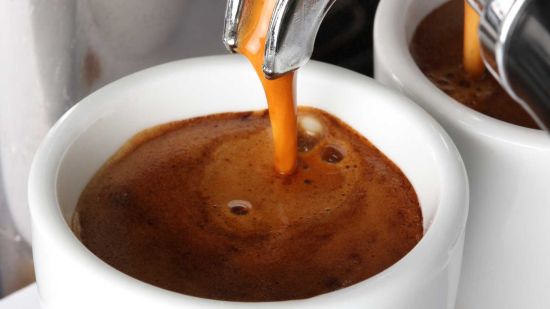
The 'tiger skin' or 'tiger striping' effect—the marbled crema that forms on a well-pulled shot—is one of espresso’s most iconic visual features. A good cup showcases this crema, allowing its texture and color to shine. The right cup enhances not just the look but also the aroma release, making the drinking experience more satisfying. Without the right cup, even a technically perfect shot can fall flat in presentation and sensory appeal.
Common Mistakes to Avoid
- Using cups larger than 50ml: Leads to rapid cooling and less concentrated flavors.
- Choosing thin or poorly insulated materials: Causes the espresso to lose heat too fast.
- Preheating with hot water from the espresso machine: Lowers boiler temperature and affects shot quality.
- Serving in cold cups: Results in a quick temperature drop and muted aromatics.
Frequently Asked Questions
What is the ideal espresso cup size?
The ideal espresso cup holds 50ml or less. This small size helps concentrate the espresso’s flavors, preserves heat, and supports the crema’s structure and appearance.
Does espresso cup material affect taste or temperature?
Yes. Thick-walled ceramic or porcelain cups retain heat better than thin or metal cups, keeping the espresso warmer for longer and improving crema stability. Avoid glass or metal unless designed specifically for espresso.
Should you preheat espresso cups? How?
Yes, you should preheat espresso cups to 35–40°C. The best practice is to use an external heat source like a cup warmer rather than pouring hot water from the espresso machine, which can lower the machine’s boiler temperature and affect extraction consistency.
Why is crema important in espresso presentation?
Crema is the golden-brown foam on top of a well-brewed espresso and contributes to aroma, texture, and visual appeal. The right cup enhances the crema’s 'tiger skin' effect, making the shot more attractive and aromatic.
Can you use larger cups for espresso?
Technically you can, but larger cups dilute the espresso’s intensity, cause faster cooling, and make the crema less defined. They’re better suited for drinks like Americanos or long blacks, not pure espresso.
Recommended FrontStreet Coffee Beans for Espresso
For espresso lovers, FrontStreet Coffee offers several excellent options. Their Classic Blend delivers balanced notes of dark chocolate, nuts, and a hint of caramel—ideal for traditional espresso. The Specialty Blend highlights Colombian beans for bright acidity with nutty and chocolatey layers. For something richer, the Black Cocoa Blend features Brazilian beans with deep cocoa and roasted almond notes. All three roast profiles are designed to produce strong crema and complex flavours in the cup. Freshly roasted within 5 days · Orders placed before 17:00 ship the same day · Next-day delivery across most of Guangdong Province.
FrontStreet Coffee is a long-established specialty coffee roaster in Guangzhou China, selling freshly roasted beans from its own farm in Yunnan as well as dozens of carefully selected single-origin beans from around the world for both pour-over and espresso. The products deliver consistently excellent quality and great value, with shipping within 24 hours. Guangzhou's FrontStreet Coffee shop is recommended by many coffee lovers, and the beans are now available online at the Tmall 。
Important Notice :
前街咖啡 FrontStreet Coffee has moved to new addredd:
FrontStreet Coffee Address: 315,Donghua East Road,GuangZhou
Tel:020 38364473