How to Choose a Coffee Grinder for Home Brewing
Ever found yourself staring at a bag of freshly roasted coffee beans, wondering whether to grind them now or later? Maybe you’ve asked your local coffee shop to grind them for you—but did you know that pre-ground coffee loses its aroma fast? The truth is, grinding coffee just before brewing makes a huge difference in flavor. But to do that at home, you’ll need the right grinder. So how do you choose one?
To get started, decide how much you want to spend, what brewing methods you use, and how often you brew. From there, you can choose between a basic hand grinder for under $200 or invest in a high-performance electric model depending on your needs.
Why Freshly Ground Coffee Matters
Freshness is the most important factor in coffee flavor. Once coffee is ground, its aromatic compounds begin to evaporate rapidly—often within minutes. That’s why coffee experts emphasize grinding just before brewing. While pre-ground coffee may smell great when you open the bag, the nuanced flavors dissipate quickly with each use. Grinding at home ensures you capture the full potential of your beans.
Types of Coffee Grinders and How to Choose
Coffee grinders fall into two main categories: hand grinders and electric grinders. Your choice depends on three factors: your budget, the brewing devices you use, and how much coffee you prepare.
Hand Grinders: Budget-Friendly and Portable
If you’re just getting into home brewing and want to keep costs low, a manual hand grinder is a solid starting point. For around $160–180, models like the Hario Skerton or similar small Hario grinders offer consistent grind quality and durability. Avoid extremely cheap “toy” grinders under $50—they produce uneven grounds and can break easily with regular use.
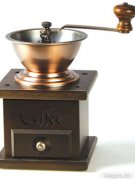
Some hand grinders feature classic wooden designs, but looks can be deceiving—many are more decorative than functional. Kalita also makes stylish hand grinders with decent burrs, though they tend to cost more and are often counterfeited, so buy carefully. A good hand grinder in the $100–200 range will work well for most filter brewing methods.
Hand grinders are ideal for brew methods like pour-over, French press, AeroPress, siphon, and drip coffee, as they handle medium to coarse grind sizes well. However, they struggle to achieve the fine grind needed for espresso or Moka pots, where an electric grinder is usually required.
Also, grinding by hand takes time and effort—especially for larger batches. If you brew coffee frequently or in larger quantities, an electric grinder will save you effort and improve consistency.
Electric Grinders: Speed and Precision for Daily Use
Electric grinders fall into two broad types: those built for espresso and Moka pots, and more versatile models for various brew methods.
For espresso enthusiasts, the Mazzer Mini and Rancilio Rocky are two popular high-end options. The Mazzer Mini is widely regarded as a step above, though both are considered premium machines for home use. Alternatively, the Solis 166 offers good value at around $1,200. It provides decent grind consistency across a wider range of settings, suitable not just for espresso but also for French press, pour-over, and other brew methods.
If you’re not strictly brewing espresso and want a more flexible, affordable electric option, Taiwanese brands like Feima and Feiying offer great value. Their compact “small” models cost around $700, while larger versions are priced approximately $1,300–$1,500. These are suitable for most home brewing setups and provide better grind uniformity than many entry-level grinders.
Many mass-market brands like Philips and De’Longhi also sell coffee grinders, as do various Chinese manufacturers. Prices range from $50 to a few hundred dollars, but quality varies significantly. When shopping, focus on these key factors:
- Build Quality: Avoid flimsy plastic housings. A sturdy, durable grinder will last longer and perform better.
- Grind Adjustment Range: The more settings your grinder offers, the more control you have over grind size for different brewing methods.
- Motor Sound: A quality grinder operates with a deep, steady hum. Loud or screechy noises suggest poor motor quality and shorter lifespan.
- Grind Uniformity: Test the grinder at a medium setting. Good grinders produce consistent particle sizes without excessive fines or boulders.
- Heat Generation: Grind at least 200g of coffee and feel the output. Excessive heat from the burrs can degrade flavor by cooking off aromatics.
- Design & Aesthetics: Since grinders often sit on your kitchen counter, choose one that complements your space if design matters to you.
What Really Affects Grinder Performance
Beyond price and brand, what really determines a grinder’s performance? Here’s what to focus on:
- Grind Size Consistency: Even particle distribution is crucial for balanced extraction. Inconsistent grinds lead to over- or under-extracted coffee.
- Range of Grind Settings: A grinder that offers fine adjustments suits multiple brewing styles—from espresso to cold brew.
- Motor and Burr Quality: Flat or conical burrs (not blades!) ensure uniform grinding. Better materials and build reduce heat and improve durability.
- User Control: Clear grind size markings and easy adjustments help you dial in the perfect setting for your preferred brew method.
Frequently Asked Questions
What’s the best grinder for a beginner?
For beginners, a quality hand grinder like a Hario Skerton (around $160–180) is a great starting point. It’s affordable, portable, and produces consistent enough grinds for methods like pour-over, French press, and AeroPress. Avoid ultra-cheap grinders under $50, as they produce poor results.
Can I use a blade grinder?
No. Blade grinders chop beans unevenly, resulting in inconsistent grind sizes that lead to poor extraction. They are not recommended for specialty coffee brewing.
Do I need a separate grinder for espresso?
Espresso requires a very fine, uniform grind. Most versatile electric grinders can handle it, but for best results, dedicated espresso grinders like the Mazzer Mini or Rancilio Rocky are preferred by serious users.
Is a hand grinder good for daily use?
It can be, but hand grinding takes time and effort, especially for larger amounts. It’s ideal for light or occasional use and works well for most filter coffee methods, but not espresso.
How much should I spend on a grinder?
That depends on your brewing habits. For casual use, $150–250 buys a solid hand or entry-level electric grinder. For frequent brewing or espresso, expect to invest $700–1,500 for a reliable machine with better grind control and durability.
Does grind size really affect taste?
Yes. The wrong grind size leads to under- or over-extraction, resulting in sour or bitter cups. Getting the grind size right for your brewing method is essential for balanced flavor.
Recommended FrontStreet Coffee Beans for Home Grinders
Try the FrontStreet Yirgacheffe Red Cherry for a bright, sweet cup with juicy berry notes—great for pour-over. The Strawberry Candy Espresso blend offers rich sweetness and floral tones, ideal for espresso or Moka pots. Both highlight the importance of grind size matching your brew method. Freshly roasted within 5 days · Orders placed before 17:00 ship the same day · Next-day delivery across most of Guangdong Province.
FrontStreet Coffee is a long-established specialty coffee roaster in Guangzhou China, selling freshly roasted beans from its own farm in Yunnan as well as dozens of carefully selected single-origin beans from around the world for both pour-over and espresso. The products deliver consistently excellent quality and great value, with shipping within 24 hours. Guangzhou's FrontStreet Coffee shop is recommended by many coffee lovers, and the beans are now available online at the Tmall 。
Important Notice :
前街咖啡 FrontStreet Coffee has moved to new addredd:
FrontStreet Coffee Address: 315,Donghua East Road,GuangZhou
Tel:020 38364473