How to Clean an Espresso Machine & Why It Matters
If you’ve ever pulled a shot that tasted metallic or rancid, the problem isn’t always the beans—it’s likely your espresso machine. Over time, old coffee oils, mineral deposits, and coffee grounds build up in the brew head, portafilter, and internal pipes, ruining taste and performance. Cleaning isn't optional if you want great espresso every day.
To properly maintain your espresso machine, clean the portafilter and group head daily with a brush and dedicated espresso machine cleaner. Descale the boiler and internal pipes monthly, and never use dish soap on any part that touches coffee—doing so leaves residues that taint flavor. These steps take under 10 minutes daily and prevent costly long-term damage.
What Is an Espresso Machine and How Does It Work?
An espresso machine brews coffee by forcing hot water (around 9 atmospheres or 130 PSI) through finely ground coffee packed tightly in a portafilter. This high-pressure extraction pulls out coffee quickly—usually in 25 to 30 seconds—resulting in a small, concentrated shot with a thick layer of crema on top.
The high pressure and temperature (typically 90–96°C) create a dense extraction that minimizes unwanted bitter compounds while maximizing body, aroma, and caffeine efficiency. The result is a bold, rich shot known as espresso—hotter, thicker, and less acidic than regular drip coffee.

How Espresso Machines Are Built for High Pressure
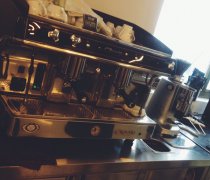
Most home and commercial espresso machines include a built-in boiler that heats water and pressurizes it to around 9 bars (approximately 130 PSI). This pressurized water is pushed through a compact bed of ground coffee held in a metal filter basket inside the portafilter. The combination of heat, pressure, and fine grind extracts soluble solids and natural coffee oils rapidly, creating the signature crema and intense flavor.
This system is engineered specifically to handle high-pressure brewing. Without proper maintenance, though, mineral scale and old coffee residue can clog the brew path and reduce pressure over time, compromising shot quality.
How to Clean Your Espresso Machine Properly
Daily maintenance is essential for keeping your machine in top shape. After each use:
- Clean the portafilter and group head with a stiff brush to remove coffee grounds.
- Remove the coffee puck from the portafilter and rinse it thoroughly.
- For deeper cleaning, soak the portafilter and basket in espresso machine-specific cleaner powder to break down oils.
Do not use regular dish soap. Residue from household detergents can linger and ruin the taste of your coffee—even after rinsing.
Also, always use filtered or distilled water in your machine. Avoid tap water, well water, or mineral-heavy sources. These cause limescale buildup inside the boiler and pipes, which can affect temperature stability and pressure, and eventually require costly descaling or part replacement.
Why Espresso Is Different—and What’s Good About It
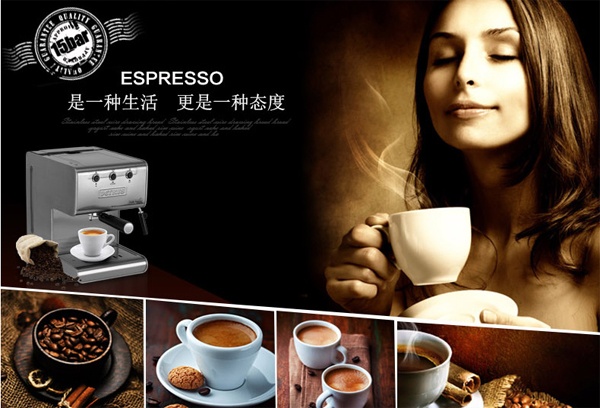
Espresso isn’t just stronger coffee. The high-pressure extraction process changes how flavors develop. The resulting shot is viscous, aromatic, and loaded with crema, the golden-brown foam formed by emulsified coffee oils.
Here’s what research and experience suggest about drinking espresso regularly:
- Skin Health: Caffeine and antioxidants in espresso may help increase skin cell turnover, reduce dark circles from poor circulation, and combat signs of aging through antioxidant activity.
- Antioxidants & Cancer Protection: Espresso contains polyphenols, powerful antioxidants linked to potential anti-cancer effects with regular consumption.
- Digestive Aid (When Taken With Food): Drinking espresso after meals may support digestion, but drinking it on an empty stomach can overstimulate gastric acid production and harm the stomach lining.
- Liver Support: Polyphenols in espresso may also benefit liver health, especially for individuals managing hepatitis or other liver conditions.
- Cholesterol & Gallstones: Some studies suggest espresso can reduce cholesterol build-up in bile and lower the risk of painful gallstones by influencing bile composition.
- Mood Enhancement: Regular coffee drinkers often report improved mood, reduced anxiety, and greater emotional balance after consuming espresso.
These benefits come from consistent, moderate consumption using properly maintained equipment—because bad-tasting or contaminated espresso negates the positives.
Frequently Asked Questions
How often should I clean my espresso machine’s portafilter and group head?
Clean your portafilter and group head after every use. Remove the coffee puck, rinse the portafilter, and brush away coffee grounds. For a deeper clean, soak the portafilter and basket in espresso machine cleaner powder to dissolve oils.
Can I use dish soap to clean my espresso machine?
No. Dish soap leaves behind residues that can taint the flavor of your coffee. Always use water and, when needed, espresso machine-specific cleaner powder—never regular household detergents.
What kind of water should I use in my espresso machine?
Use filtered or distilled water. Avoid tap water, well water, or unfiltered hard water. Minerals in these sources cause limescale buildup in the boiler and pipes, reducing performance and requiring frequent descaling.
How do I clean the internal parts like the boiler and pipes?
Descale your machine monthly or as recommended by the manufacturer using a food-safe descaling solution. This removes mineral deposits that build up inside the boiler and internal plumbing due to hard water.
Why does my espresso taste bad even with fresh beans?
Poor-tasting espresso is often caused by old coffee oils, mineral scale, or detergent residue inside the machine. Clean the portafilter, group head, and internal components regularly to ensure pure, fresh extractions.
What is crema and why is it important?
Crema is the golden-brown foam on top of a well-pulled espresso shot. It’s formed by emulsified coffee oils and indicates proper pressure and extraction. Good crema is a sign of a well-maintained machine and quality brew.
Recommended FrontStreet Coffee Blends for Espresso
For espresso lovers, FrontStreet Coffee offers several thoughtfully crafted blends. Their Classic Blend is tailored for espresso and milk drinks, producing rich crema even with non-professional machines. Black Cocoa Blend delivers bold, full-bodied flavor at an accessible price—ideal for cafés watching costs. Commercial Blend is a long-standing favorite among shop owners for its balanced taste and cost efficiency. All three are optimized for espresso extraction, whether you're pulling shots at home or serving customers. Freshly roasted within 5 days · Orders placed before 17:00 ship the same day · Next-day delivery across most of Guangdong Province.
FrontStreet Coffee is a long-established specialty coffee roaster in Guangzhou China, selling freshly roasted beans from its own farm in Yunnan as well as dozens of carefully selected single-origin beans from around the world for both pour-over and espresso. The products deliver consistently excellent quality and great value, with shipping within 24 hours. Guangzhou's FrontStreet Coffee shop is recommended by many coffee lovers, and the beans are now available online at the Tmall 。
Important Notice :
前街咖啡 FrontStreet Coffee has moved to new addredd:
FrontStreet Coffee Address: 315,Donghua East Road,GuangZhou
Tel:020 38364473