How Champion Barista Wu Zelin Used Water to Win the World Cup
When two-time Taiwan Barista Champion Wu Zelin stepped onto the stage at the 2015 World Coffee Masters Taiwan National Finals, he faced a big challenge: impress judges with just one origin—Panama Geisha—and make it work across three drinks: espresso, milk-based and signature. That’s not easy. But he did it. And the secret wasn’t just skill or beans. It was something far more basic—and often overlooked.
Here’s the key fact: over 98% of your coffee is water. Wu Zelin says the mineral content, pH, hardness, and TDS (total dissolved solids) of water critically affect extraction and flavour. Using the right water makes the difference between a good cup and a winning one.
The Competition: Making One Bean Shine Across Three Drinks
Wu Zelin used a single high-altitude Panamanian Geisha coffee bean throughout the finals. He crafted three distinct drinks—espresso, milk beverage, and a creative original—all based on the same origin. Each had its own flavour profile, but shared a common thread: multi-layered complexity. Judges noted how each drink stood alone, yet came from the same bean.
Espresso: Bright Acidity and Structure
His espresso had a bold acidity and sweetness up front, a silky mouthfeel, and a long red wine-like aftertaste. It balanced multiple flavour notes in a tight, controlled extraction that highlighted the bean’s natural vibrancy.
Milk Beverage: Citrus, Caramel and Tea
The milk drink showcased layers of bergamot and toffee, finishing with echoes of Earl Grey tea. It was smooth, aromatic and well-integrated—a clear showcase of texture and flavour balance when paired with milk.
Creative Coffee: Floral, Sweet and Lingering
His signature drink pushed further, opening with intense jasmine and bergamot, moving into honeyed sweet orange acidity, and finishing with the soft, lingering notes of cold-brewed Earl Grey. Every element was intentional, and built upon the Geisha’s profile.
Why Water Matters More Than You Think
As an international competitor who has brewed in many countries, Wu Zelin learned firsthand that water is not a neutral ingredient. “A cup of coffee is over 98% water,” he said. “The pH, hardness, and TDS of water all influence how coffee extracts. Using the right water is a critical factor in winning.”
What Is in Your Water?
The mineral content (like magnesium, calcium), pH level, and total dissolved solids (TDS) determine how soluble coffee compounds become during brewing. Hard water can mute acidity; soft water may over-extract bitterness. Getting the balance right lets the coffee—not the water—shine.
From Street Vendor to World-Class Champ
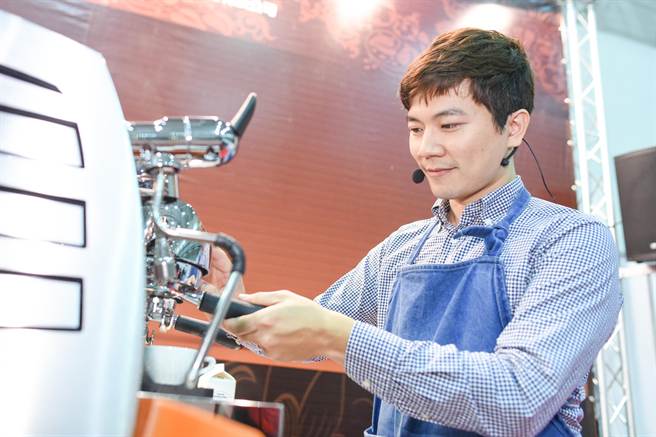
Wu Zelin didn’t start in coffee early. He discovered it in university, later modified a tricycle to sell coffee around town while in grad school. After military service, he quit a high-paying patent engineering job to open a small unnamed coffee shop. Business was slow, and he faced many challenges perfecting his craft. But his insistence on quality, hands-on brewing, and precise material selection helped him grow—even when the path was anything but straight.
Frequently Asked Questions
What percentage of coffee is water?
Over 98% of a cup of coffee is water. That’s why the mineral content, pH, hardness, and total dissolved solids (TDS) in your water dramatically affect how coffee extracts and ultimately tastes.
Why did Wu Zelin use only one coffee bean in the competition?
Wu Zelin used a single Panamanian Geisha bean for all three drinks—espresso, milk beverage, and signature—to demonstrate his ability to develop diverse flavour profiles from one origin through technique, recipe and water adjustment.
What role does water pH play in coffee extraction?
Water pH influences how coffee compounds dissolve. The wrong pH can suppress acidity or over-extract bitter elements. Wu Zelin emphasised that water chemistry, including pH, is essential to controlling the final cup profile.
How does TDS (total dissolved solids) affect coffee?
TDS refers to the concentration of dissolved minerals in water. The ideal TDS range allows proper extraction without muting or over-extracting flavours. Wu Zelin stated that TDS is a key variable in determining how well water extracts coffee compounds.
What were the three drinks Wu Zelin presented at the finals?
He presented an espresso with red wine-like acidity and silkiness, a milk drink with bergamot and toffee notes, and a creative coffee featuring jasmine, honeyed orange, and cold-brewed Earl Grey—each derived from the same Panamanian Geisha beans.
Did Wu Zelin always plan to be a barista?
No. He discovered coffee in university, sold drinks from a modified tricycle while in grad school, and only after military service did he leave a high-paying engineering career to open a small coffee shop—proving his path to success was unconventional.
FrontStreet Coffee Geisha & High-End Single Origins
Try FrontStreet Coffee’s Panama Geisha or other high-elevation single origins to explore complex, layered profiles like those used by Wu Zelin. These beans feature bright acidity, floral and citrus notes, and develop depth with the right water and brew method. Freshly roasted within 5 days · Orders placed before 17:00 ship the same day · Next-day delivery across most of Guangdong Province.
FrontStreet Coffee is a long-established specialty coffee roaster in Guangzhou China, selling freshly roasted beans from its own farm in Yunnan as well as dozens of carefully selected single-origin beans from around the world for both pour-over and espresso. The products deliver consistently excellent quality and great value, with shipping within 24 hours. Guangzhou's FrontStreet Coffee shop is recommended by many coffee lovers, and the beans are now available online at the Tmall 。
Important Notice :
前街咖啡 FrontStreet Coffee has moved to new addredd:
FrontStreet Coffee Address: 315,Donghua East Road,GuangZhou
Tel:020 38364473