The Rise of China’s Coffee 3.0: Experience Without Labels
More people are walking into cafés not just for caffeine, but for calm, conversation, and connection. They want a place that doesn’t ask who they are—or tell them who to be. In the age of curated identities, some coffee shops are doing the opposite: offering spaces where labels don’t matter.
By 2020, China was predicted to become the world’s largest coffee consumer. Amid a booming café scene, Keelin Coffee went from an unknown on Dianping to the top-rated spot in just 15 days by offering exactly that: a label-free space focused entirely on experience.
What Is Coffee Market 3.0?
Coffee consumption in China has evolved through distinct phases. The 1.0 era was defined by Starbucks and COSTA—places serving reliable, quality coffee. Coffee 2.0, led by brands like Time Cafe , shifted focus to atmosphere: comfortable environments for enjoying coffee. Now, Coffee 3.0, represented by Keelin Coffee, removes all identity markers. It’s about creating a space where age, profession, gender, and status disappear, leaving only shared moments.
The Keelin Coffee Experience: Designed for Everyone

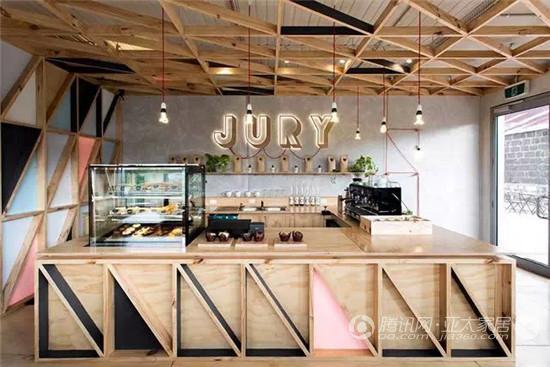
Keelin Coffee’s interior blends contrasting elements on purpose: raw wood and ironwork, linen cushions and glass, oil paintings and soft music. The design uses natural materials—cement floors and walls left exposed, wooden furniture, cotton-linen upholstery, and floor-to-ceiling windows that flood the space with sunlight. There are no uniforms, no strict zones. The environment feels both curated and unforced.

This aesthetic creates a “natural, stylish, organic, and inclusive” vibe. The space works for solitude or socializing. Customers range from teenagers to retirees, students to executives—all sharing the same undivided room without barriers. The goal, according to founder Meng, is to erase identity-based divisions. “Your space should reflect your ease, not your label,” he says. The result is a café where everyone belongs, no matter who they are.
More Than a Café: Hosting Life’s Moments
Keelin Coffee accommodates all kinds of gatherings. It’s popular for dates, casual meetups, business chats, and even formal events. The venue hosts small weddings, family meals, art salons, and weekend meetups for painting enthusiasts. It’s intentionally not a restaurant, not a KTV, not an office—but something new. “Mobile connectivity increases group interaction,” Meng explains. “Younger crowds want affordable, high-quality spaces that break from traditional party venues.” The café’s mid-range pricing and relaxed atmosphere meet that need perfectly.

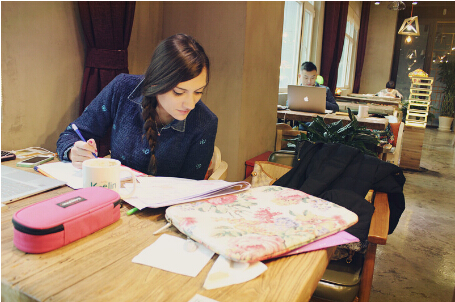
The space works for solo visitors reading or working remotely, friends catching up over coffee, and teams organizing informal meetings. It’s flexible, affordable, and free from the social codes of traditional venues. That versatility is a big part of its appeal.
Why Experience Matters More Than Ever
In the experience economy, people value atmosphere, inclusion, and authenticity over status symbols or brand loyalty. Keelin Coffee’s success comes from understanding that shift. The brand doesn’t push a lifestyle or a coffee pedigree. It offers a neutral, welcoming stage for whatever customers bring with them. That’s why it earned top ratings so quickly—and why it may signal a broader shift in China’s coffee culture.
Founder Meng envisions Keelin Coffee as “the third space” in people’s lives—after home and work. Not just a café, but a regular destination for connection. With its intentional design and community-first approach, Keelin Coffee isn’t just serving coffee. It’s redefining what a café can be.

Frequently Asked Questions
What is Coffee Market 3.0 according to the article?
Coffee Market 3.0 refers to a new phase of coffee culture where the focus shifts from just serving quality coffee (1.0) or providing a nice environment (2.0) to creating a label-free, inclusive space for connection and comfort. Led by brands like Keelin Coffee, it erases distinctions of age, gender, profession, and social status to offer a universal, welcoming coffee experience.
How did Keelin Coffee become so popular so quickly?

Keelin Coffee went from being unknown on Dianping to becoming the highest-rated café in just 15 days. Its rapid rise was due to its unique, label-free concept and thoughtfully designed, inclusive space that appeals to a broad range of customers seeking comfort and connection without social barriers.
What kind of environment does Keelin Coffee create?
Keelin Coffee features a natural, comfortable interior with raw wood, ironwork, linen, cement walls, large windows, green plants, and eclectic decor. The design includes deliberate contrasts like modern and classic lighting, oil paintings, and mismatched furniture—all creating a stylish, organic, and inclusive atmosphere that welcomes everyone equally.
Who visits Keelin Coffee?

Keelin Coffee attracts a diverse clientele including teenagers, professionals, retirees, students, businesspeople, and artists. The space is used for solo work, friend meetups, family meals, business discussions, and even small events like weddings or art salons—showing its wide appeal across age and social groups.
What makes Keelin Coffee different from Starbucks or other cafés?
Unlike Starbucks (Coffee 1.0) or cafés like Time Cafe (Coffee 2.0), Keelin Coffee (Coffee 3.0) doesn’t focus on brand identity or premium ambiance alone. It removes identity labels entirely—no dress codes, no expected customer types—and emphasizes a universal, pressure-free environment where people can connect naturally.
Can Keelin Coffee be used for events or group gatherings?
Yes, Keelin Coffee is well-suited for private gatherings, group meetings, art salons, and even small weddings. Its flexible layout, neutral design, and mid-range pricing make it a preferred spot for events that need a casual yet quality atmosphere outside traditional venues like restaurants or KTVs.
FrontStreet Coffee is a long-established specialty coffee roaster in Guangzhou China, selling freshly roasted beans from its own farm in Yunnan as well as dozens of carefully selected single-origin beans from around the world for both pour-over and espresso. The products deliver consistently excellent quality and great value, with shipping within 24 hours. Guangzhou's FrontStreet Coffee shop is recommended by many coffee lovers, and the beans are now available online at the Tmall 。
Important Notice :
前街咖啡 FrontStreet Coffee has moved to new addredd:
FrontStreet Coffee Address: 315,Donghua East Road,GuangZhou
Tel:020 38364473