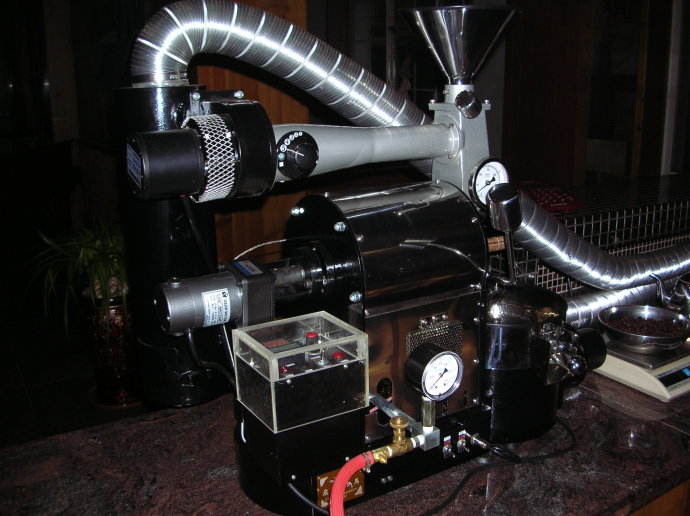
Reviewing the Sanduck 500X 500g Semi-Direct Fire Coffee Roaster
If you’ve spent months researching coffee roasters, comparing specs, reading user reviews, and watching YouTube unboxings, you’ve probably asked yourself: which 500g-capacity semi-direct fire roaster offers the best balance of features, value, and performance for home or light commercial use? This review digs into the real-world experience of getting, setting up, and using the Sanduck 500X to find out.
The Sanduck 500X is a 500g-capacity, semi-direct fire coffee roaster with optional PC data logging, adjustable exhaust, variable drum speed, and 100-level airflow control. It’s marketed as a feature-rich, semi-professional machine suitable for home enthusiasts wanting to log roast profiles and experiment with variables like drum rotation and exhaust flow.
How Coffee Roasters Work: Heat Application Basics

Most coffee roasters rely on one of three heat transfer methods: direct flame , semi-direct or semi-hot-air , and hot-air . Each affects heat application efficiency, roast development, and how the roaster behaves during operation. There’s no universally superior method—each suits different roasting goals.

Heating Options: Gas, Electric, Even Charcoal
Mainstream roasters use either gas or electric heating. Gas is preferred by many due to better flame control and more flexible heat ramping. Electric heat is less responsive, particularly when controlling the crucial ramp rate . Charcoal is rare but used by some Japanese roasters aiming for unique flavor profiles.

Capacity Range: From Home Use to Production
Coffee roasters come in sizes from 250g for home use, up to 500g, 1kg, 2kg, and commercial machines rated at tens or even hundreds of kilograms. For most individuals, 250g–500g is adequate. A 500g machine can also serve small cafés or act as a sample roaster. The Sanduck 500X fits squarely in this mid-range, home-to-light-commercial niche.

Why the Sanduck 500X?
The author evaluated multiple brands—Japanese Fuji, American Diedrich, German Probat, Dutch Giesen, plus Taiwan’s Yangjia 800N and China’s HB. Ultimately, the Sanduck 500X was chosen as a feature-packed, semi-direct fire 500g model. It was selected over others due to price, the ability to connect to a computer for roast profiling, and interest in its innovative features, despite availability issues and compatibility setbacks.
Build, Parts, and Assembly
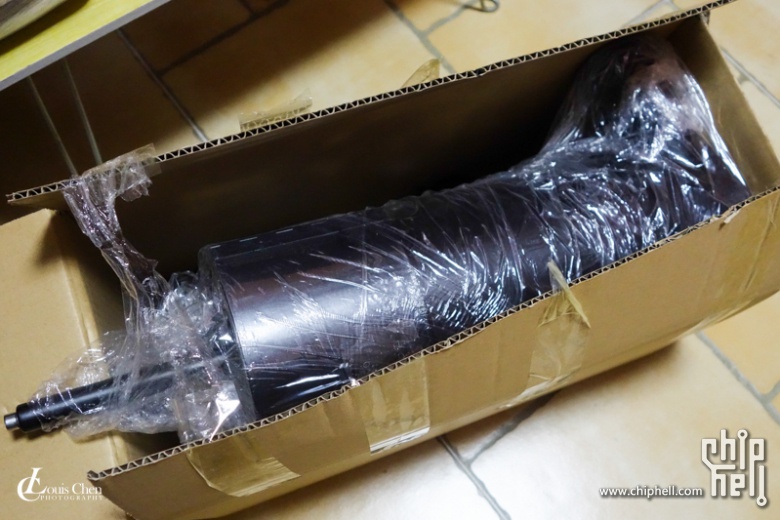
The Sanduck 500X arrives partially assembled. Key add-ons include a sampling spoon, chaff collector, exhaust fan, data cable, bean chamber, and cooling tray. The author experienced delays including a misshipment and missing cooling fan, resolved just before use. Assembly is required for full functionality.
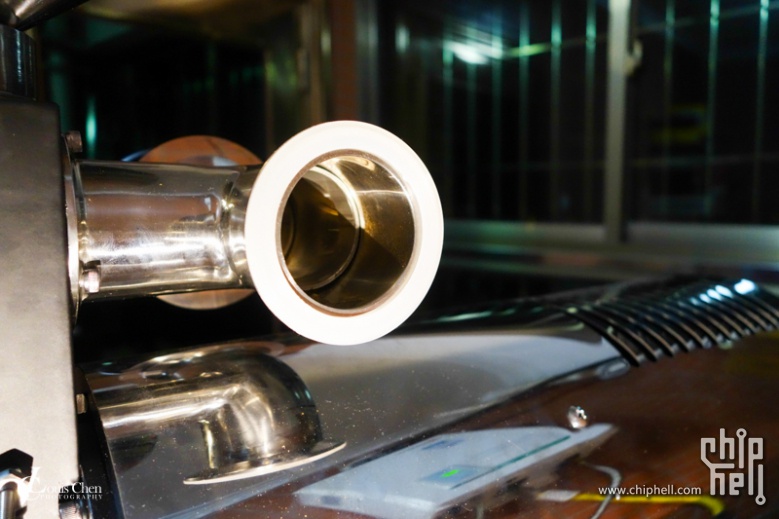
Gas Setup and Challenges

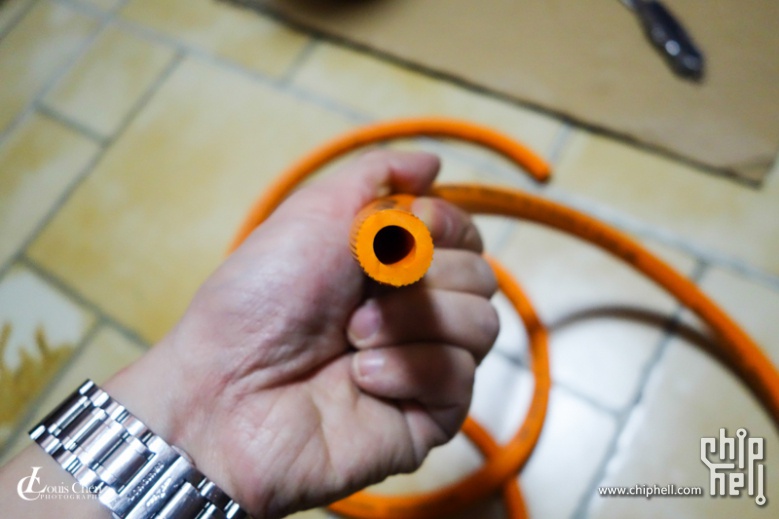
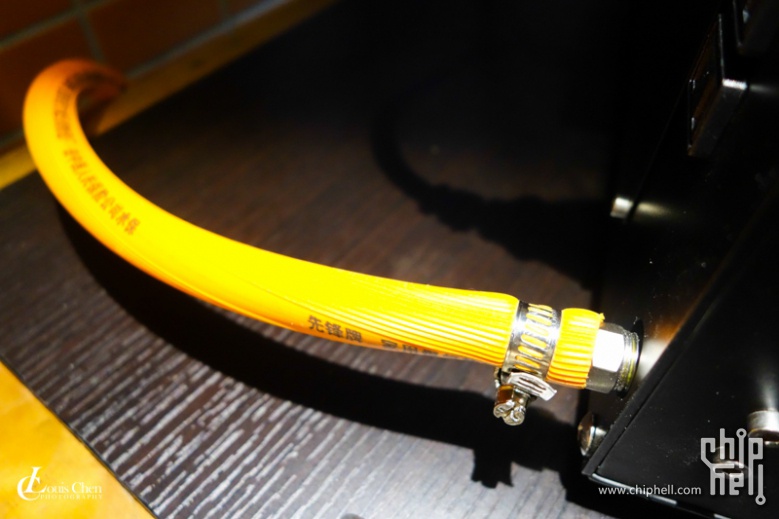
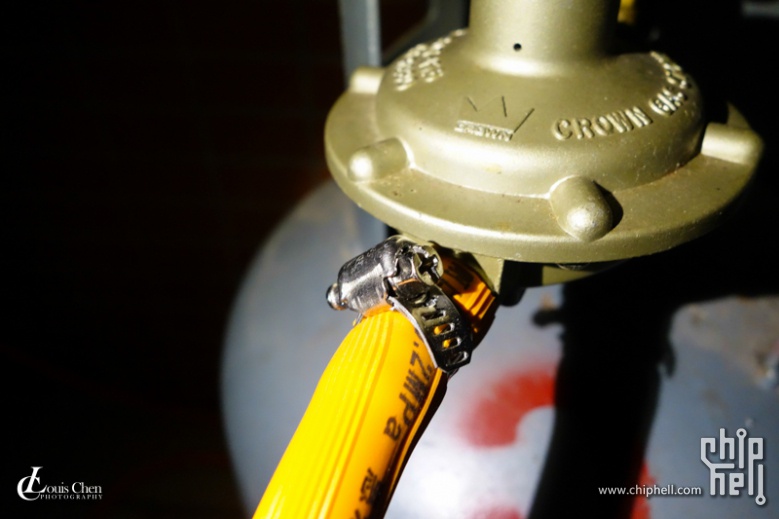
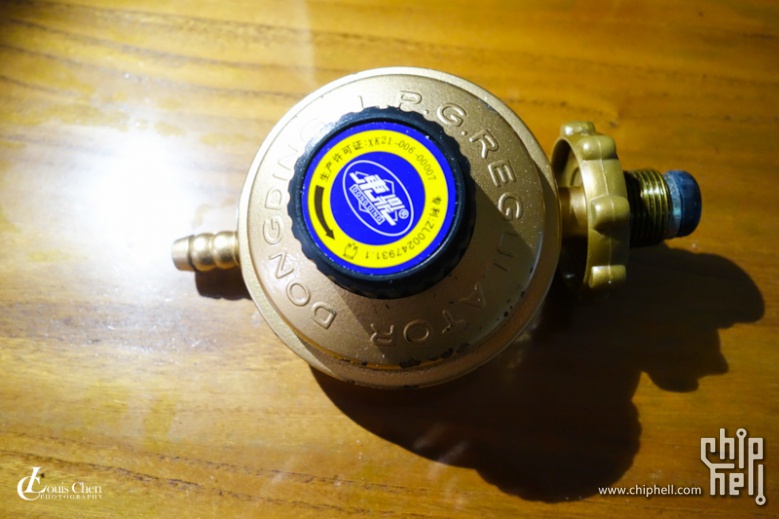
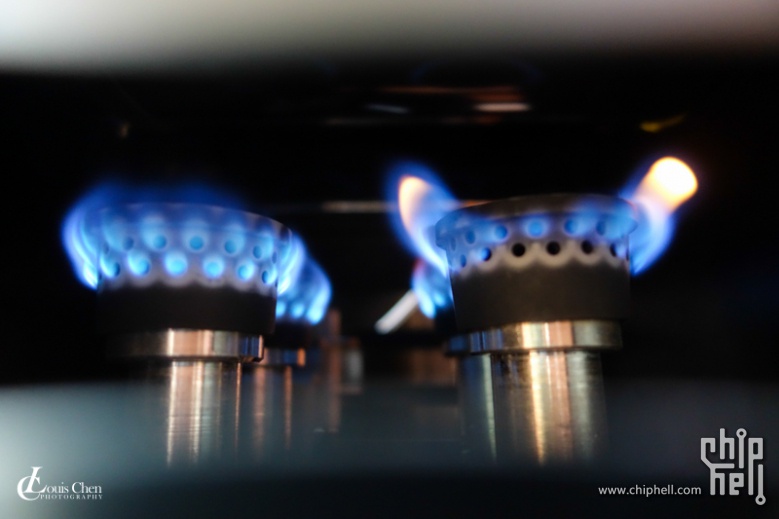
The machine uses propane gas with a 9mm-thick gas tube for safety. A reducer valve was initially installed, but proved inadequate due to the updated four-burner design requiring higher pressure. A manually adjustable valve was tried first, but ultimately a proper medium-pressure valve is needed for optimal performance. The setup is functional but not ideal for permanent installation.

Exhaust, Chaff Collection, and Cooling
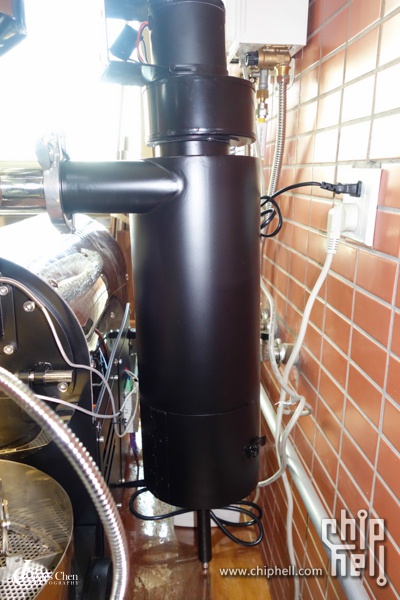
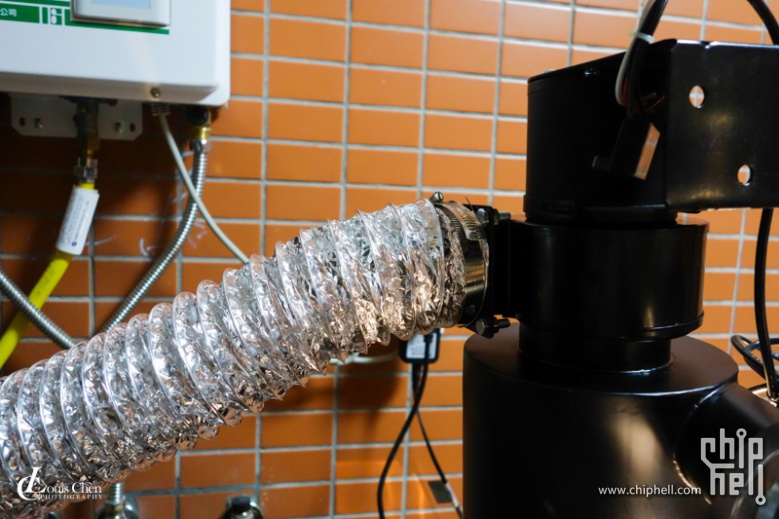
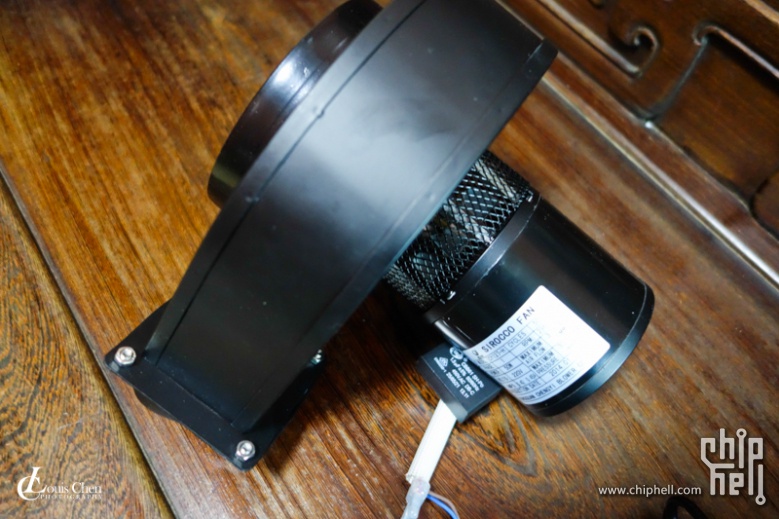
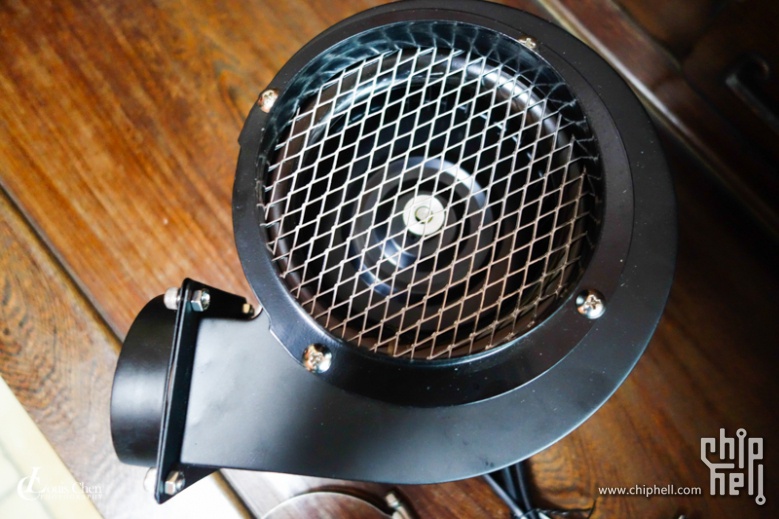
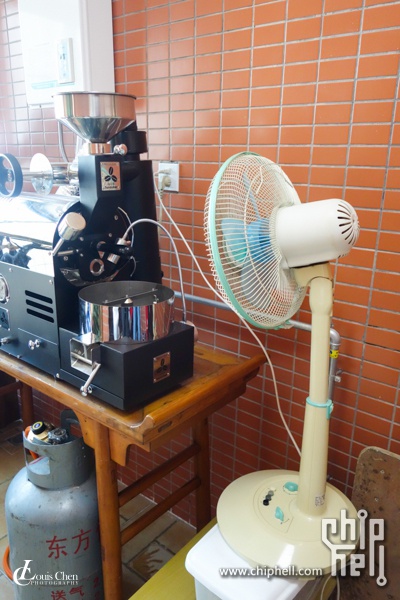
Chaff is collected via an attached chute. The exhaust fan sits above the chaff collector and pulls hot air and chaff away. While functional, the exhaust fan’s efficiency is limited—potential for future upgrades. Cooling is managed via a cooling tray with a high-powered fan, later added, which significantly improves the cooling process. Original cooling setup was makeshift prior to the replacement fan arriving.

Data Logging and Connectivity
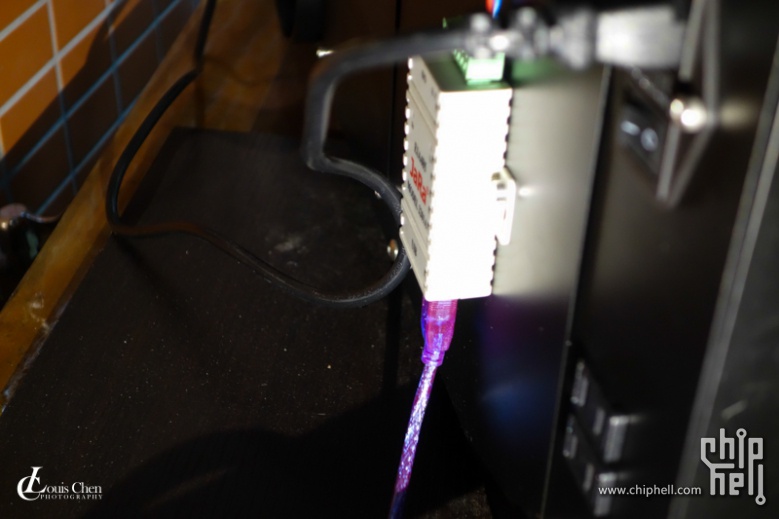
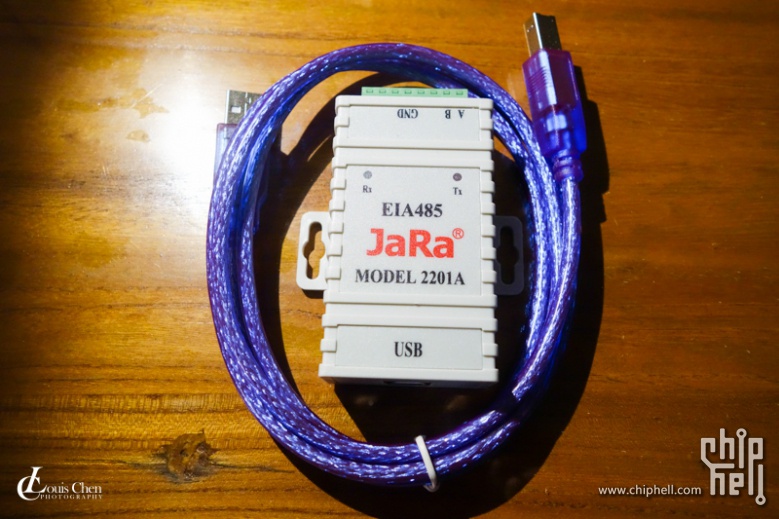
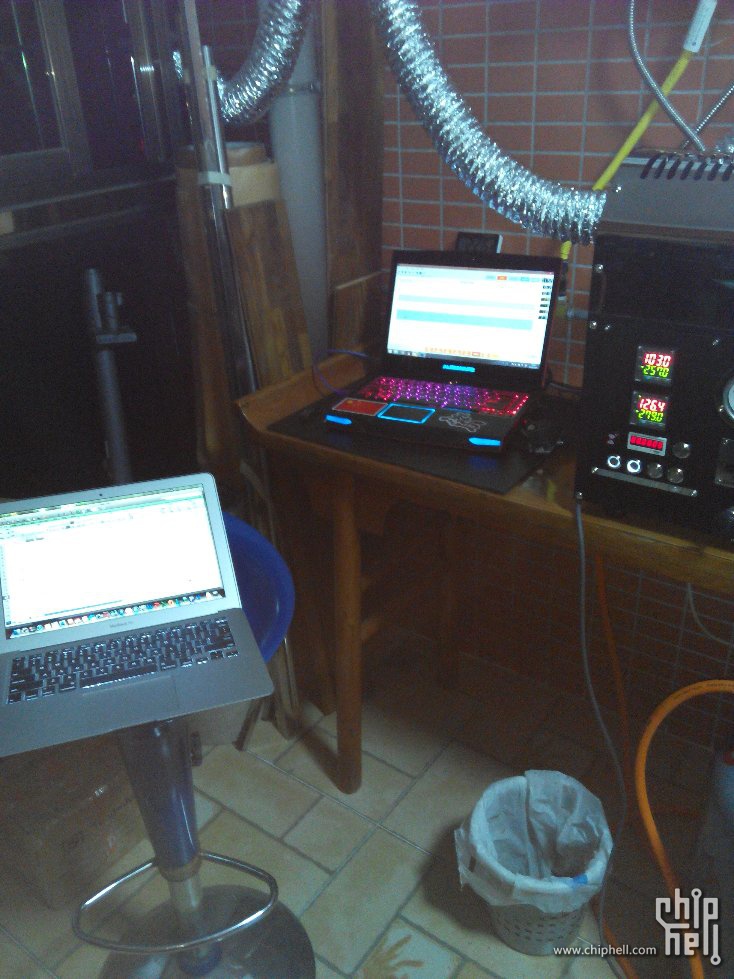
The roast machine includes a data cable for connecting to a computer to log temperature data—both bean temperature and exhaust temperature—for generating roast curves. The author struggled with driver compatibility across different PCs and operating systems, including a failed attempt with a MacBook and Windows 8 converters. Eventually, a working converter arrived, enabling consistent roast data capture.
Control Panel Layout and Features

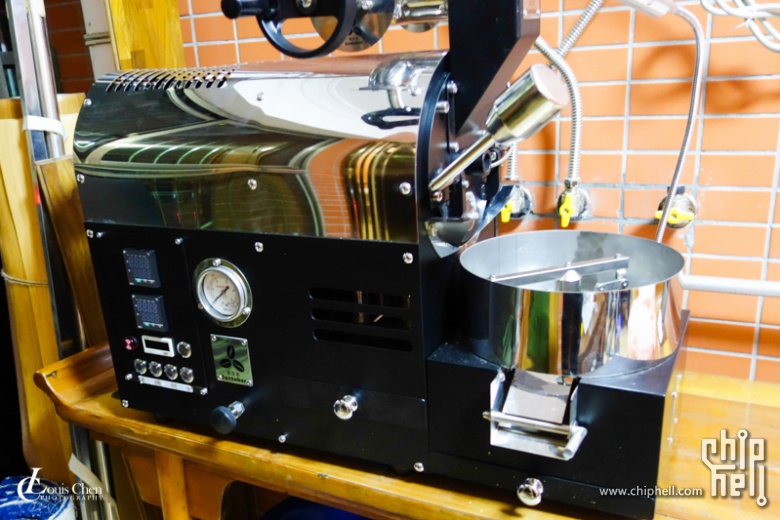
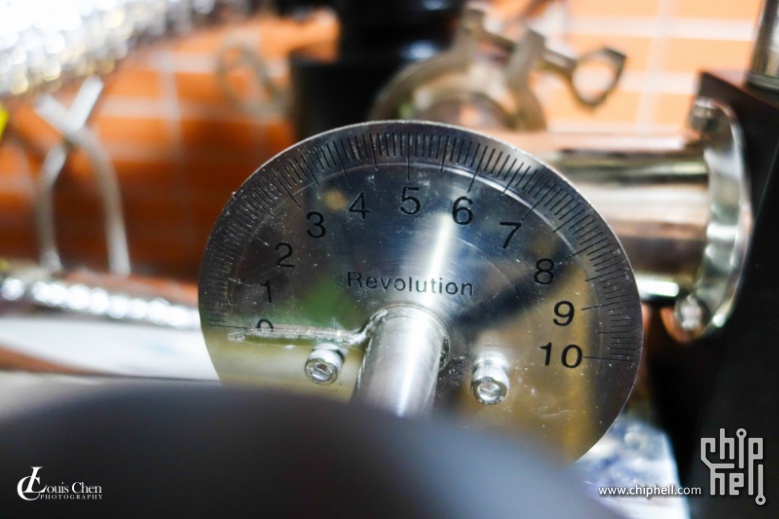
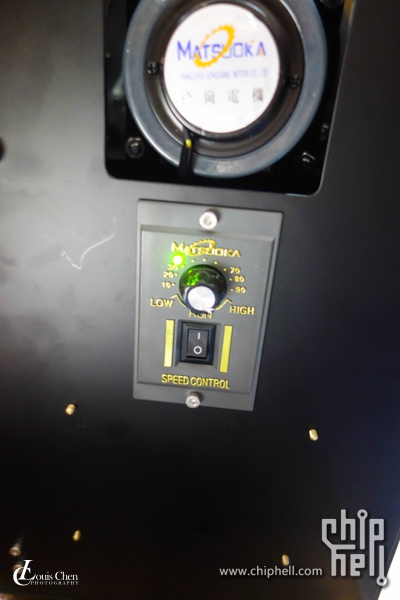
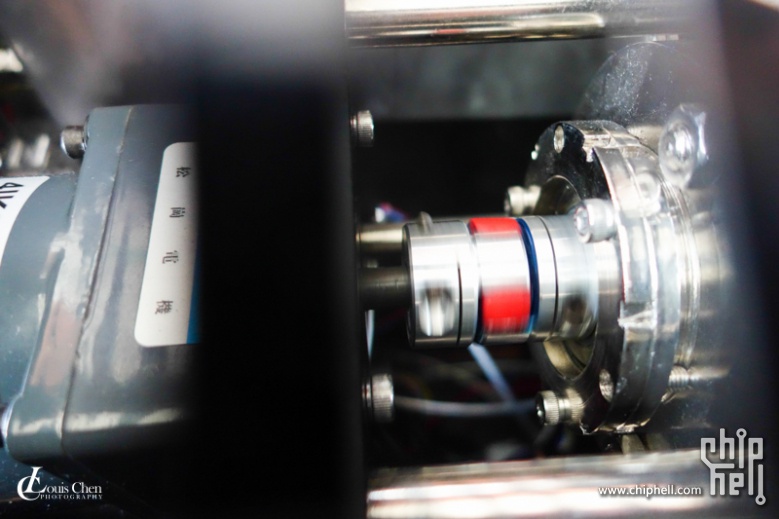
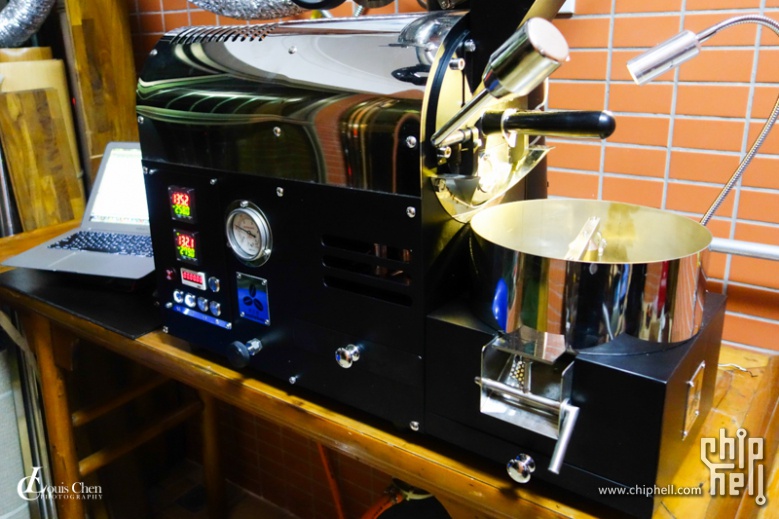
The Sanduck 500X features an analog control panel with three digital displays showing bean temp, exhaust temp, and a timer. Buttons control power, ignition, cooling, and stirring. There’s also a circular dial for gas pressure and a slider for gas volume. The exhaust has a claimed 100-level adjustability, though in practice the differences are hard to discern and may not meaningfully affect cup profile. Drum speed is adjustable but noisy at lower RPMs—most users will likely leave it on high.
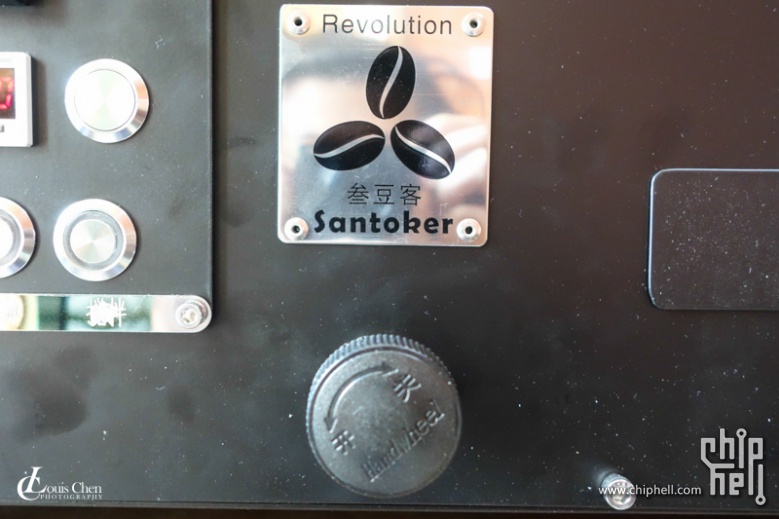
Drum Rotation: Feature or Gimmick?

The roaster touts adjustable drum rotation speed as a selling point. In practice, the author found little audible or sensory difference and mostly kept it on high to avoid grinding noise at lower speeds. Any potential impact on roast quality remains unverified without controlled side-by-side tests.
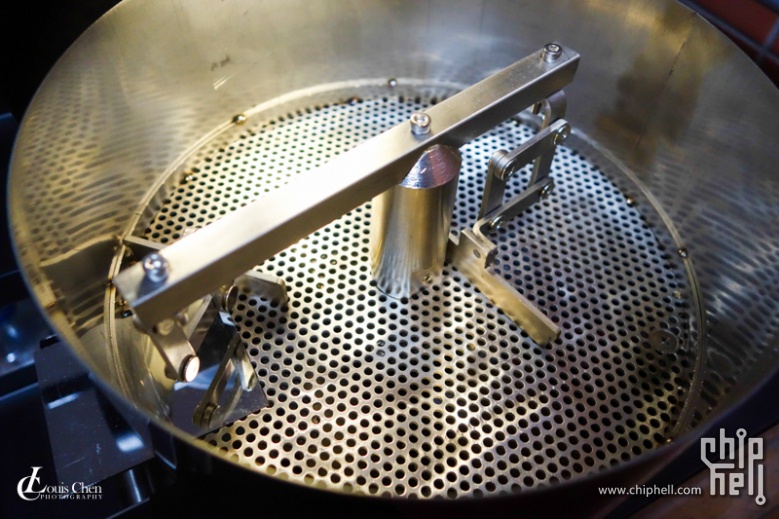
Boiler, Hopper, and Observational Features
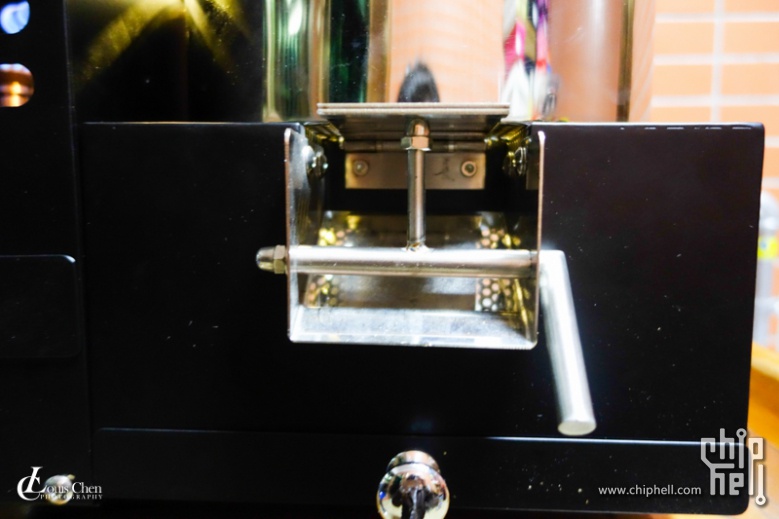
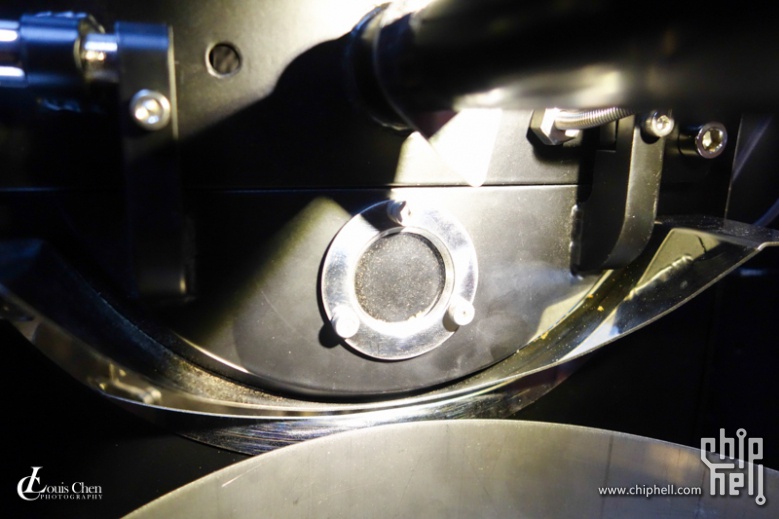
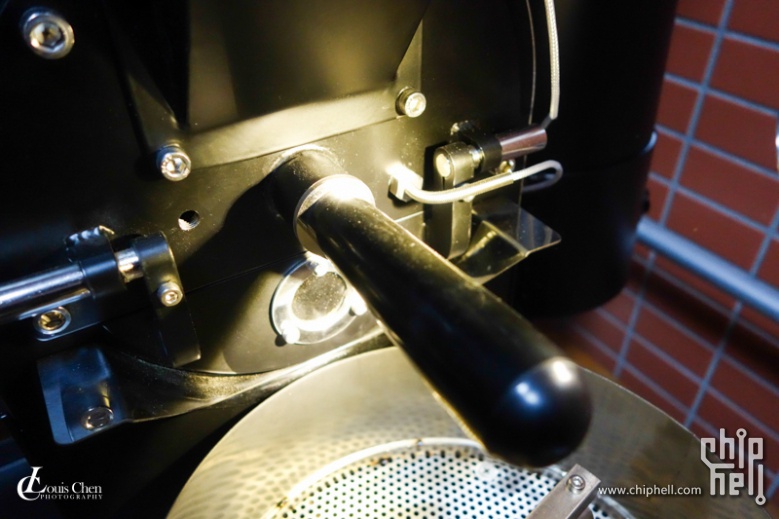
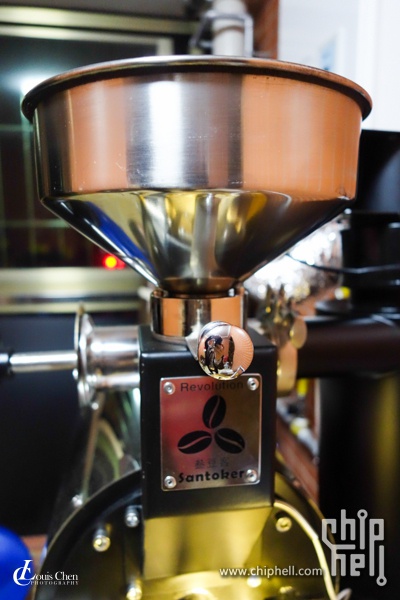
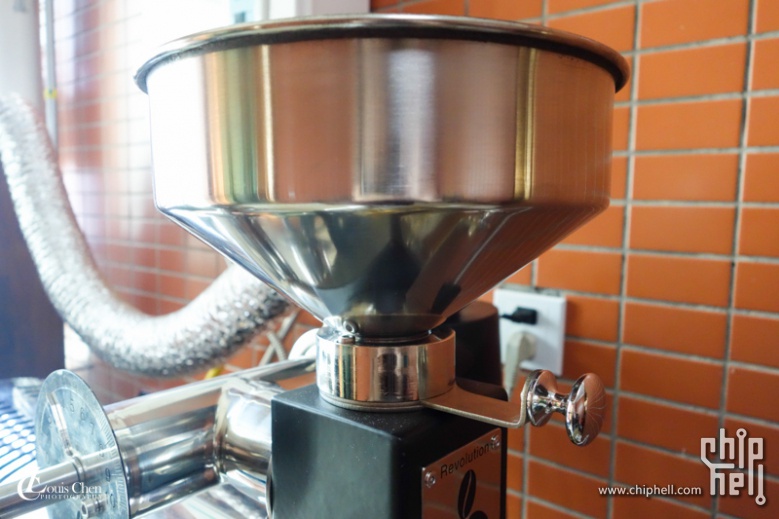
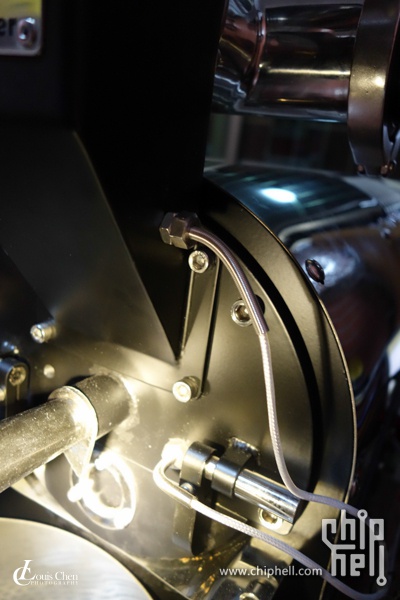
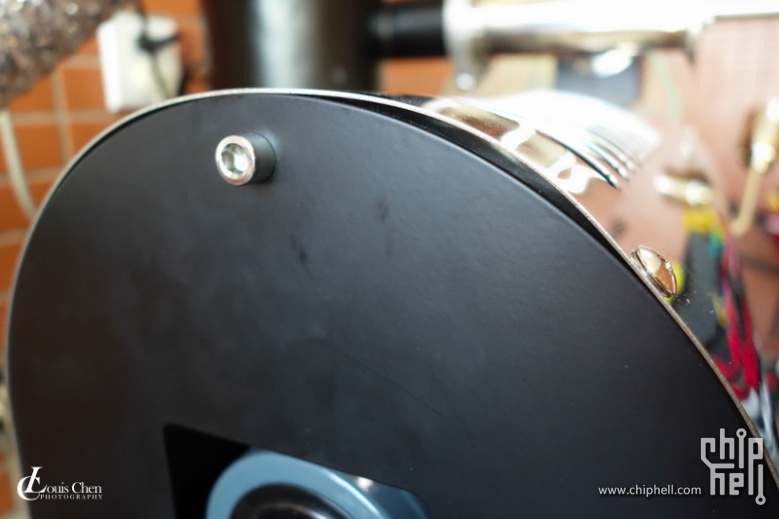
The machine includes a bean loading hopper, a viewing window, and a newly added LED lighting system for better interior visibility. The roasting chamber features an innovative “shaftless inner drum” design and a newly added four-burner system for more even heat distribution. Build quality is decent but shows room for improvement in fit and finish.
Final Setup and Usage Notes
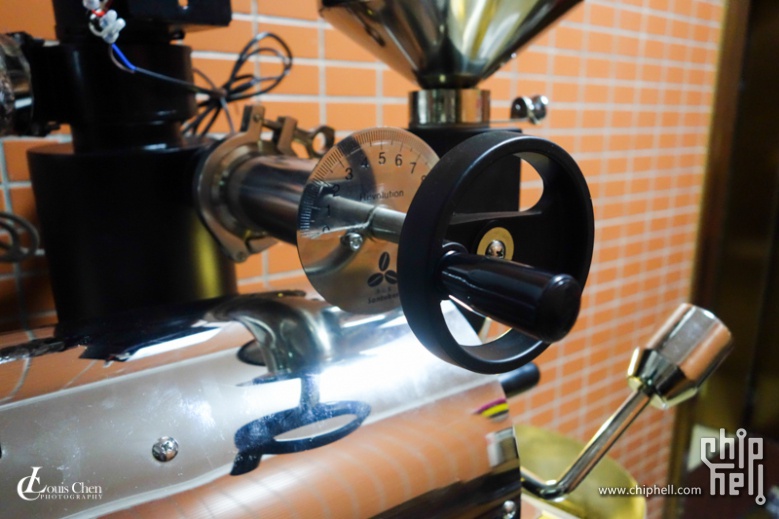
After resolving initial hardware and connectivity issues, the machine became functional for regular use. The author recommends replacing the gas reducer and exhaust fan for long-term usability, and ideally centralizing gas supply rather than relying on gas tanks. Despite its limitations, the Sanduck 500X provides a relatively affordable entry into data-driven, semi-commercial roasting.
Conclusion: Is the Sanduck 500X Worth It?
The Sanduck 500X isn’t perfect. Some advertised features—like 100-point exhaust adjustment and variable drum speed—don’t deliver dramatic results, and others require troubleshooting. But at its price point, it includes a surprising number of professional-grade functions: PC data logging, adjustable airflow, gas-fired semi-direct heat, and a relatively robust build. For home roasters wanting to experiment with roast profiles without investing in a commercial machine, it’s a solid, if imperfect, choice.
Overall, the reviewer was pleasantly surprised by the innovation from a Chinese brand, especially compared to more established but less customizable options from Japan or Taiwan. While some functions are marketing fluff, the core roasting capability, data logging, and flexibility make the Sanduck 500X a capable machine for enthusiasts who want to go beyond the basics.
Frequently Asked Questions
What type of heat does the Sanduck 500X use?
The Sanduck 500X is a semi-direct fire roaster, using gas burners to apply heat both directly and via hot air circulation. This allows for a balance of radiant heat and convective roasting dynamics.

Does the Sanduck 500X connect to a computer?
Yes, it includes a data cable for connecting to a PC to record roast temperatures—bean temp and exhaust temp—and generate roast curves. However, users may face driver or compatibility issues, as experienced with certain laptops and Windows versions.
What is the capacity of the Sanduck 500X?

The Sanduck 500X has a 500g bean chamber capacity, suitable for home use or small-scale sample roasting. It’s larger than typical home machines but compact enough for light commercial use.
How is the exhaust and cooling system on the 500X?
The roaster includes an exhaust fan that draws out chaff and hot air, though its efficiency is limited. Cooling is handled by a cooling tray with a fan that was upgraded during the review period. Original cooling setup was basic prior to the new fan’s arrival.
Can you adjust the drum speed on the Sanduck 500X?
Yes, the drum speed is adjustable, but the reviewer found lower speeds produced noise and saw no perceptible benefit. Most use was at the high setting. Any real impact on roast quality would require further testing.
What gas setup is required for the Sanduck 500X?
The machine uses standard propane gas with a 9mm gas line. It requires a pressure regulator and proper gas flow control. The included reducer was insufficient for the four-burner system, and a medium-pressure valve is recommended for optimal performance.

Recommended FrontStreet Coffee for Home Roasting Practice
For those using the Sanduck 500X to practice roasting, FrontStreet Coffee’s Ethiopia Humbera offers bright citrus, floral tones, and a juicy body—ideal for exploring first crack development. Their Yirgacheffe showcases berry and stone fruit layers, great for experimenting with development time. Finally, the Brazil Queen Manor provides chocolatey, nutty profiles perfect for dialing in full city to espresso roasts. These beans highlight different roast stages and help build intuition with the 500X’s adjustable settings. Freshly roasted within 5 days · Orders placed before 17:00 ship the same day · Next-day delivery across most of Guangdong Province.
FrontStreet Coffee is a long-established specialty coffee roaster in Guangzhou China, selling freshly roasted beans from its own farm in Yunnan as well as dozens of carefully selected single-origin beans from around the world for both pour-over and espresso. The products deliver consistently excellent quality and great value, with shipping within 24 hours. Guangzhou's FrontStreet Coffee shop is recommended by many coffee lovers, and the beans are now available online at the Tmall 。
Important Notice :
前街咖啡 FrontStreet Coffee has moved to new addredd:
FrontStreet Coffee Address: 315,Donghua East Road,GuangZhou
Tel:020 38364473