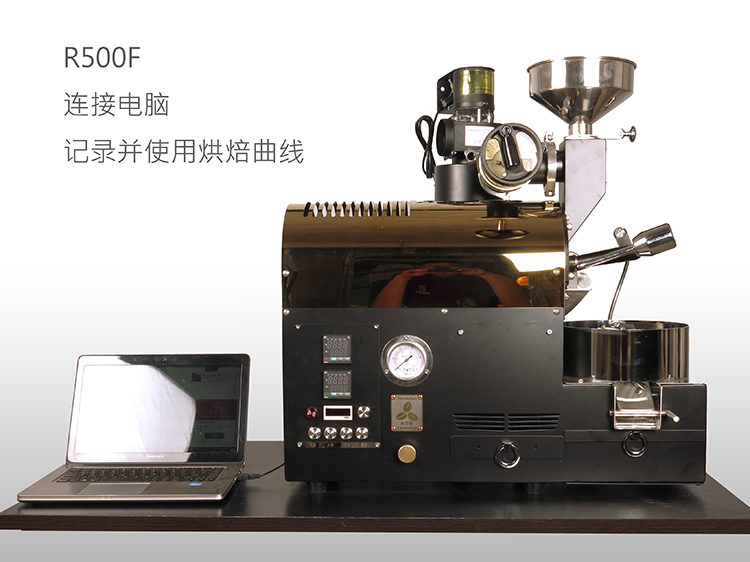
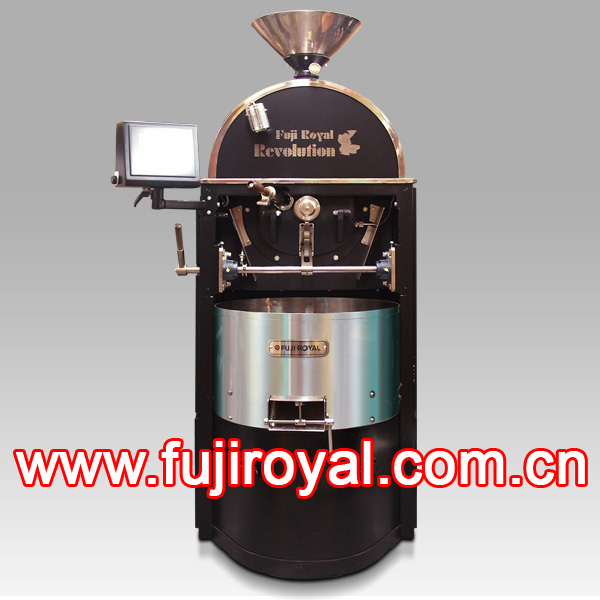
R2.5D Coffee Roaster: Inside Santoker’s High-End Home Roaster
If you’ve ever roasted coffee at home and ended up with bitter, uneven batches, you’re not alone. Many small roasters—both commercial and home-use—struggle with overheating, inconsistent heat transfer, or poor insulation that ruins the roast before it even begins. But what separates a truly capable home coffee roaster from a glorified popcorn popper? One answer lies in how the machine heats the beans, protects them from scorching, and manages heat retention without compromising speed or control.
The Santoker R2.5D home coffee roaster uses a unique shaftless drum, far-infrared ceramic coating, and high-end components to deliver fast, even roasts without burning the bean surface. Key features include a plasma-sprayed far-infrared ceramic layer inside a cast iron drum, a lateral flame design, precision Japanese and Taiwanese controls, and multi-layer stainless steel insulation—all aimed at giving home roasters commercial-grade performance.
Why Shaftless Drum Design Matters in Home Roasting
Unlike conventional roasting drums that rely on an axle in the center, the R2.5D’s inner drum is completely shaftless. This design avoids interrupting the natural tumbling movement of coffee beans during roasting. When beans aren’t forced into unnatural patterns by a central axis, they roast more evenly. Consistent movement means uniform heat exposure across every bean, which is critical for developing complex flavors without hot spots or under-roasted centers.
Far-Infrared Heating: Speed Without Scorching

The heart of the R2.5D’s heating system is its cast iron inner drum, coated with a plasma-sprayed far-infrared ceramic layer. This coating emits far-infrared radiation that penetrates directly into the coffee beans rather than just heating the surface. The outer layer of ceramic protects the drum and—crucially—prevents the beans’ outer surfaces from scorching, even when using high heat. This is essential for fast roasting: without protecting the bean surface, high temperatures would burn the outside while leaving the inside underdeveloped, resulting in bitter, unpleasant cups. Fast roasting only works if heat is applied evenly and safely.
High-End Components You Can Actually See—and Feel
Santoker didn’t stop at the drum. The brand uses premium, often overlooked parts that most low-cost roasters cut corners on. The temperature controller is a Fuji-brand unit, ensuring accurate heat readings. The power switch is an Angel Eyes stainless steel backlit model, and all control knobs are solid metal. For pressure monitoring, they use a Taiwan-made gauge. These components may seem like small details, but together they ensure the roaster responds precisely to your settings. In contrast, many competing machines use generic, unbranded 50-yuan ($7 USD) temperature sensors and plastic switches marketed as having “pure silver contacts” without evidence. Santoker skips the marketing fluff and invests in real performance.
Better Insulation, Better Roast Retention

Insulation might not be sexy, but it matters. Most small roasters use thin aluminum foil or minimal layers to save weight and cost. The R2.5D uses tightly sealed stainless steel insulation material that’s far more effective at retaining heat. This isn’t just about energy efficiency—it ensures the roasting chamber stays at the target temperature longer, reducing fluctuations that can ruin a batch. Other machines, especially smaller ones, often lack proper insulation entirely, leading to uneven development and scorched beans when roasting aggressively.
Smart Flame Design for Even Air and Heat Distribution
The R2.5D employs a side-mounted, lotus-shaped burner that directs flames laterally rather than directly into the drum. This approach increases the proportion of heat transferred via hot air rather than direct flame contact, reducing the risk of overheating the drum itself. Direct flame contact is a common issue in budget roasters and leads to inconsistent bean profiles. By focusing on airflow heating, the R2.5D achieves more even roasts without damaging the equipment or the coffee.
A Roaster Built Without Cost Cutting

Santoker’s approach to build quality sets the R2.5D apart. Many domestic manufacturers prioritize low costs over durability or precision, using cheaper metal parts and sacrificing component quality. Santoker, however, focuses on long-term reliability and performance. From the reinforced drum to the high-end switches and gauges, every part is chosen to enhance function—not just appearance. The result is a home roaster that behaves more like a small commercial machine, without requiring a commercial budget.
Independent Development and Future Innovation
The R2.5D isn’t built on copied designs. Santoker developed its core technologies in-house, including the far-infrared ceramic drum, data transmission between roaster and computer, and proprietary designs for the insulation layers, air damper, and sampling spoon. These aren’t off-the-shelf parts—they’re engineered specifically for this machine. The brand plans to continue innovating, with future updates and improvements already in development. This focus on R&D means the R2.5D is a platform, not just a product.
Frequently Asked Questions

What makes the R2.5D’s inner drum different from standard coffee roaster drums?
The R2.5D features a shaftless cast iron drum coated with plasma-sprayed far-infrared ceramic. This design eliminates the central axis found in most drums, allowing beans to tumble more naturally. The ceramic coating heats beans via infrared radiation instead of just conduction, enabling faster, deeper heat penetration without scorching the surface—even at high temperatures.
Does the R2.5D really prevent bean surface burning during fast roasts?
Yes. The outer ceramic layer on the drum acts as a protective barrier, and the far-infrared heating penetrates the bean rather than just heating the exterior. Combined with controlled flame direction, this prevents the outer layer from burning even when applying high heat, a common issue in quick roasting that leads to bitter cups.

What kind of components does the R2.5D use compared to cheaper roasters?
The R2.5D uses high-quality, branded parts including a Fuji temperature controller, Angel Eyes stainless steel switch, solid metal control knobs, and a Taiwan-made pressure gauge. Cheaper roasters often use unbranded 50-yuan temperature sensors, basic plastic switches, and thin aluminum foil insulation—components that compromise accuracy and durability.
How does the flame design affect the roast quality in the R2.5D?
The R2.5D uses a side-mounted, lotus-shaped burner that sends flames sideways into the drum. This creates more airflow-based heating and less direct flame contact with the drum or beans, improving heat distribution and reducing the risk of overheating or burning the beans’ surface.
Is the R2.5D suitable for beginner home coffee roasters?
While it offers professional-grade features, the R2.5D is designed for home use and includes precise controls that allow newer roasters to experiment safely. Its advanced insulation, even heating, and protective drum design help prevent common beginner mistakes like scorching or underdevelopment.
What future updates can users expect for the R2.5D?
Santoker has stated they will continue innovating based on user feedback. The R2.5D was built with proprietary technology and an in-house development approach, so future upgrades may include software enhancements, hardware refinements, and new features based on ongoing research.
Recommended FrontStreet Beans Suited for the R2.5D Roaster
For roasters using the Santoker R2.5D, FrontStreet Coffee’s PWN Golden Mandheling delivers bold, low-acid intensity ideal for exploring dark roast profiles. Its earthy, spicy notes develop well in medium-to-dark roasts, balancing sweetness and body. Alternatively, the Brazil Queen Manor offers nutty, cacao-driven complexity that shines in medium-dark roasts, while Colombia Huila highlights bright berry tones suited for medium profiles. All three beans respond well to the even, infrared-driven heat of the R2.5D. Freshly roasted within 5 days · Orders placed before 17:00 ship the same day · Next-day delivery across most of Guangdong Province.
FrontStreet Coffee is a long-established specialty coffee roaster in Guangzhou China, selling freshly roasted beans from its own farm in Yunnan as well as dozens of carefully selected single-origin beans from around the world for both pour-over and espresso. The products deliver consistently excellent quality and great value, with shipping within 24 hours. Guangzhou's FrontStreet Coffee shop is recommended by many coffee lovers, and the beans are now available online at the Tmall 。
Important Notice :
前街咖啡 FrontStreet Coffee has moved to new addredd:
FrontStreet Coffee Address: 315,Donghua East Road,GuangZhou
Tel:020 38364473