Kalita Wave vs V60: Why Japanese Three-Hole Drippers Brew Differently
If you’ve noticed most specialty coffee brewers using a V60 but still see die-hard fans sticking with Kalita’s three-hole drippers, you’re not alone. The question isn’t just about brand loyalty—it’s about how filter shape and hole count change your cup’s body, clarity, and overall feel. Why do some brewers swear by Kalita’s slower, fuller results while others chase V60’s bright, clean profiles? Let’s break down what’s really happening beneath the filter.
The quick answer: Kalita’s three-hole ceramic dripper (like the 101 or 155 models) brews slower and produces richer, more syrupy coffee due to its trapezoidal shape and multiple small holes. In contrast, V60’s single large hole and conical design speeds up flow, highlighting brighter, more nuanced flavors. Flow rate ratios between the two can reach around 1:3—meaning Kalita extracts more slowly and evenly.
How Filter Shape Changes Your Coffee
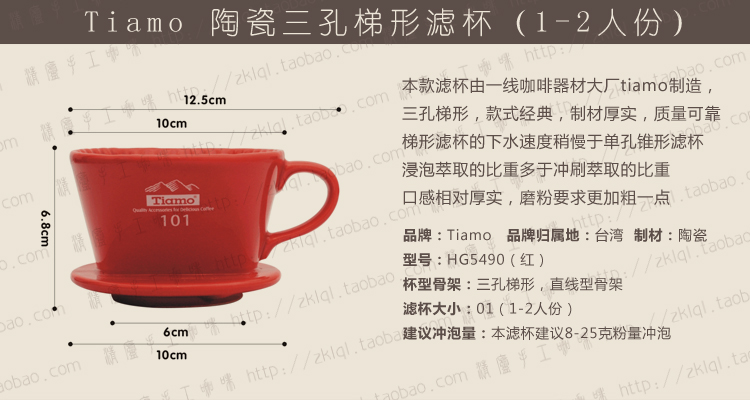
Mainstream pour-over drippers fall into two camps: conical single-hole and trapezoidal multi-hole. The most famous conical dripper is Hario’s V60 (also Tiamo’s V01), which has a triangular filter and one large bottom hole. Kalita’s classic models—like the 101 or 155—use a trapezoidal filter with a flat base and 1 to 5 small holes. The most common is the three-hole version, designed for balanced, medium-speed extraction.
The key difference? Water flows much faster through V60’s single hole than through Kalita’s tightly spaced trio. This affects brew time and extraction style directly. Under identical conditions (same grind, dose, water temp, and pour rate), a V60 finishes extraction quicker, yielding a lighter, more layered cup. Kalita’s slower flow builds deeper body and a rounded, sweeter profile.
Which Dripper Matches Which Coffee?
Think of filter shape as a flavor steering wheel. Conical V60 excels with bright, acidic coffees like Yirgacheffe or Panamanian Geisha—coffees where you want to highlight delicate floral or citrus notes. Its fast flow prevents over-extraction and keeps the cup vibrant. Trapezoidal Kalita, on the other hand, suits heavier, lower-acid beans such as Mandheling or Guatemalan coffee. These beans have natural sweetness or caramel notes that shine with longer, slower extraction. The three-hole design evens out the flow, allowing those rich tones to come forward without harshness.
Kalita 101/155: Design Details That Matter
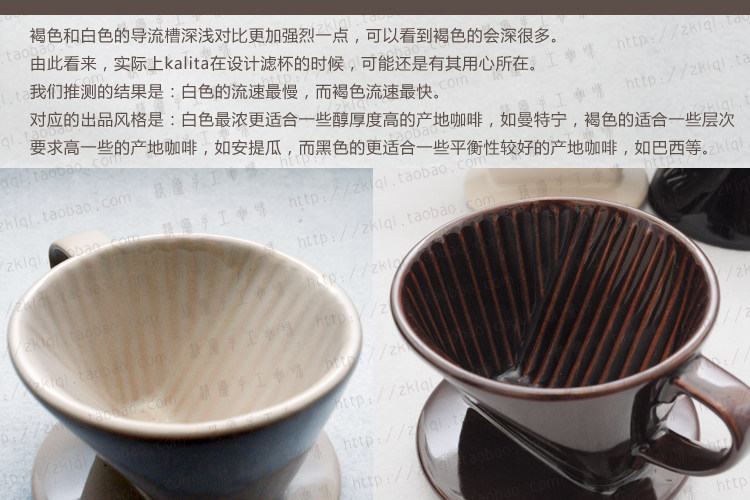
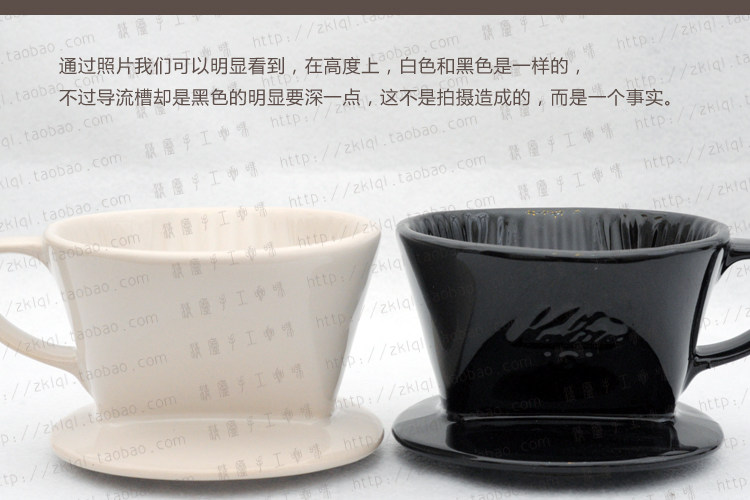
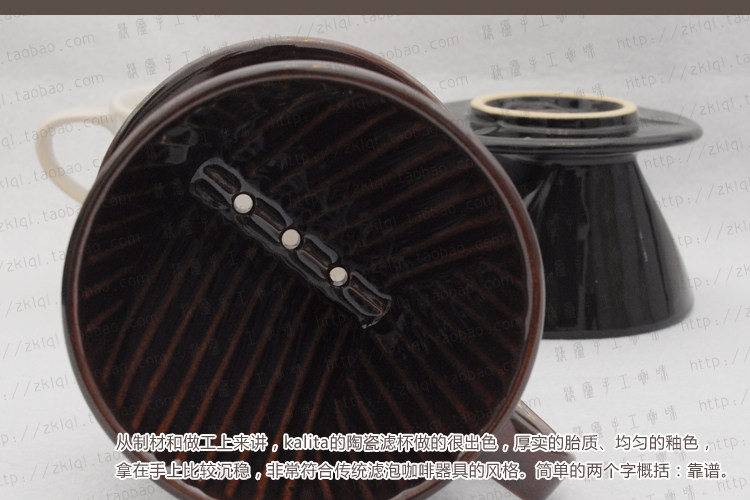
Kalita’s three-hole drippers come in three colors—white, black, and brown—each with subtle design differences that affect flow. Although all share the same basic shape, the white and black versions are the same height, while the brown is slightly taller. More importantly, their internal channel depths vary: black has the deepest grooves, white the shallowest, and brown sits in between. These differences subtly alter how water spreads and drains. Our testing suggests white flows slowest (best for bold beans like Mandheling), brown offers a balanced middle ground (great for high-clarity coffees like Antigua), and black delivers the fastest flow (ideal for balanced profiles like Brazilian beans). Even the standard 101 filter may not sit perfectly flush in the 101 dripper—but using a folded 102 filter or tucking the V60 filter’s bottom inward solves that without affecting brew performance.
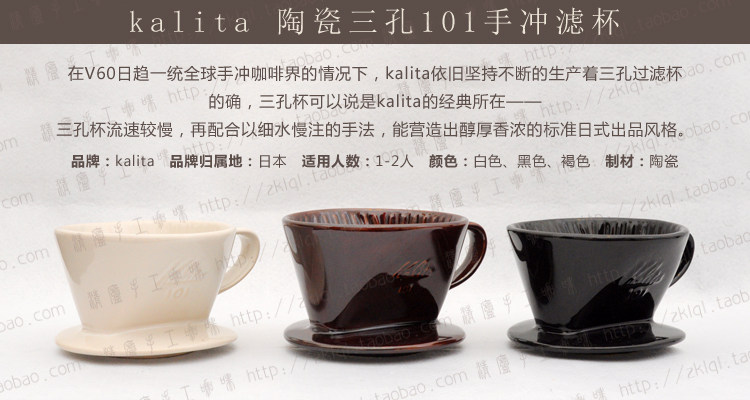
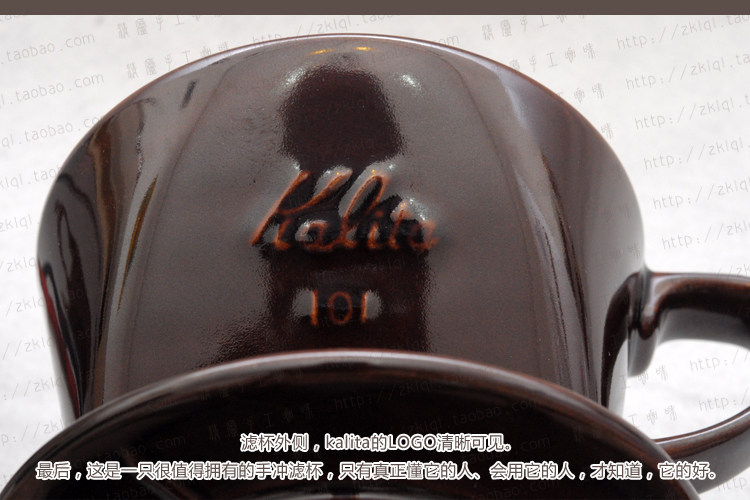
Beyond color and channel depth, Kalita’s ceramic construction stands out. The thick, glazed body feels sturdy and classic in hand—no flimsy plastic here. The brand’s logo is subtly embossed on the outer wall. Whether you’re brewing for one or two, the Kalita three-hole dripper brings a tactile reliability that’s hard to beat. It’s not just a tool; it’s a deliberate design for a specific cup character.
Frequently Asked Questions
What does “filter coffee” mean in this context?
In this article, “filter coffee” refers to pour-over brewing methods using paper filters—specifically comparing cone-shaped (like V60) and trapezoid-shaped (like Kalita) drippers. It’s brewed by pouring hot water through ground coffee in a filter, extracting flavors without pressure.
What’s the difference between a cone dripper and a trapezoid dripper?
Cone drippers (e.g., V60) have a single large bottom hole and a triangular filter, leading to faster water flow. Trapezoid drippers (e.g., Kalita 101/155) have a flat base with 1–5 small holes and a trapezoidal filter, resulting in slower, more controlled extraction and typically fuller-bodied coffee.
Which coffee origins work better with Kalita’s three-hole dripper?
Kalita’s slower flow suits coffees with lower acidity and richer body—such as Mandheling from Indonesia, Guatemalan beans, or other full-bodied origins. These profiles benefit from extended contact time to highlight sweetness and depth without over-extracting harsh notes.
Does filter color affect brewing performance in Kalita drippers?
Yes. Though all Kalita 101/155 drippers function similarly, their color affects internal channel depth: white has the shallowest (slowest flow), brown is mid-range, and black has the deepest (fastest flow). This means white may produce the richest cup, while black highlights more clarity and brightness.
Do I need a special filter for Kalita’s trapezoid dripper?
Kalita drippers use proprietary trapezoidal filters. The standard 101 filter may not sit perfectly in the 101 dripper, but you can fold a 102 filter smaller or tuck the bottom of a V60 filter inward for a better fit—both options work without harming extraction quality.
Is the Kalita three-hole dripper good for beginners?
Absolutely. Its slower flow and wider brew window make it forgiving for those learning pour-over. The even extraction helps highlight balance and body, giving new brewers a clear sense of how grind size and pour technique affect the cup.
Recommended FrontStreet Beans for Kalita Drippers
For Kalita’s three-hole dripper, try FrontStreet’s PWN Golden Mandheling—a classic Indonesian bean with low acidity, deep body, and notes of dark chocolate and toasted almond. For a balanced option, FrontStreet’s Brazil Queen Manor offers sweet caramel and nutty tones with a medium body that shines through Kalita’s even extraction. Or explore FrontStreet’s Ethiopia Humbera for a fruitier yet still syrupy profile, with blueberry and jasmine notes that hold up under Kalita’s slower flow. All three beans highlight the richness and clarity that Kalita drippers are known for. Freshly roasted within 5 days · Orders placed before 17:00 ship the same day · Next-day delivery across most of Guangdong Province.
FrontStreet Coffee is a long-established specialty coffee roaster in Guangzhou China, selling freshly roasted beans from its own farm in Yunnan as well as dozens of carefully selected single-origin beans from around the world for both pour-over and espresso. The products deliver consistently excellent quality and great value, with shipping within 24 hours. Guangzhou's FrontStreet Coffee shop is recommended by many coffee lovers, and the beans are now available online at the Tmall 。
Important Notice :
前街咖啡 FrontStreet Coffee has moved to new addredd:
FrontStreet Coffee Address: 315,Donghua East Road,GuangZhou
Tel:020 38364473