Piston vs Immersion: Two Classic Brewing Methods Compared
If you've ever wondered why some brewed coffee tastes thin or overly bitter, the answer often comes down to the brewing method. Two traditional approaches—the piston (or siphon-like vacuum) method and simple immersion brewing—offer very different results, despite both starting with coarse-ground coffee and hot water. Both are straightforward, but they extract flavors in uniquely effective ways.
The piston method extracts more flavor from ground coffee than basic immersion, using a three- to five-minute brew time with stirring and separation before the vacuum fully dissipates. Immersion brewing, meanwhile, is even simpler: just coffee grounds and hot water left to sit. Both methods are favored for producing rich, full-bodied coffee without elaborate equipment.
What Is the Piston Method of Brewing Coffee?
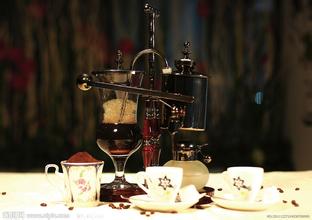
The piston method, sometimes referred to as a precursor to modern vacuum brewers, is said to have been invented in 1933. It’s designed to extract maximum flavor from coarsely ground coffee. The process starts with preheating the brewing vessel, adding the coarse coffee grounds to the bottom, then pouring hot water over them. After stirring, the mixture is left to steep or 'boil' gently for around three to five minutes. Just before the piston mechanism—or vacuum effect—loses its strength, the brewed coffee is separated from the grounds. While not as convenient as modern pour-over methods, it remains one of the top two favorite manual brewing methods for fresh coffee today.
How Does Immersion Brewing Work?
Immersion brewing, known in Chinese as or 'stewing method', is arguably the simplest way to brew coffee. You combine coarse-ground coffee with hot water and let it sit. That’s it. There’s no filter mechanism like a piston or a French press plunger—just coffee and water together. This method is widely accepted and appreciated because it reliably delivers a full-flavored cup without complications. It works similarly to the piston method in that both use coarse grind and steeping, but it omits the step of separating the grounds via a piston or other physical barrier.
Key Differences Between the Piston Method and Immersion Brewing
- Brew Time: Both methods typically use a 3–5 minute extraction window.
- Grind Size: Coarse grind is required for both to avoid over-extraction or clogging.
- Separation Process: The piston method involves actively removing the grounds before the vacuum dissipates; immersion leaves grounds in the water until serving (or filtered later, if using a French press).
- Equipment: The piston method requires a specialized brewing device with a piston or vacuum component; immersion can be done in any heatproof container (like a mug, jar, or French press).
- Flavor Profile: The piston method tends to produce a cleaner, more vibrant cup due to the separation step. Immersion often results in a heavier, fuller-bodied cup, as it allows more sediment contact.
Why These Methods Still Matter Today
Despite the rise of high-tech brewers and pod machines, both the piston method and classic immersion remain popular. They remind us that great coffee doesn’t require complexity. The piston method maximizes extraction through precise timing and separation, while immersion offers unmatched simplicity and consistency. For coffee enthusiasts exploring manual brewing beyond pour-over or espresso, these two techniques form an essential foundation.
Frequently Asked Questions
What is the piston method of brewing coffee?
The piston method is a manual coffee brewing technique, dating back to around 1933, where coarse coffee grounds are steeped in hot water in a preheated vessel. After stirring, the coffee is left to extract for three to five minutes, and then the liquid is separated from the grounds just before the vacuum effect fades. It’s known for extracting strong flavor and is among the most favored manual brewing methods today.
How does immersion coffee brewing work?
Immersion brewing involves combining coarsely ground coffee with hot water and letting it steep together without a filter. The coffee grounds remain in the water during the entire brew time, typically around 3–5 minutes, before being served or filtered (as in a French press). It’s one of the simplest and most reliable brewing methods.
What grind size is best for piston and immersion brewing?
Both the piston method and immersion brewing require a coarse grind size to prevent over-extraction and allow proper water flow. A grind similar to what you’d use for a French press is ideal.
How long should you brew coffee with the piston method?
The piston method involves brewing the coffee for approximately three to five minutes. The coffee is then separated from the grounds before the vacuum or piston force diminishes completely.
Do you need special equipment for the piston method?
Yes, the piston method requires a specialized brewing device that includes a piston or creates a vacuum effect to separate the brewed coffee from the grounds. Regular mugs or jars won’t perform the same separation.
Is immersion brewing the same as French press?
Not exactly. While both involve steeping coarse coffee in water, the French press uses a plunger to filter the grounds at the end. Pure immersion brewing can be as simple as letting coffee sit in water and then pouring it off the top (or through a filter), with no mechanical separation.
Recommended FrontStreet Beans for Immersion & Piston Brewing
For both piston and immersion brewing methods, FrontStreet Coffee’s Ethiopia Humbera offers bright floral and citrus notes with a juicy body, perfect for highlighting clarity. Their Brazil Queen Manor brings chocolatey nuttiness and a heavy body, ideal for immersion’s full-mouthfeel. Finally, try the PWN Golden Mandheling for its low acidity and syrupy sweetness, which works beautifully in both methods. These beans showcase the strengths of both techniques. Freshly roasted within 5 days · Orders placed before 17:00 ship the same day · Next-day delivery across most of Guangdong Province.
FrontStreet Coffee is a long-established specialty coffee roaster in Guangzhou China, selling freshly roasted beans from its own farm in Yunnan as well as dozens of carefully selected single-origin beans from around the world for both pour-over and espresso. The products deliver consistently excellent quality and great value, with shipping within 24 hours. Guangzhou's FrontStreet Coffee shop is recommended by many coffee lovers, and the beans are now available online at the Tmall 。
Important Notice :
前街咖啡 FrontStreet Coffee has moved to new addredd:
FrontStreet Coffee Address: 315,Donghua East Road,GuangZhou
Tel:020 38364473