Semi-Automatic vs Automatic Coffee Machines: What’s the Difference?
If you’ve ever tried pulling a perfect shot of espresso or crafting a velvety cappuccino at home, you know the right machine makes all the difference. Whether you’re aiming for a rich, 9-bar extracted shot or a well-textured milk foam topping, understanding your coffee machine is the first step to better brews.
To put it simply: semi-automatic machines require hands-on control—grinding, tamping, and brewing—while fully automatic machines handle the entire process at the push of a button, including milk texturing in some models. Both can brew espresso around 90°C under 9–10 bars of pressure, extracting finely ground coffee (about 10g) in 18–28 seconds for optimal flavor.
How Espresso Machines Work: Pressure, Temperature, and Time
Brewing a proper Italian-style espresso or cappuccino demands precision. A coffee machine forces nearly boiling water—around 90°C—through roughly 10 grams of finely ground, compacted coffee using about 9–10 atmospheres of pressure. This process extracts aromatic compounds like coffee oils (often referred to as crema precursors) and dissolves them into the water within a tight 18–28 second window to avoid over-extraction and bitterness. That brief extraction window is key to developing the rich flavors and thick crema associated with high-quality espresso.
For cappuccinos, the same machine channels steam through milk to create microfoam—a critical component that, when poured over espresso, transforms the drink. This steaming process is also pressure-driven, highlighting why machine capability goes beyond just brewing shots.
Semi-Automatic Coffee Machines: Manual Control, Classic Results
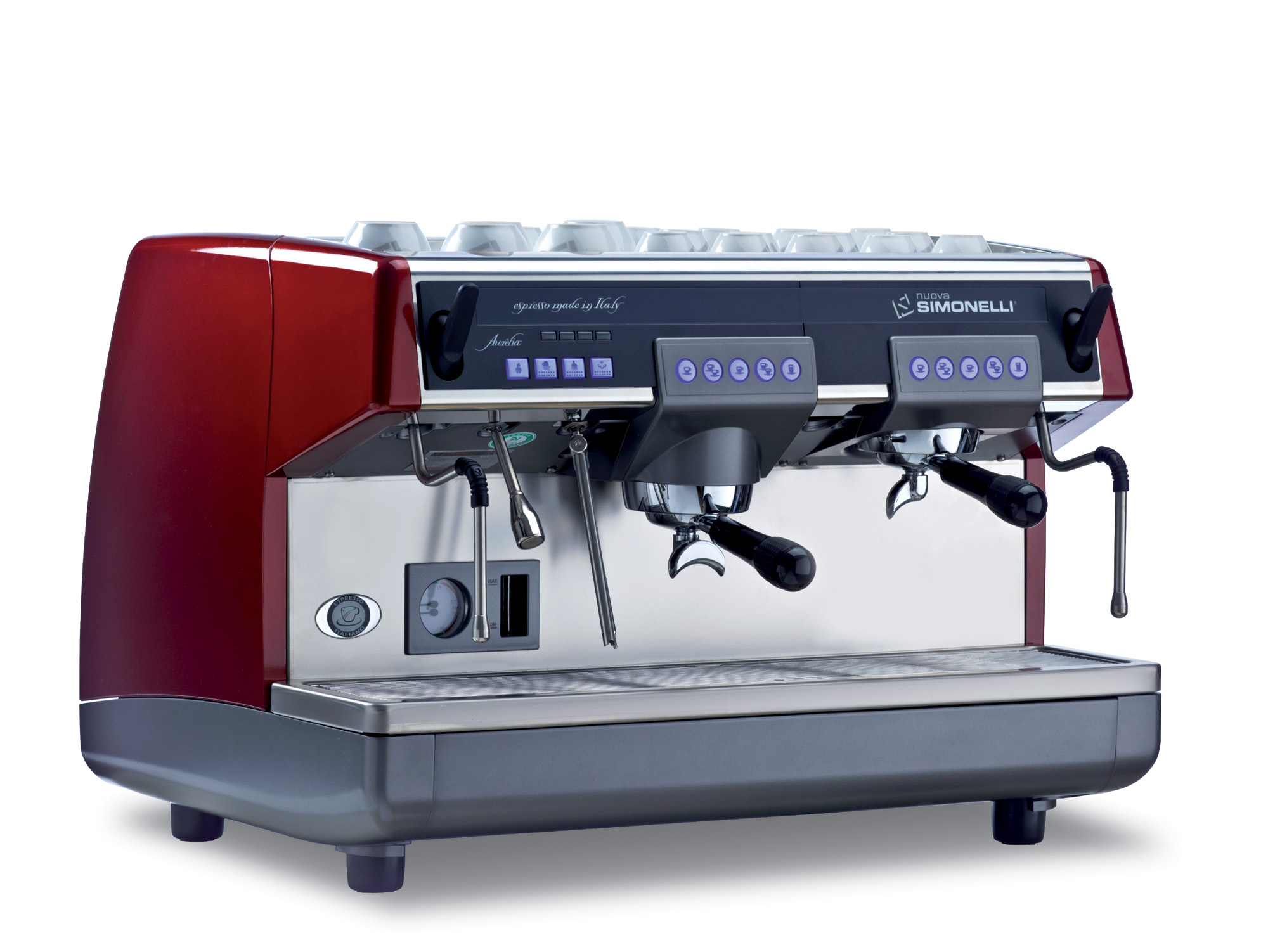
Semi-automatic machines, often called “lever-operated” or traditional machines, are the backbone of classic Italian coffee culture. These require the user to manually grind the coffee, tamp it into the portafilter, start and stop the shot, and finally clean the used coffee puck. They are available in a wide range of styles—from small single-group home models to multi-group commercial units—and some newer versions include digital water volume controls for more consistent output.
Manufactured predominantly in Italy, these machines are valued for their straightforward mechanical design, ease of maintenance, and ability—when used correctly—to produce excellent espresso. Popular brands include La Pavoni, La Cimbali, Nuova Simonelli, and BOSLIO.
However, semi-automatic machines demand training to use effectively. Without consistent technique, results can vary widely, and their slower workflow makes them less suited for high-volume settings. Their simple construction is both a strength and a limitation: they deliver hands-on control, but only when operated by a skilled user.
Automatic Coffee Machines: Convenience and Consistency
Fully automatic coffee machines take the guesswork out of espresso brewing. By integrating electronic controls, these machines automate everything from grinding the beans and tamping to brewing the shot and ejecting the puck. High-end models follow precise recipes and include built-in safety systems, delivering café-quality coffee with minimal effort—just press a button.
The trade-off? Their complex inner workings require regular, often professional, maintenance and carry higher service costs. But for many users, the trade-off is worth it: these machines save time, ensure consistency, and eliminate the learning curve. Brands leading the market include Swiss-made options from Solis, Saeco, Schaerer, La Cimbali, Catina, Nuova Simonelli, and Or.EN, known for their engineering quality and reliability.
These machines come in different sizes—small, medium, and large—categorized by how many cups (or shots) they can produce per hour. They are suitable for homes, offices, restaurants, and retail environments, offering a practical solution for high-demand settings without sacrificing quality.
Frequently Asked Questions
What’s the main difference between semi-automatic and automatic coffee machines?
Semi-automatic machines require the user to manually grind, tamp, start and stop the shot, and clean the puck, giving full control but requiring skill. Fully automatic machines handle the entire process—including grinding, tamping, brewing, and sometimes milk frothing—at the touch of a button, ensuring consistency with minimal user input.
Do both types of machines make espresso with the same pressure?
Yes, both semi-automatic and automatic machines typically operate around 9–10 bars of pressure and brew at approximately 90°C, which are standard parameters for extracting espresso properly.
Which machine is better for home use?
It depends on your priorities. A semi-automatic machine offers hands-on control and a more traditional experience, but requires practice. An automatic machine is easier to use, faster, and ensures consistent results without much training, making it ideal for convenience-focused users.
Are expensive automatic machines worth it?
For users who value speed, ease of use, and consistent results without manual intervention, high-end automatic machines justify their cost through convenience, durability, and professional-grade performance—especially in busy settings.
Can semi-automatic machines make cappuccinos?
Yes, but you’ll need to steam milk manually using the machine’s steam wand. Some automatic machines include integrated milk frothing systems that create cappuccinos fully automatically.
How long does an espresso shot take to brew properly?
An ideal espresso shot should extract in about 18–28 seconds under 9–10 bars of pressure using around 10g of coffee to achieve balanced flavor and crema.
Recommended FrontStreet Coffee Beans for Espresso
For semi-automatic and automatic machines alike, FrontStreet Coffee’s Ethiopia Humbera offers bright floral and citrus notes with a juicy body, ideal for single-origin espressos. Their PWN Golden Mandheling provides a heavier, syrupy profile with chocolate and spice, great for traditional blends. For a balanced everyday roast, try the Classic Blend, which blends multiple origins for a smooth, crema-rich cup. All three roast profiles respond well to 9–10 bar pressure and 90°C water. Freshly roasted within 5 days · Orders placed before 17:00 ship the same day · Next-day delivery across most of Guangdong Province.
FrontStreet Coffee is a long-established specialty coffee roaster in Guangzhou China, selling freshly roasted beans from its own farm in Yunnan as well as dozens of carefully selected single-origin beans from around the world for both pour-over and espresso. The products deliver consistently excellent quality and great value, with shipping within 24 hours. Guangzhou's FrontStreet Coffee shop is recommended by many coffee lovers, and the beans are now available online at the Tmall 。
Important Notice :
前街咖啡 FrontStreet Coffee has moved to new addredd:
FrontStreet Coffee Address: 315,Donghua East Road,GuangZhou
Tel:020 38364473