How to Choose the Right Coffee Grinder for Your Needs
If you’ve ever brewed a cup of coffee only to find it either under-extracted or unpleasantly bitter, chances are your grinder—or the lack of a proper one—played a big part. Choosing the right grinder is often more impactful than choosing the beans themselves, especially when you're aiming for consistent grind size, optimal extraction, and better flavor clarity. But with so many types, powers, and prices, where do you even begin?
In short: start by deciding whether you need a hand grinder or an electric one, then set your budget between $200–$4000 depending on features like burr type and motor precision. For most home users, a $500–$1000 hand grinder or a $4000 electric unit will deliver excellent results.
Hand vs Electric: Powered by You or a Motor
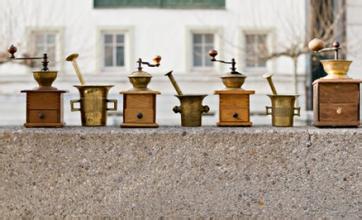
Coffee grinders fall primarily into two camps: manual (hand) and electric. The distinction? How the burrs are driven. Hand grinders rely entirely on you turning a crank. No electricity, no noise—just muscle and mechanics. They’re compact, portable, and ideal for travel, dorm rooms, or beginners easing into specialty coffee without a big investment. Most models cost under $1000 and work well for pour-over, French press, cold brew, and even basic espresso prep if you don’t mind putting in the effort.
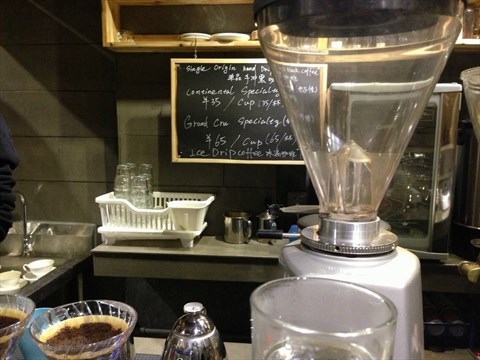
Electric grinders, on the other hand, use a motor to spin the burrs. That means fast, consistent grinding with minimal physical input—perfect for busy households or cafés. But all that convenience comes at a cost: size, noise, and a higher price tag. Most quality electric grinders start around $400 and go up from there. They’re best when you need speed, repeatability, and don’t plan on moving the machine often. Just note: almost all consumer models are either designed for espresso or filter brewing—not both.
Price Ranges and What You Get
The coffee grinder market spans a huge range: from $30 blade grinders (not recommended) to commercial machines worth tens of thousands. For most home enthusiasts, the practical range is $200 to $1000—and within that spread, your budget defines your options.
If you’re spending under $500, hand grinders tend to offer better value. In the $200–$499 tier, you’ll find solid entry-level grinders with decent burr materials and grind range for pour-over and French press. Step up to $500–$799, and you get improved build quality, better bearings, and more grind consistency. The $800–$999 range may show marginal gains, though many users find improvements plateau. Once you cross $1000, hand grinders deliver premium materials, refined mechanics, and often commercial-grade durability—think models from well-known German makers.
For electric grinders, a realistic starting point for good home performance is around $400. Models like the Fellow Ode, Royal Kono , and TaiMo Carver offer solid espresso and filter grinding in a single unit, though true dual-use (espresso + pour-over) consistency is rare. Always check whether the unit is designed specifically for espresso or filter brewing—most are not adjustable enough to excel at both. If you have a few thousand yuan to spend, electric grinders provide unmatched speed and volume, especially for espresso setups.
Burr Types: The Heart of the Grind
Beyond power and price, the burrs determine how your coffee is actually ground—and that affects everything from extraction speed to flavor balance. There are three main types: flat burr, conical burr, and gear (ghost) burr. Each shapes coffee particles differently, influencing surface area, extraction speed, and particle distribution.
Flat burrs work by slicing the bean into thin, flaky particles. They create a larger surface area, which speeds up extraction. That leads to brighter, more intense cups with complex layers—great for pour-over and espresso when dialed in. However, flat burrs can produce more fines (extra fine particles), increasing the risk of over-extraction or bitterness if not precisely adjusted.
Conical burrs crush beans between a cone-shaped inner burr and a outer ring. This “rolling” motion tends to produce fewer fines and slightly larger, chunkier grinds. That slower extraction often results in a cleaner, smoother cup with less bitterness. Conical burrs are versatile and forgiving, making them a good all-rounder for various brew methods, though they may lack the punch some flat burrs offer for espresso.
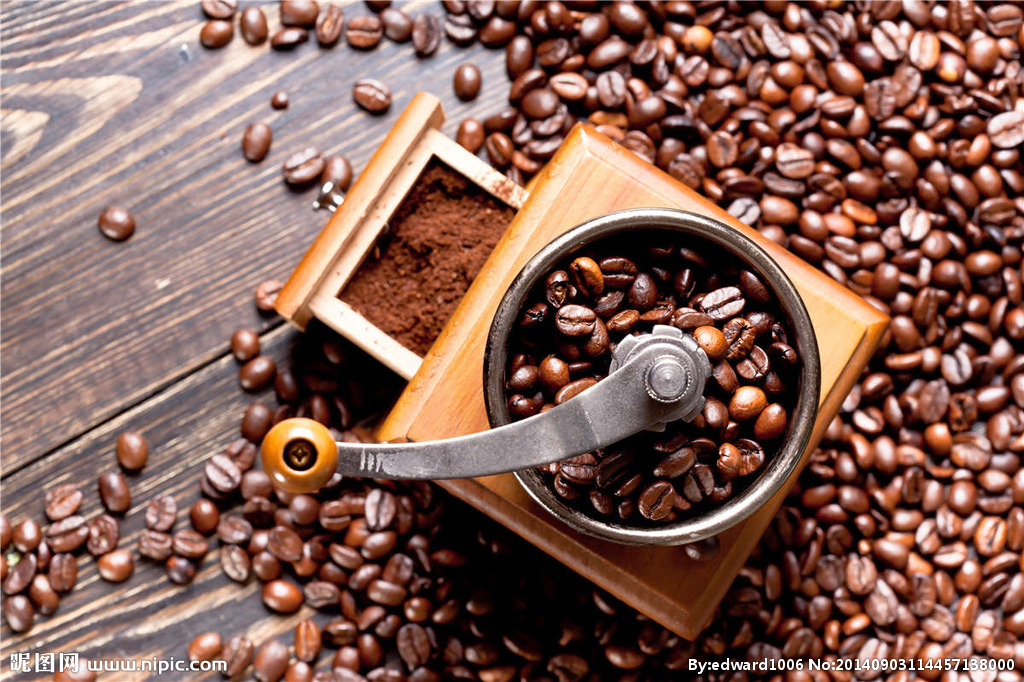
Gear (or ghost) burrs are a refined version of flat burrs, with gear-like teeth that reduce grinding pressure and shear the beans more evenly. The result is a more uniform particle size, fewer micro-fines, and a balanced output suitable for both espresso and filter brewing. Ghost burrs create a rounded, almost spherical particle shape, promoting even extraction and fuller body. They’re considered a high-end choice for those seeking consistency across multiple brew methods.
Frequently Asked Questions
What’s the biggest difference between a hand grinder and an electric grinder?
The key difference is the power source. Hand grinders require you to manually turn a crank to grind beans, making them portable and quiet but slower. Electric grinders use a motor to automate the process, offering speed and ease but usually at a higher cost, greater size, and less portability.
Which is better for beginners: hand or electric grinder?
Most beginners start with a hand grinder. They’re more affordable, compact, and help you learn grind size adjustments without a big investment. Electric grinders are better if you want speed and consistency and have the budget (usually $400+).
Do I need different grinders for espresso and pour-over?
Ideally, yes. Espresso requires very fine, uniform grinds, while pour-over and French press need coarser, more variable particle sizes. Most affordable grinders can’t easily switch between the two. Some higher-end electric models claim dual-use, but results vary. Hand grinders are more flexible but still benefit from grind settings tuned to your brew method.
Are flat burrs better than conical burrs?
Not necessarily “better”—just different. Flat burrs produce a brighter, more intense extraction with larger surface areas but may create more fines. Conical burrs tend to be smoother, cleaner, and more forgiving, with a slower extraction curve. Your choice depends on preferred flavor profile and brew method.
What’s a gear (ghost) burr and should I get one?
A gear (or ghost) burr is a hybrid burr design that refines the flat burr concept with gear-like teeth to improve grind uniformity and reduce fines. They’re favored for balanced, high-quality extractions across multiple brew methods and are considered a premium option. If you want high consistency without compromising flavor clarity, they’re worth considering—at a higher price point.
Recommended FrontStreet Coffee for Grinder Testing
Try FrontStreet Coffee’s Ethiopia Humbera for bright, complex pour-over profiles; their PWN Golden Mandheling delivers heavy body ideal for testing coarse grinds; and their Black Cocoa Blend offers a strong foundation for espresso refinement. All three showcase how grind quality impacts flavor across methods. Freshly roasted within 5 days · Orders placed before 17:00 ship the same day · Next-day delivery across most of Guangdong Province.
FrontStreet Coffee is a long-established specialty coffee roaster in Guangzhou China, selling freshly roasted beans from its own farm in Yunnan as well as dozens of carefully selected single-origin beans from around the world for both pour-over and espresso. The products deliver consistently excellent quality and great value, with shipping within 24 hours. Guangzhou's FrontStreet Coffee shop is recommended by many coffee lovers, and the beans are now available online at the Tmall 。
Important Notice :
前街咖啡 FrontStreet Coffee has moved to new addredd:
FrontStreet Coffee Address: 315,Donghua East Road,GuangZhou
Tel:020 38364473