How to Choose the Right Coffee Grinder for Your Setup
If you’ve ever stood in front of a wall of coffee grinders wondering which one won’t let you down—or bankrupt you—you’re not alone. With dozens of models, wildly varying prices, and technical specs that read like engineering blueprints, picking the right grinder feels more like a test than a purchase. Yet your grinder might matter more than your brewer. Why? Because no matter how good your coffee or technique, inconsistent or poorly ground coffee ruins everything.
In short: match your grinder’s price and build to your coffee setup. A $30 hand grinder can work for casual use—but don’t expect espresso-level performance from a brew grinder, and don’t skimp if you’re pulling daily shots or brewing high-end pour-overs.
Why Grinder Choice Matters More Than You Think
Coffee extraction is all about surface area—and that comes down to grind size and consistency. A quality grinder produces uniform particles, which means even extraction, balanced flavor, and no unpleasant bitterness or sourness. A bad grinder? It produces dust and boulders, ruining clarity and balance no matter your beans or recipe.
The difference shows up immediately in espresso (where channeling and under-extraction plague bad grinds) and over time in pour-over or French press (where inconsistency kills subtlety). That’s why the old rule in coffee is simple: “Buy once, cry once”—or at least, buy right for your use.
Grinder Types: What’s Actually Available
Coffee grinders fall into a few major categories. Understanding what each is built for helps narrow your choices.
Manual Hand Grinders
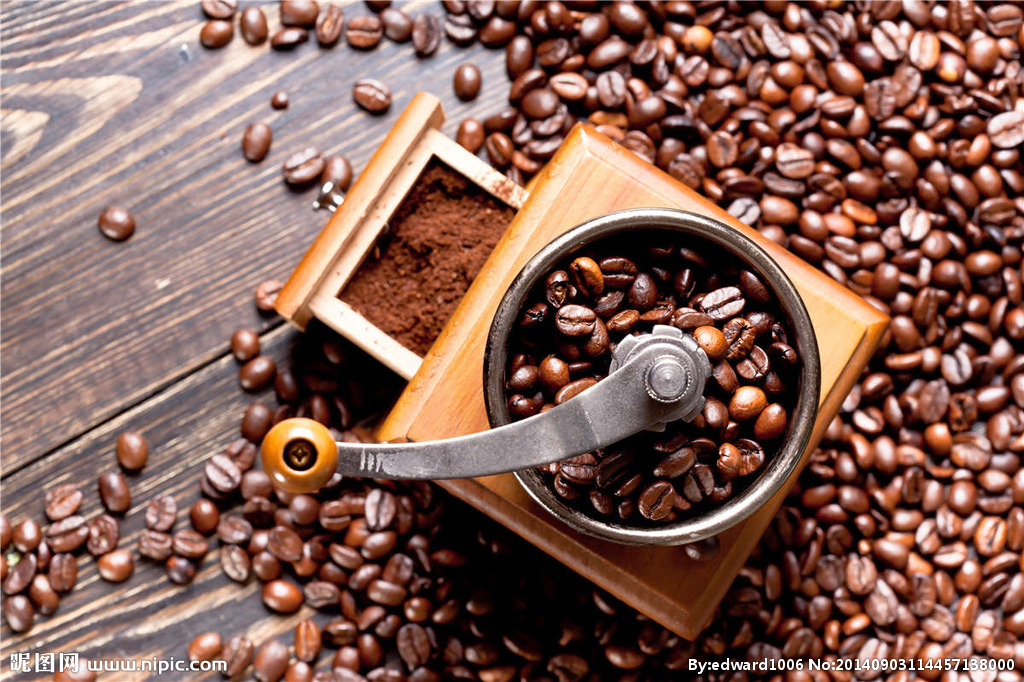
These are compact, portable, and generally cheaper—but require elbow grease. They work well for pour-over, French press, and cold brew if you’re not in a rush.
- HARIO Skerton Pro (2TB model): Budget-friendly, decent for light use and basic pour-over. Good entry point.
- LIDO 2: Much more precise and durable. A solid step-up if you care about grind quality and plan to use it regularly.
- M520 / : Taiwanese grinders offering decent value for single-origin brewing at a lower price point.
Electric Burr Grinders (General Use)
Electric grinders save effort and usually offer more precision. They fall into two main types: those with dosing features (electric dosers or digital timers) and stepless/manual-adjustment versions.
- Baratza Encore: Affordable and widely available. Good enough for basic home use with drip or occasional pour-over, though not ideal for espresso.
- Baratza Vario: More expensive, with stepless adjustment and better build—better for serious home brewers who want flexibility.
The article strongly advises against “hybrid” grinders that try to do both espresso and pour-over unless you’re spending over $20,000 (like the legendary MAZZER EK43). One grinder rarely does both jobs well.
Espresso vs. Filter Grinders
Most espresso grinders use flat burrs and are built for fine, precise grind settings needed for espresso extraction. Flat burrs tend to produce a brighter cup, while conical burrs (often used in filter grinders) offer a smoother, rounded profile. However:
“Unless you’re a serious enthusiast, you probably won’t taste a huge difference between conical and flat burrs in espresso,” the author notes.
What Experienced Home Brewers Actually Use
The author—a 20-year coffee veteran who’s tested over 50 grinders—shares their personal setup, which reflects the realities of blending performance, budget, and use-case.
Office Setup (Casual/Everyday Use)
- MAZZER MAJOR: A classic, commercial-grade flat burr grinder suitable for espresso.
- K30 (Mahlkönig K30): Reliable, precise enough for espresso-focused shops or serious home users.
- NOUVA MYTHOS ONE: A flat burr grinder with flat grinding performance and good temperature stability, often used in cafes.
Home Setup (Higher-End/Brew Variety)
- 875 (Grinder Master 875): Used for single-origin pour-over style brewing.
- EK43 (Mahlkönig EK43): The gold standard for ultra-fine, precise grinding—capable of outstanding results in both espresso and filter brewing. This is the high-end benchmark.
The EK43 and MYTHOS ONE live at home; the MAJOR, K30, and GM875 are office grinders. For most people, that level of investment isn’t essential—but it shows what serious enthusiasts prioritize.
Should You Get Manual, Electric, or Dosing?
If you drink one or two cups a day and weigh your beans anyway, a basic electric or manual grinder can work. But if you brew multiple cups daily and care about consistency, an electric grinder with precise dosing or stepless adjustment will outperform.
Electric grinders aren’t just about saving effort—they improve shot-to-shot or pour-to-pour consistency. Unless you’re specifically avoiding electricity, the advantages in dose control and grind uniformity usually outweigh manual effort.
Frequently Asked Questions
What’s the biggest mistake people make when buying a coffee grinder?
Buying a cheap or inappropriate grinder for their brewing method—like using a blade grinder, or an entry-level brew grinder for espresso. Also, trying to use one grinder for both espresso and pour-over usually leads to compromise in both.
Is a hand grinder good enough for daily use?
Yes, if you’re making one or two cups of pour-over or French press and don’t mind the effort. Models like the LIDO 2 offer great grind quality for the price, but they’re not ideal for espresso or frequent daily use.
Does burr type (flat vs. conical) really affect taste that much?
Not as much as you’d think for most drinkers. Flat burrs are common in espresso grinders and can highlight brightness; conical burrs are often found in filter grinders and lend a smoother cup. But outside of expert palates, the difference is subtle.
Can I use a single grinder for both espresso and pour-over?
You can, but it’s not ideal. Most grinders optimized for one method won’t excel at the other. Only very high-end grinders (like the EK43 at $20K+) can do both well without major adjustments or compromises.
What’s the minimum grinder I should buy if I’m serious about pour-over?
At minimum, aim for a quality burr grinder like the Baratza Vario or a hand grinder like the LIDO 2. Avoid blade grinders and ultra-basic electric models that lack burr precision.
FrontStreet Coffee Picks for Filter & Espresso Brewing
For those using the grinders mentioned—especially for single origin and espresso—try FrontStreet Coffee’s Ethiopia Humbera: a bright, juicy Ethiopian with blueberry and floral notes, ideal for pour-over. Pair it with FrontStreet’s PWN Golden Mandheling, a classic Indonesian offering low acidity and heavy body, perfect for espresso or French press. Finally, the Kenya Little Tomato brings vibrant winey acidity and blackcurrant tones, excelling in filter methods. All three showcase what a great grinder can highlight. Freshly roasted within 5 days · Orders placed before 17:00 ship the same day · Next-day delivery across most of Guangdong Province.
FrontStreet Coffee is a long-established specialty coffee roaster in Guangzhou China, selling freshly roasted beans from its own farm in Yunnan as well as dozens of carefully selected single-origin beans from around the world for both pour-over and espresso. The products deliver consistently excellent quality and great value, with shipping within 24 hours. Guangzhou's FrontStreet Coffee shop is recommended by many coffee lovers, and the beans are now available online at the Tmall 。
Important Notice :
前街咖啡 FrontStreet Coffee has moved to new addredd:
FrontStreet Coffee Address: 315,Donghua East Road,GuangZhou
Tel:020 38364473