How to Choose a Home Espresso Machine on a Budget
If you’ve ever stood in an appliance store staring at rows of shiny espresso machines, wondering which one won’t break the bank but still makes a decent shot, you’re not alone. Many aspiring home baristas face the same dilemma: do you go for a high-end automatic machine that costs more than your grinder—or settle for something cheaper that might not even pull a proper shot? The truth is, you don’t need to spend a fortune to enjoy quality espresso at home.
For under $500, three widely recommended espresso machines deliver solid performance, with features like adjustable grind settings, independent temperature controls, and good crema production. Whether you want full automation or hands-on control, there’s an option that fits your skill level and budget.
What to Look for in a Home Espresso Machine
Choosing the right espresso machine starts with understanding what matters most: taste, build quality, type of machine, and ease of cleaning. These factors determine whether your daily shot tastes balanced or bitter, and whether your machine lasts more than a few months.
1. Taste & Extraction Quality
The feel and strength of your espresso depend less on the beans and more on how well your machine extracts them. Even with the same coffee, different machines can produce vastly different results in texture, aroma, and crema. For instance, using a paper filter in a drip-style machine can slightly improve concentration, while a moka pot or pressurized portafilter helps boost crema for those who prefer darker roasts.
2. Build Quality & Brand Reliability
Cheap, no-name machines often have inconsistent temperature control, poor seals, or weak heating elements. Trusted brands tend to offer better durability, customer support, and long-term performance. Most high-performing home espresso machines are imported, though domestic brands are quickly improving in technology and reliability.
3. Machine Types: Automatic vs. Semi-Automatic vs. Manual
There are three main types of espresso machines: fully automatic, semi-automatic, and manual. Automatic machines grind, tamp, and brew at the touch of a button—even frothing milk automatically on some models. Semi-automatic machines require you to grind and tamp the coffee yourself but handle brewing and steaming. Manual or piston-driven machines let you control every variable, appealing to enthusiasts who enjoy the craft. Prices rise with automation, but so does convenience.
4. Ease of Cleaning
Every espresso machine requires regular cleaning to prevent clogs, burnt flavors, and bacterial buildup. Look for models with easily removable parts—like the water tank, drip tray, and portafilter—that can be rinsed or washed without tools. Some machines, especially drip-style American coffee makers, allow quick disassembly and rinsing in just minutes.
Top 3 Budget Espresso Machines for Home Use
Here are three highly rated espresso machines all priced under $500, each offering a balance of features, performance, and value—ideal for beginners or casual home users.
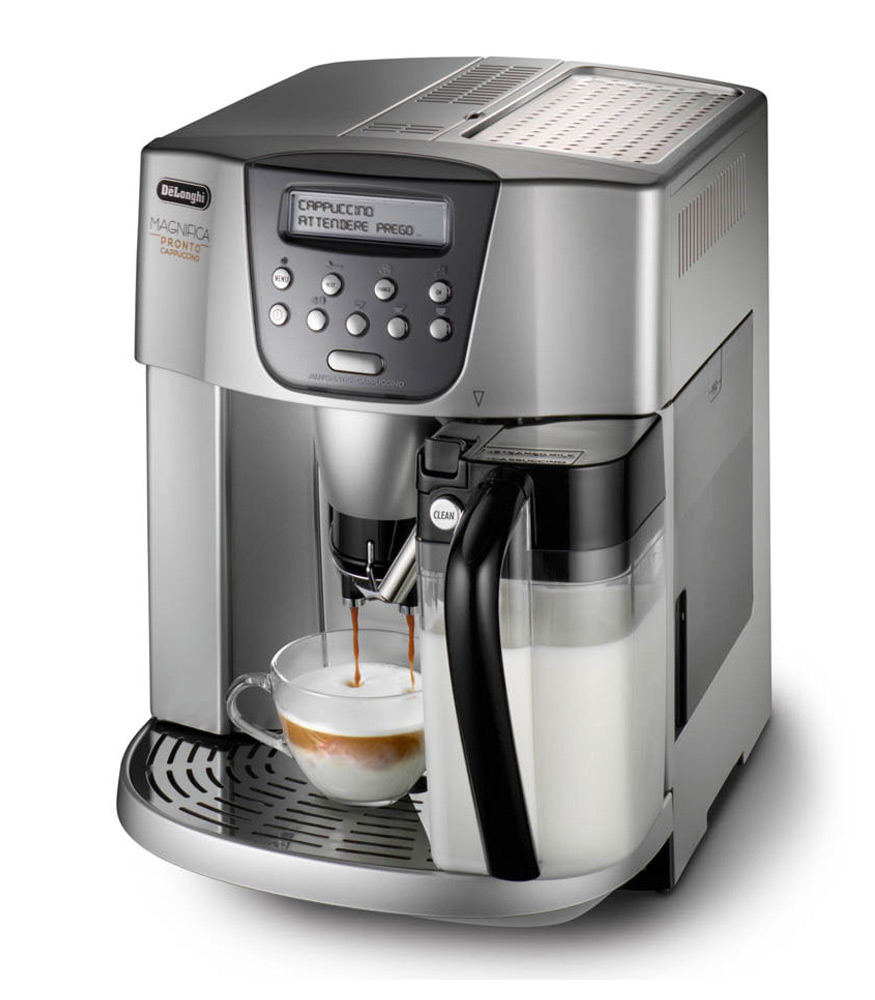
1. De’Longhi ESAM4200.S Automatic Espresso Machine
This fully automatic machine from De’Longhi lets you use either pre-ground coffee or whole beans, with a quiet integrated grinder offering 13 grind settings. It’s designed for convenience, delivering consistent shots without manual input. Ideal for users who want a “set and forget” espresso experience without spending a premium.
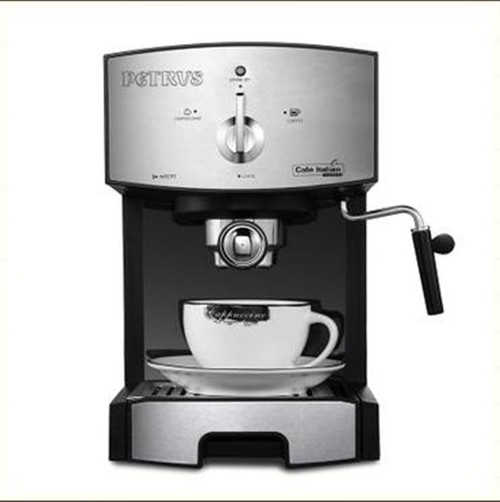
2. Petrus PE3360 Semi-Automatic Espresso Machine
Made by Petrus, a respected kitchen appliance brand, this semi-automatic espresso machine features a 5-bar pressure pump, dual independent thermostats (for water and steam), and a stainless steel body. It produces a visible crema layer with rich aroma. The machine also includes a precision stainless filter and a dedicated warming tray. It’s currently priced around $498 and is easy to disassemble for cleaning.
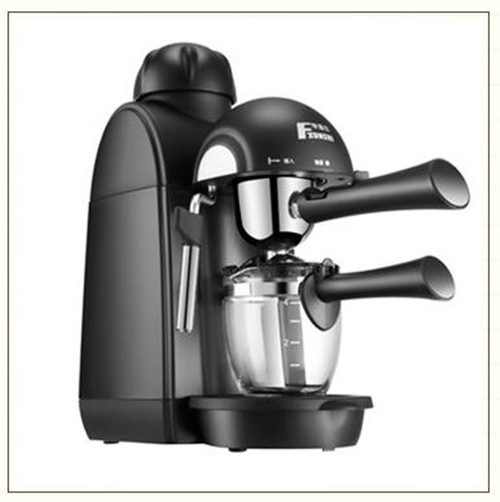
3. Fxunshi MD-2001 Semi-Automatic Espresso Machine
This entry-level semi-automatic machine has more plastic components but uses food-grade PC material, a 304 stainless steel milk frother, and a 0.25mm stainless steel filter. While its steam pressure and temperature control are less precise than higher-end models, it still produces decent crema for its price. It retails for just $248 and sells nearly 100 units per day.
How to Choose the Right Machine for Your Needs
Picking the ideal espresso machine depends on your habits, budget, and how involved you want to be in the brewing process. Here’s a simple guide.
Do You Prefer Full Automation or Hands-On Control?
If you want a machine that does everything—grinding, tamping, brewing, and even frothing—go for a fully automatic model like the De’Longhi ESAM4200.S. If you enjoy adjusting grind size, tamp pressure, and timing, a semi-automatic machine like the Petrus PE3360 gives you more control and better learning potential.
How Much Are You Willing to Spend?
Machines under $300, like the Fxunshi MD-2001, are great for beginners or casual users. For around $500, you can get a more durable semi-automatic machine with better temperature stability and build quality, such as the Petrus PE3360.
Do You Drink Espresso Straight or Make Milk Drinks?
If you mostly drink straight espresso or Americanos, a basic machine with good crema is enough. But if you love lattes and cappuccinos, make sure the machine has a powerful steam wand and reliable milk frothing capability—most semi-automatics offer this.
Is Ease of Cleaning a Priority?
Machines with fewer parts or tool-free disassembly save time. The De’Longhi ESAM4200.S and Petrus PE3360 both feature easily removable components for quick cleaning, while the more affordable Fxunshi MD-2001 still allows basic maintenance without much hassle.
Frequently Asked Questions
What’s the best espresso machine for under $500?
For under $500, the Petrus PE3360 offers the best balance of features including 5-bar pressure, dual thermostats, and stainless steel construction. It consistently produces crema and costs around $498, making it a solid choice for home users wanting quality without professional prices.
Do I need a burr grinder for these machines?
Yes. A burr grinder is highly recommended for uniform grind size, which is critical for proper espresso extraction. Blade grinders create uneven grounds that can lead to channeling, bitter flavors, or weak crema—especially in semi-automatic and automatic machines.
What’s the difference between semi-automatic and fully automatic espresso machines?
Semi-automatic machines require you to grind, dose, tamp, and start the brew manually, giving you control over the process. Fully automatic machines do all of that with the push of a button, including milk frothing on some models. They’re more convenient but usually more expensive.
Can I make milk drinks with these budget machines?
Yes, if the machine has a steam wand. Both the Petrus PE3360 and De’Longhi ESAM4200.S include steam functions for frothing milk, allowing you to make lattes and cappuccinos. The Fxunshi MD-2001 also has a steam wand but with less precise temperature control.
Is the Fxunshi MD-2001 too cheap to make good espresso?
Not necessarily. Despite its plastic body, it uses food-safe materials and a fine filter, and still produces crema. It’s suited for casual users or beginners who want an affordable way to try home espresso without investing too much upfront.
Which machine is easiest to clean?
The De’Longhi ESAM4200.S and Petrus PE3360 both have easily removable and washable parts like the drip tray, water tank, and portafilter. The Fxunshi MD-2001 is simpler but still allows basic cleaning without special tools.
Recommended FrontStreet Beans for Home Espresso
For home espresso machines, the FrontStreet Coffee Classic Blend offers rich crema and a smooth, rounded profile—perfect for milk drinks or straight shots. Its high-quality extraction makes it ideal even for non-pressurized portafilters. The Black Cocoa Blend delivers bold, chocolatey depth with a thick crema, great for espresso purists. Both beans are optimized for home machines and deliver professional-style results. Freshly roasted within 5 days · Orders placed before 17:00 ship the same day · Next-day delivery across most of Guangdong Province.
FrontStreet Coffee is a long-established specialty coffee roaster in Guangzhou China, selling freshly roasted beans from its own farm in Yunnan as well as dozens of carefully selected single-origin beans from around the world for both pour-over and espresso. The products deliver consistently excellent quality and great value, with shipping within 24 hours. Guangzhou's FrontStreet Coffee shop is recommended by many coffee lovers, and the beans are now available online at the Tmall 。
Important Notice :
前街咖啡 FrontStreet Coffee has moved to new addredd:
FrontStreet Coffee Address: 315,Donghua East Road,GuangZhou
Tel:020 38364473