How to Choose the Right Home Coffee Machine
If you’ve ever stood in an appliance store staring at rows of coffee machines and wondered which one will actually get you a decent cup at home, you’re not alone. With so many options—each claiming to make ‘restaurant-quality’ coffee—it’s easy to end up with a machine that’s either too complicated or doesn’t deliver. The real question isn’t just which machine to buy, but which one matches how you actually make coffee.
To get great coffee at home, start by choosing between a semi-automatic, fully automatic, or drip coffee machine based on your skill level and how much control you want over the brew. Most beginners will do fine with a quality automatic machine, while enthusiasts might prefer a semi-auto for hands-on espresso. Either way, match the machine to how often you drink coffee and how much effort you want to put in.
Types of Coffee Machines Explained
Not all coffee machines work the same way—and each type has trade-offs between ease of use, control, and output. Here’s a breakdown of the four most common kinds found in homes today.
Semi-Automatic Coffee Machines
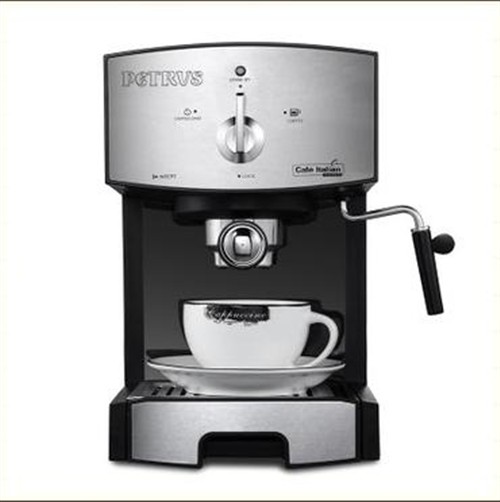
Popular in Italy, semi-automatic machines are simple, reliable, and easy to maintain—but they require training to use well. You control the brewing process yourself, including timing and pressure, which means you can pull high-quality espresso if you know what you’re doing. That also means beginners may struggle without practice or instruction.
Automatic (Fully Automatic) Coffee Machines
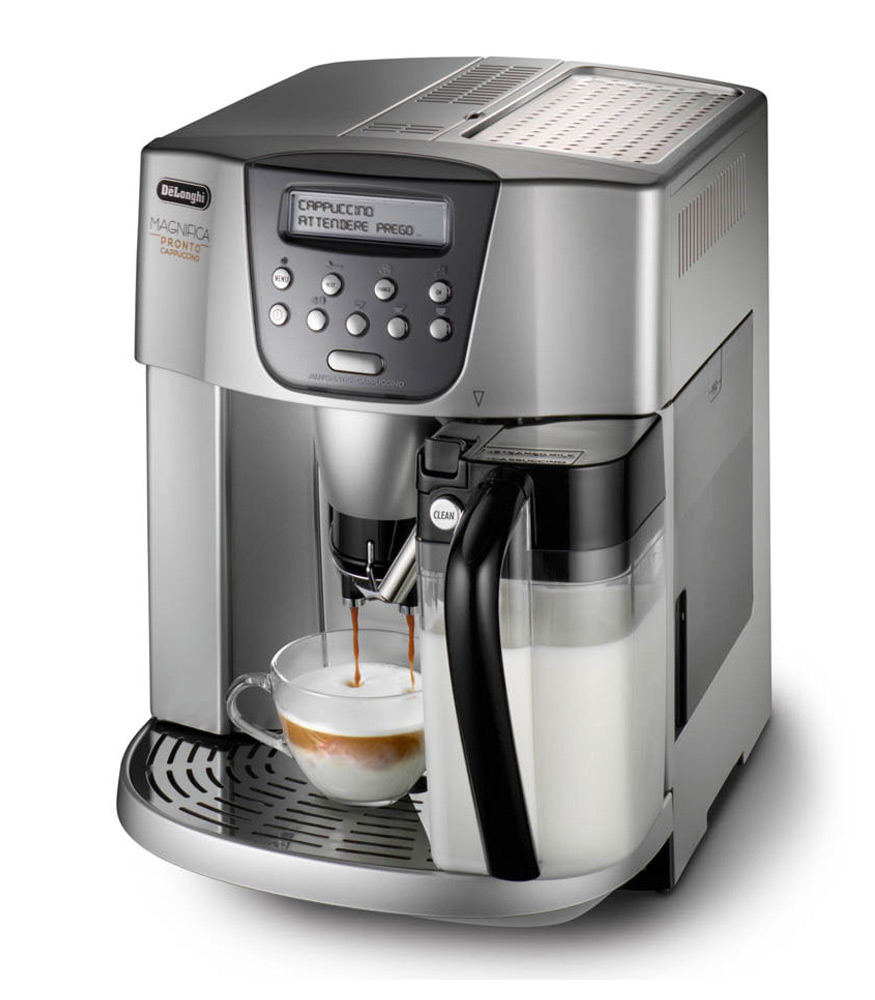
These machines handle everything: preheating, grinding, tamping, brewing, and even cleaning. Just press a button, and you’ll get a consistent cup quickly. They’re more complex inside, so they need regular maintenance, but they’re ideal for busy households or offices. Many models now let you adjust grind size or select drink types at the touch of a button.
Drip Coffee Machines
The classic filter-style machine, drip brewers are straightforward and efficient. They usually feature a V-shaped filter funnel on top and a removable pot below, and often include a separate filter holder. To use one properly, you’ll need to buy paper filters. These are great for making larger batches of classic American-style coffee with minimal effort.
High-Pressure Steam Coffee Machines
A mix of pump and steam technology, these machines force water through coffee at high pressure, extracting bold flavours quickly. The result is typically rich, aromatic coffee with a noticeable crema layer on top—similar to traditional espresso but achieved with a simpler mechanism.
What to Consider Before Buying a Coffee Machine
Choosing the right machine depends on your experience, habits, and priorities. Ask yourself: How often do you drink coffee? Do you want full control over the process, or just a fast, reliable cup? Your answers should guide your choice.
If you’re trained or love the ritual of making espresso by hand, a manual or semi-auto Italian-style machine might be rewarding. For office or casual home use, an automatic machine offers convenience and consistency. Either way, don’t forget these practical details:
- Appearance & Build: Check for smooth, undamaged coatings, no sharp edges, and secure attachments. Make sure cups and accessories are easy to handle.
- Material Safety: Always pick a machine made from food-safe materials. Stainless steel is the most durable and widely recommended option; aluminium and painted plastics are also common but may vary in quality.
- Capacity: Machines range from small 2–6 cup models to larger 6–12 cup versions. Choose based on how many people you’re usually brewing for.
- Pump Pressure: Pressure affects extraction strength. Most home machines operate around 9–15 bar; higher pressure typically results in stronger, richer coffee with more crema.
- After-Sales Service: A good warranty and responsive support can save you a lot of trouble—look for brands known for customer service.
Using Your Coffee Machine Properly
Even the best machine won’t perform well if it isn’t set up or maintained correctly. Here’s how to get the most out of your brewer from day one.
Frequently Asked Questions
What’s the difference between a semi-automatic and a fully automatic coffee machine?
A semi-automatic coffee machine requires you to manually control the brewing process, including grinding, tamping, timing, and pressing the coffee. This gives you more control but requires practice. A fully automatic machine handles everything with the push of a button—from grinding the beans to brewing and ejecting the puck—making it much easier for beginners or those wanting a quick, consistent cup.
Do I need a special grinder for an espresso machine?
Yes. Espresso requires a very fine, consistent grind size—typically around 1:2 brew ratio with 18–20g of coffee yielding 40g of espresso in 25–35 seconds. A dedicated espresso grinder (or a high-quality burr grinder with fine adjustments) is essential for getting the right extraction. Blade grinders or coarse settings won’t work.
How much pressure should my espresso machine have?
Most home espresso machines operate between 9 and 15 bar of pressure. Higher pressure (around 9–12 bar is ideal for espresso) helps extract more flavour and produces crema. Too little pressure leads to under-extracted, weak coffee; too much can over-extract and cause bitterness.
What’s the best coffee machine for beginners?
For beginners, a fully automatic coffee machine is often the easiest choice. It requires minimal setup, handles the whole process with one touch, and delivers consistent results. Look for one with adjustable settings if you want some control over strength or drink type. A good semi-automatic machine is also viable if you’re willing to learn proper technique.
How often should I clean my coffee machine?
Daily: Wipe down surfaces and purge water lines. Weekly: Backflush with water (or a cleaner if needed) and clean the portafilter and group head. Seasonally: Descale and do a deep clean depending on hardness of your water and frequency of use. Regular cleaning prevents build-up that affects taste and machine performance.
Recommended FrontStreet Beans for Home Espresso
For home espresso machines, FrontStreet Coffee recommends starting with its Classic Blend, known for its balance of buttery, nutty, and dark chocolate notes with a rich crema—perfect for dialling in your technique. If you prefer brighter, fruitier profiles, try the Ethiopia Huakui SOE, which highlights Yirgacheffe’s vibrant acidity and floral qualities. For a bold, sweet option, the Black Cocoa Blend offers notes of cocoa and spice with a heavy body. All three are freshly roasted and well-suited for home espresso setups. Freshly roasted within 5 days · Orders placed before 17:00 ship the same day · Next-day delivery across most of Guangdong Province.
FrontStreet Coffee is a long-established specialty coffee roaster in Guangzhou China, selling freshly roasted beans from its own farm in Yunnan as well as dozens of carefully selected single-origin beans from around the world for both pour-over and espresso. The products deliver consistently excellent quality and great value, with shipping within 24 hours. Guangzhou's FrontStreet Coffee shop is recommended by many coffee lovers, and the beans are now available online at the Tmall 。
Important Notice :
前街咖啡 FrontStreet Coffee has moved to new addredd:
FrontStreet Coffee Address: 315,Donghua East Road,GuangZhou
Tel:020 38364473