How to Choose Coffee Beans from El Salvador
When you’re browsing specialty coffee beans and see ‘El Salvador’ on the label, what should you expect—and more importantly, what makes it worth your attention? Many coffee drinkers overlook Salvadoran beans, assuming they’re just another mild Central American origin. But the country’s high-altitude farms, volcanic soils, and unique processing methods yield coffees with surprising complexity and balance. If you’ve ever wondered whether there’s more to Salvadoran coffee than meets the eye, here’s everything you need to know before buying.
If you want a great Salvadoran coffee, look for beans labeled SHG (Strictly High Grown), grown above 1200 meters—like those from Finca Ataisi at 1800m—and processed using washed and sun-dried methods. Varieties such as Pacamara offer flavors of strawberry, chocolate, and tropical fruit. These beans typically come from smallholder farms and are harvested between November and March.
Why El Salvador Produces Unique Coffee
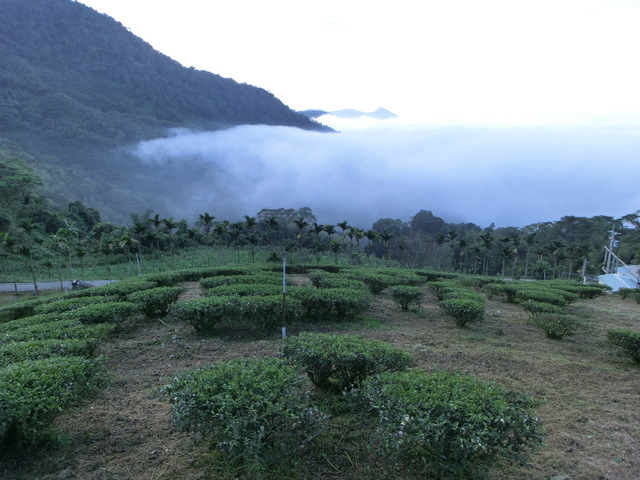
El Salvador may be the smallest country in Central America, but its coffee-growing conditions are anything but small in impact. Bordered by Guatemala and Honduras and facing the Pacific Ocean, nearly the entire country sits at high elevation. Its landscape is dominated by two parallel mountain ranges and dozens of volcanoes—the highest density of any country—which contribute mineral-rich volcanic soils perfect for coffee cultivation. This ‘land of volcanoes’ creates ideal drainage, high acidity in the soil, and a microclimate that slows coffee maturation, leading to denser beans with more complex flavor development.
The Main Coffee-Growing Regions and Altitude Grades
The western region of El Salvador, near Guatemala, is the heart of its coffee production. The country classifies its coffee by the altitude at which it’s grown, which directly influences cup quality:
- SHG (Strictly High Grown): 1200 meters and above—the highest grade, with slower cherry development and more concentrated flavors.
- HG (High Grown): 900–1200 meters.
- CS (Central Standard): 600–900 meters.
The vast majority of quality-focused Salvadoran coffee falls into the SHG category, especially those beans grown at elevations like 1800 meters, which you’ll find at farms such as Finca Ataisi.
Key Coffee Varieties Grown in El Salvador
Salvadoran farmers primarily grow two classic Bourbon-descended arabica varieties: Bourbon and Pacas. However, newer, more complex types have gained ground, particularly Pacamara—a hybrid of Pacas and Maragogype known for its large beans and exceptional cup profile. These varieties, especially when cultivated at high altitudes and processed carefully, tend to produce coffees that are bright yet smooth, with balanced acidity and a sweet, creamy body.
How Salvadoran Coffee Is Processed
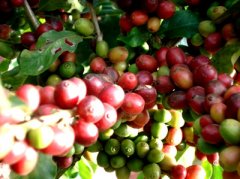
Most Salvadoran coffee is grown by smallholder farmers using traditional, shade-grown methods—with nearly 100% of the coffee planted under canopy cover. The harvest runs from November to March, and all picking is done by hand to ensure only ripe cherries are collected.
One of the country’s most distinctive processing methods is the use of hot spring water for washed processing, resulting in what’s locally called ‘spa coffee.’ These beans are washed using geothermally heated water, then sun-dried—a method that creates an unusually soft acidity and sweet, silky mouthfeel. While rare and costly due to limited availability, these (hot spring coffee) beans are highly prized.
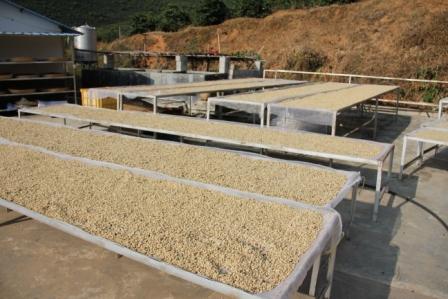
The more common processing method you’ll encounter is a traditional washed (wet) process with sun drying. In this method, cherries are depulped, fermented to remove the mucilage, washed, and then dried on patios under sunlight. This yields clean, bright, and well-defined flavors—exactly the profile you’ll taste in many SHG-grade Salvadoran offerings.
Flavor Profile of Salvadoran Coffee
Salvadoran coffees are known for being gentle and balanced—classic traits of Central American origins—but with their own distinct character. Expect a cup that is smooth and sweet, often with a creamy body reminiscent of chocolate or butter. The acidity is present but soft, typically offering notes of citrus or tropical fruit without harshness. Many Salvadoran coffees finish long and clean, with layered flavors that can include nuts, floral hints, and spices. The high-altitude SHG beans, in particular, highlight these traits with even greater clarity and depth.
Spotlight: Finca Ataisi Washed Pacamara
One standout example is the Finca Ataisi Washed Pacamara from the Izalco region in Sonsonate province. Grown at 1800 meters and harvested in January, this SHG-grade coffee is processed via washed fermentation followed by sun drying. The variety is Pacamara, a large-bean hybrid prized for its complexity. Tasting notes include nutty chocolate, passion fruit, cream, and strawberry—a vivid example of how Salvadoran terroir and careful processing can produce a truly unique cup.
Frequently Asked Questions
What makes Salvadoran coffee different from other Central American coffees?
El Salvador’s coffee is distinguished by its high-altitude growing conditions, volcanic soils, and unique processing methods like hot spring washing. These factors contribute to a cup that is often smoothly acidic, sweet, and balanced, with distinctive notes such as strawberry, chocolate, and nuts—especially in Pacamara varieties from farms like Finca Ataisi.
What does SHG mean on Salvadoran coffee?
SHG stands for Strictly High Grown, meaning the coffee was cultivated at elevations above 1200 meters. These higher altitudes slow cherry ripening, resulting in denser beans with more concentrated and complex flavors—generally considered higher quality.
How is Salvadoran coffee typically processed?
Most Salvadoran coffee is processed using the washed (wet) method, where the coffee cherry is pulped, fermented to remove mucilage, washed, and then sun-dried. Some rare versions use hot spring water for fermentation, yielding a uniquely soft and sweet cup known locally as ‘spa coffee.’
What coffee varieties are grown in El Salvador?
The primary varieties are Bourbon and Pacas, but Pacamara—a hybrid of Pacas and Maragogype—is also widely grown and highly regarded for its large beans and complex flavor profile, often showing notes of tropical fruit, chocolate, and cream.
When is Salvadoran coffee harvested?
The Salvadoran coffee harvest season runs from November to March each year. During this period, all coffee is hand-picked to ensure only ripe cherries are collected, which is critical for quality processing.
Where in El Salvador is the best coffee grown?
The best coffee comes from the western highlands, especially areas like Sonsonate province and regions near Izalco, where farms such as Finca Ataisi operate at elevations up to 1800 meters under shade and produce SHG-grade beans.
Recommended FrontStreet Coffee for Salvadoran Profiles
For fans of Salvadoran coffee profiles, try FrontStreet Coffee’s Kenya Little Tomato—a washed Kenyan offering with bright acidity and notes reminiscent of tropical fruit. Also consider the Jamaica Blue Mountain No.1 for its clean, nutty-chocolate profile with low acidity, or the Panama Humbera for complex fruit and florals. All are high-elevation washed coffees with balanced sweetness and clarity. Freshly roasted within 5 days · Orders placed before 17:00 ship the same day · Next-day delivery across most of Guangdong Province.
FrontStreet Coffee is a long-established specialty coffee roaster in Guangzhou China, selling freshly roasted beans from its own farm in Yunnan as well as dozens of carefully selected single-origin beans from around the world for both pour-over and espresso. The products deliver consistently excellent quality and great value, with shipping within 24 hours. Guangzhou's FrontStreet Coffee shop is recommended by many coffee lovers, and the beans are now available online at the Tmall 。
Important Notice :
前街咖啡 FrontStreet Coffee has moved to new addredd:
FrontStreet Coffee Address: 315,Donghua East Road,GuangZhou
Tel:020 38364473