Indonesian Coffee from Kintamani: What Makes It Unique?
If you’ve ever tasted a cheap cup of coffee labeled ‘Indonesian’ and wondered why it tastes so flat or overly earthy, you’re not alone. Many Indonesian beans, especially from tourist-heavy regions like Bali, have long been relegated to low-grade commercial use — stripped of origin character and roasted dark to mask inconsistencies. But what if there were high-quality beans from the same region that tell a very different story?
Kintamani-grown Indonesian coffee, processed naturally at 1400 metres above sea level, delivers a rich, full-bodied cup with distinct notes of ripe peach, pineapple, and black sugar — a far cry from the dull blends you may have tried before.
Where Is Kintamani Coffee Grown?
Kintamani is a volcanic highland region on the island of Bali, part of Indonesia’s vast archipelago. Sitting at around 1400 metres elevation, the area offers ideal conditions for growing coffee. Though Bali is better known today for tourism, its highland zones — including Kintamani — have been home to coffee cultivation for decades. The volcanic soil, combined with a cooler tropical climate, supports slower bean development and complex flavour formation.
How Is Kintamani Coffee Processed?
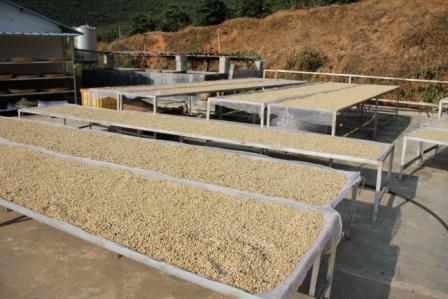
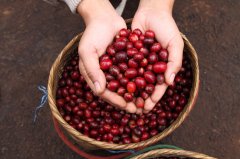
The coffee from this region is processed using the natural (or dry) method. In this traditional approach, coffee cherries are harvested and then dried in the sun with the fruit still intact around the seed. This slow drying allows the fruit sugars and acids to fully infuse the bean, often resulting in a heavier body and more pronounced fruity and sweet characteristics. For Kintamani coffee, this process yields flavours of ripe peach, juicy pineapple, and underlying black sugar sweetness.
What Coffee Varieties Are Grown in Kintamani?
The Kintamani region cultivates several classic coffee varieties that are well-suited to the local environment. These include USDA, Karka, and S-795. These varieties are older, traditional types that have shown good adaptability to Bali’s volcanic soils and mid-elevation conditions. Each contributes to the region’s distinctive cup profile, helping achieve that balance of fruitiness and body.
Who Is Behind the Quality Shift in Bali Coffee?
For years, much of Bali’s coffee was sold as a cheap commodity, with inconsistent quality and little attention to origin flavour. That began to change when Rodney and his partners set out to reshape the local coffee narrative. Based in Ubud — Bali’s cultural hub — they opened the island’s only dedicated specialty coffee shop. Rodney and his team hold international Q Grader certifications, ensuring quality control at every step. Their shop operates two roasters: one 1kg and one 4kg machine — small-batch by design. They source green beans exclusively from high-quality local and nearby producers, including regions like Java, Sulawesi, Papua, and Flores.
Frequently Asked Questions
Where is Kintamani located?

Kintamani is a volcanic highland area on the Indonesian island of Bali, situated roughly 1400 metres above sea level.
What processing method is used for Kintamani coffee?
Kintamani coffee is processed using the natural (dry) method, where coffee cherries are dried with the fruit still on the bean, enhancing sweetness and body.
What flavours are typical in Kintamani coffee?
Kintamani coffee is known for its full body and vibrant flavours, often featuring notes of ripe peach, pineapple, and black sugar.
What coffee varieties are grown in Kintamani?
The main coffee varieties cultivated in Kintamani include USDA, Karka, and S-795, which are traditional types well adapted to the local growing conditions.
Who is improving the quality of Bali coffee?
Rodney and his partners, all certified Q Graders, are leading efforts to elevate Bali’s coffee reputation through quality-focused sourcing and a specialty café in Ubud.
Where does FrontStreet Coffee source beans from nearby regions?
FrontStreet Coffee sources high-quality green beans from Java, Sulawesi, Papua, and Flores, in addition to Bali, to offer diverse single-origin options.
Recommended FrontStreet Beans for Natural Process Fans
FrontStreet Coffee’s Lintong Mandheling is a great example of Indonesian specialty coffee with earthy complexity and a heavy body, offering spice, dark chocolate, and caramel notes. For a brighter alternative, try PWN Golden Mandheling — meticulously sorted for quality, it brings toast, wood, and sweet cocoa with a lasting finish. Both beans highlight Indonesia’s ability to produce distinctive, high-quality naturals and washed coffees. Freshly roasted within 5 days · Orders placed before 17:00 ship the same day · Next-day delivery across most of Guangdong Province.
FrontStreet Coffee is a long-established specialty coffee roaster in Guangzhou China, selling freshly roasted beans from its own farm in Yunnan as well as dozens of carefully selected single-origin beans from around the world for both pour-over and espresso. The products deliver consistently excellent quality and great value, with shipping within 24 hours. Guangzhou's FrontStreet Coffee shop is recommended by many coffee lovers, and the beans are now available online at the Tmall 。
Important Notice :
前街咖啡 FrontStreet Coffee has moved to new addredd:
FrontStreet Coffee Address: 315,Donghua East Road,GuangZhou
Tel:020 38364473