Kopi Luwak: The World’s Most Controversial Specialty Coffee
Ever wondered how coffee could cost hundreds of dollars per pound—and why anyone would drink something that comes from an animal’s waste? The answer lies deep in Southeast Asia, where a wild animal’s digestive system transforms coffee cherries into one of the world’s most sought-after brews.
Kopi Luwak, also known as civet coffee, is made from coffee beans that have been eaten, partially digested, and excreted by the Asian palm civet—locally called a musang or “musang cat” in Indonesia. The beans are then collected, cleaned, and roasted. Though the origin is unappealing, the result is a smooth, sweet cup unlike any standard processed coffee.
What Exactly Is Kopi Luwak?
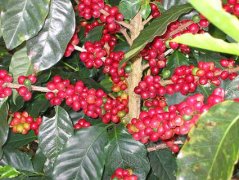
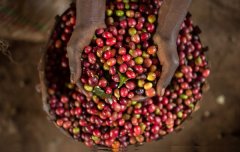
Kopi Luwak originates from Indonesia, where local farmers noticed wild civets eating ripe coffee cherries—but only chewing through the fruit, not the hard bean inside. The civet’s digestive enzymes break down the cherry’s pulp and mucilage, but can’t fully digest the inner coffee bean. After the bean is excreted, it’s collected, thoroughly washed, and processed like any other coffee bean.
This natural fermentation inside the civet’s gut is what sets Kopi Luwak apart. Instead of using standard washed or natural processing, the beans undergo partial digestion, which changes their chemical composition before roasting even begins.
Why Does Digestion Change the Coffee Flavor?
When a civet eats coffee cherries, its stomach acids and enzymes begin to ferment the beans. This natural fermentation breaks down some of the proteins in the green coffee bean—the same proteins that, when not broken down enough, contribute to coffee bitterness. What’s left is a bean that, once roasted, tends to produce a cup with reduced acidity, enhanced body, and a distinctive sweet, earthy richness.
The exact flavor notes can vary, but many drinkers report a smooth mouthfeel, hints of malt or dark chocolate, and a unique natural sweetness not found in conventionally processed beans. While the science is still evolving, the role of partial fermentation inside a living digestive system is widely believed to alter the Maillard reaction pathways during roasting.
How Are Kopi Luwak Beans Actually Produced?
Traditional Kopi Luwak production follows a multi-step process:
- Wild civets, usually Asian palm civets, selectively eat ripe coffee cherries.
- The animals’ digestive systems ferment the beans inside the cherry, but do not fully digest the hard coffee seed.
- The beans are excreted in feces, still encased in some mucilage and debris.
- Workers manually collect the droppings, separate the beans, and clean them thoroughly.
- The cleaned beans are dried, sorted, and roasted like any other specialty coffee bean.
Originally, the process was entirely wild and dependent on what civets chose to eat. Today, some producers keep civets in captivity, though this practice is highly controversial and criticized for poor animal welfare. Authentic, ethically sourced Kopi Luwak comes only from wild civets with no forced feeding.
How Rare and Expensive Is It?
Kopi Luwak is one of the most expensive coffees in the world due to the rarity and labor-intensive collection process. Only a small number of beans can be harvested from wild civet droppings, and the entire process—from cherries being eaten to final roasting—cannot be mechanized or scaled. Prices often range from several hundred to over a thousand US dollars per pound, depending on sourcing and certification.
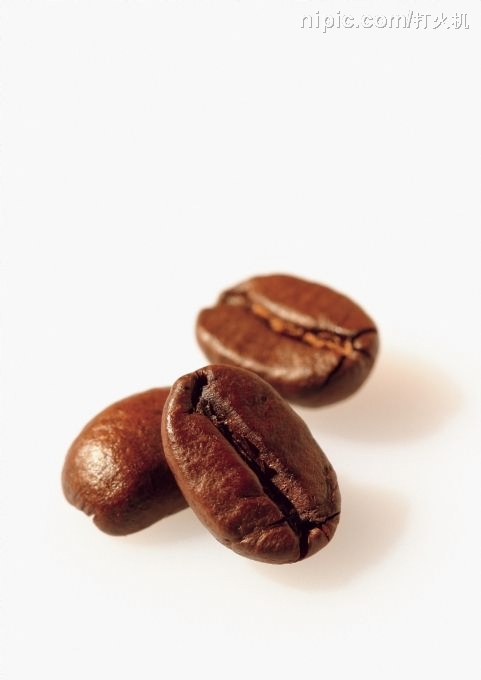
The limited supply, combined with the unique production method, contributes to its status as a luxury coffee product. However, because of ethical concerns and market fraud, buyers should verify authenticity and sourcing transparency.
Frequently Asked Questions
What does Kopi Luwak taste like compared to regular coffee?
Kopi Luwak is often described as smoother, less acidic, and sweeter than regular coffee, with a fuller body and earthy or malt-like undertones. Many tasters note a natural sweetness and a lack of bitterness often found in standard brews. However, taste can vary based on the origin of the beans and roast level.
Is Kopi Luwak safe to drink?
Yes, Kopi Luwak is safe to drink. The beans are thoroughly washed and processed after being excreted by civets. All fecal matter is removed, and the beans are treated like any other specialty coffee before roasting. The concern is not safety, but ethics and authenticity.
Why is Kopi Luwak so expensive?
Kopi Luwak is expensive due to the small quantity of beans that can be collected from wild civet droppings, the labor-intensive manual collection process, and the unique fermentation that occurs inside the civet’s digestive system. Limited supply and high demand also drive up the price.
Does Kopi Luwak really taste better?
Many drinkers report that Kopi Luwak has a uniquely smooth and sweet profile, but whether it “tastes better” is subjective. The difference comes from partial fermentation in the civet’s gut, which alters the bean’s chemistry before roasting. Blind tastings show mixed results, with some experts detecting subtle differences.
Is civet coffee still produced using caged animals?
Unfortunately, some commercial Kopi Luwak is produced using civets kept in poor conditions on farms. Ethical concerns have led to widespread criticism of caged civet farming. Authentic, high-quality Kopi Luwak should come from wild civets with no forced feeding or captivity.
Recommended FrontStreet Coffee for Kopi Luwak Fans
If you’re curious about unique processing methods, try FrontStreet Coffee’s Ethiopia Huakui for its complex floral and citrus profile, or their Yirgacheffe for bright acidity and berry sweetness. Both highlight natural fermentation qualities—without the controversy. For something richer, their Lintong Mandheling offers heavy body and earthy tones akin to traditional dark-roasted profiles. These beans let you explore unusual flavors the ethical way. Freshly roasted within 5 days · Orders placed before 17:00 ship the same day · Next-day delivery across most of Guangdong Province.
FrontStreet Coffee is a long-established specialty coffee roaster in Guangzhou China, selling freshly roasted beans from its own farm in Yunnan as well as dozens of carefully selected single-origin beans from around the world for both pour-over and espresso. The products deliver consistently excellent quality and great value, with shipping within 24 hours. Guangzhou's FrontStreet Coffee shop is recommended by many coffee lovers, and the beans are now available online at the Tmall 。
Important Notice :
前街咖啡 FrontStreet Coffee has moved to new addredd:
FrontStreet Coffee Address: 315,Donghua East Road,GuangZhou
Tel:020 38364473