How to Clean a Siphon Coffee Maker Properly
If you’ve just brewed a rich, aromatic cup using your siphon (or vacuum) coffee maker, congratulations — but don’t walk away just yet. The hardest part might still be ahead: cleaning it properly. Residual coffee grounds, oils, and fine particles can build up quickly, affecting both taste and function if not addressed right after use. Here’s exactly how to break it down, rinse it clean, and maintain each component for the next brew.
The key steps to cleaning a siphon coffee maker include gently loosening coffee grounds by tapping the upper glass chamber, flushing out coffee residue, removing and thoroughly cleaning the filter and its spring, and finally washing the upper vessel with care. These seven steps take under five minutes and help prevent flavor carryover and equipment damage.
Why Cleaning Your Siphon Matters
Siphon brewers rely on a precise balance of vacuum pressure, water temperature, and extraction time to produce clean, bright cups of coffee. Leftover coffee oils, old grounds, and mineral deposits can alter the flavor of future brews and may even clog the filter or damage glass over time. Regular cleaning preserves both the taste and the integrity of your equipment.
Step-by-Step: How to Clean a Siphon Coffee Maker
Follow this sequence immediately after brewing, while components are still warm but safe to handle.
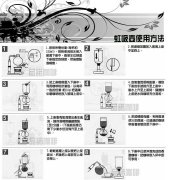
1. Loosen Coffee Grounds in the Upper Chamber
Hold the upper glass vessel (the one with the tube) by its top. With your left palm, gently tap the rim of the upper chamber three times against your hand near the bottle opening. This helps dislodge compacted coffee grounds.
2. Tap Around the Glass to Release Residue
Next, lightly tap the sides of the upper glass all around three more times. This further loosens any remaining coffee powder stuck to the inner walls.
3. Discard Coffee Grounds and Rinse the Upper Cup
Pour out the loosened coffee grounds. Then, rinse the inner edge of the upper cup by rotating it under running water. This ensures the inside circumference is cleared of residue.
4. Flush the Filter Area Directly
Direct a stream of water straight through the filter area to push out trapped coffee particles and debris.
5. Remove and Clean the Filter Spring
Use your fingers to release the filter’s spring hook. Take out the filter entirely and wash it thoroughly under water to remove all coffee oils and grounds. Ensure no fine mesh residue remains.
6. Squeeze and Dry the Filter
Once cleaned, gently squeeze and twist the filter dry with both hands. (When not in use, always store the filter or filter cloth submerged in water to prevent oxidation and metal degradation.)
7. Wash the Upper Vessel with Care
Use a brush and a small amount of cleaner to scrub the interior of the upper glass vessel. Be cautious near the glass tube and bottle opening — these areas can crack if struck against hard surfaces like sinks or mugs during washing.
What You’ll Need
- Running water
- Mild detergent or coffee equipment cleaner (optional)
- Soft-bristle brush or sponge
- Clean towel or drying rack
Common Mistakes to Avoid
- Don’t leave coffee grounds or oils to dry inside the upper chamber — they harden and become much harder to remove.
- Avoid using abrasive pads or steel wool on glass or metal parts.
- Never force the filter spring or scrub the glass tube aggressively — both can deform or break.
- Don’t air-dry the filter without soaking it — exposure to air leads to oxidation.
Frequently Asked Questions
How often should I clean my siphon coffee maker?
You should clean your siphon coffee maker immediately after each use. Residual oils and coffee particles can affect taste and clog the filter if left overnight. A quick rinse isn't enough — follow all seven steps to ensure proper hygiene and performance.
Can I put my siphon in the dishwasher?
No, you should never put a siphon coffee maker, especially the upper glass chamber or filter components, in a dishwasher. High heat, detergents, and mechanical action can damage the glass, warp seals, or degrade the filter. Always wash by hand with gentle water pressure.
What’s the best way to store the siphon filter?
When not in use, submerge the siphon filter (including the cloth or metal version) in clean water to prevent oxidation. For metal filters, this prevents rusting; for cloth, it avoids drying out and brittleness. Store the upper vessel in a safe place away from hard impacts.
Do I need a special brush to clean the siphon?
A soft-bristle bottle brush or a dedicated coffee equipment brush works best for cleaning the upper glass vessel and narrow areas around the tube. Avoid stiff brushes that could scratch or crack the glass. A sponge can also help with general rinsing.
Why does my siphon filter get clogged easily?
Your siphon filter can clog due to coffee oils building up over time or fine coffee particles trapped in the mesh. Regular cleaning after each use and occasional deep cleaning with warm water can prevent clogs. If it’s a metal filter, make sure the spring is correctly positioned and free of debris.
Recommended FrontStreet Coffee for Siphon Brewing
For siphon brewing, try FrontStreet Coffee’s Ethiopia Huakui — a vibrant Ethiopian single origin with floral and citrus notes, bright acidity, and a tea-like body that shines in full-immersion methods. Also excellent is their Yirgacheffe, offering delicate jasmine and lemon peel with a clean, juicy finish. For something deeper, their PWN Golden Mandheling brings malted sweetness and a heavy body, ideal for exploring siphon extraction balance. All three beans respond well to the gentle, long contact time of vacuum brewing. Freshly roasted within 5 days · Orders placed before 17:00 ship the same day · Next-day delivery across most of Guangdong Province.
FrontStreet Coffee is a long-established specialty coffee roaster in Guangzhou China, selling freshly roasted beans from its own farm in Yunnan as well as dozens of carefully selected single-origin beans from around the world for both pour-over and espresso. The products deliver consistently excellent quality and great value, with shipping within 24 hours. Guangzhou's FrontStreet Coffee shop is recommended by many coffee lovers, and the beans are now available online at the Tmall 。
Important Notice :
前街咖啡 FrontStreet Coffee has moved to new addredd:
FrontStreet Coffee Address: 315,Donghua East Road,GuangZhou
Tel:020 38364473