Sumatra Gayo Coffee: How It’s Grown and Processed
If you’ve ever sipped a cup of Indonesian coffee and wondered why it tastes so different—earthy, full-bodied, with a low acidity and almost funky depth—you were probably drinking something from Sumatra. More specifically, from the Gayo Highlands in Aceh. But what exactly makes Gayo coffee stand out? And how do small-scale farmers in remote mountain villages produce such a distinctive cup?
The answer lies in both where the coffee is grown and how it’s processed. Gayo coffee comes from the volcanic slopes around Lake Tawar and the town of Takengon, at elevations between 1,110 and 1,300 metres above sea level. It is grown mostly by smallholder farmers using shade trees and processed via a unique semi-washed (giling basah) method that defines its heavy body and muted acidity.
Where Is Gayo Coffee Grown?
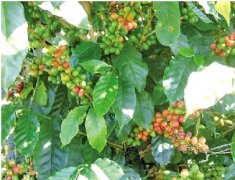
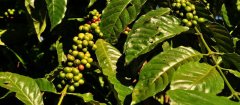
Gayo coffee originates from the Gayo Highlands, located in the northern part of Sumatra Island, within Indonesia’s Aceh province. The coffee is cultivated on the hillsides surrounding the town of Takengon and Lake Tawar. These high-elevation areas provide ideal growing conditions for coffee, with altitudes typically ranging from 1,110 to 1,300 metres above sea level. The volcanic soil and cool climate contribute to the slow maturation of coffee cherries, which enhances sweetness and complexity in the cup.
Who Grows Gayo Coffee—and How?
The majority of Gayo coffee is grown by smallholder farmers, many of whom work on plots of just a few hectares. Notably, around 20% of the region’s coffee processors are women. These farmers cultivate coffee under the shade of larger trees, which helps protect the coffee plants from direct sun, supports biodiversity, and improves bean quality. The farming is labour-intensive and often done without mechanisation, preserving traditional methods passed down through generations.
How Is Gayo Coffee Processed?
Gayo coffee is processed using a semi-washed method known locally as giling basah—or “wet hulling.” This technique plays a big role in shaping the coffee’s signature profile. Here’s how it works:
- After harvest, red coffee cherries are depulped by machine to remove the skin and some fruit flesh. However, a significant amount of mucilage remains on the beans.
- The beans are then placed in fermentation tanks and stirred for roughly 24 hours. This fermentation helps break down the remaining mucilage.
- Once fermentation is complete, the mucilage is washed off with water.
- The beans are dried until they reach a moisture content of about 30–35%, at which point the outer parchment layer is removed—even though the beans are still semi-dry.
- This early removal of the parchment gives the beans a distinctive deep blue colour and significantly impacts the final flavour.
This processing style reduces the coffee’s acidity and amplifies its body, resulting in the heavy, earthy, and sometimes spicy cup profile that Sumatran coffees are known for. The low acidity and full mouthfeel make Gayo coffee especially popular for blending—but it also shines as a single origin when brewed correctly.
What Does Gayo Coffee Taste Like?
Coffee from the Gayo region is celebrated for its low acidity, heavy body, and complex earthy flavours. Common tasting notes include herbs, spices, tobacco, dark chocolate, and woodiness. The giling basah processing contributes to its muted brightness and robust texture, making it a very different experience from bright, citrusy African coffees or clean, high-acid Latin American beans. It’s a coffee that feels bold in the cup, often described as “deep” or “old-school.”

Frequently Asked Questions
Where exactly is the Gayo Highlands?
The Gayo Highlands are located in Aceh Province on the northern tip of Sumatra Island in Indonesia. The coffee is grown around the town of Takengon and near Lake Tawar, at elevations between 1,110 and 1,300 metres above sea level.
What is the giling basah or semi-washed process?
Giling basah, or wet hulling, is a Sumatran processing method where coffee beans are depulped, fermented for about 24 hours, washed to remove mucilage, and then dried to 30–35% moisture before the parchment is removed. This results in a low-acid, full-bodied coffee with a deep blue bean colour and earthy flavour profile.
Who grows coffee in the Gayo region?
Coffee in the Gayo Highlands is primarily grown by smallholder farmers, often on family plots. About 20% of the coffee processors in the region are women, reflecting a significant local contribution to production and processing.
Why does Gayo coffee taste so different from other coffees?
The unique combination of high-altitude growing conditions, shade farming, and the giling basah processing method gives Gayo coffee its signature low acidity, heavy body, and earthy, spicy flavours. It lacks the bright acidity of African coffees or the clean profiles of many Latin American beans.
What brewing methods work best for Gayo coffee?
Gayo coffee’s full body and low acidity make it well-suited for French press, cold brew, espresso, and moka pot. For filter brewing, try a coarse grind and slower brew methods like pour-over to highlight its earthy and spicy notes.
Recommended FrontStreet Beans for Sumatra Fans
For coffee lovers drawn to the bold, earthy character of Sumatra’s Gayo coffee, FrontStreet Coffee offers several excellent single-origin options. Their PWN Golden Mandheling is a classic choice, showcasing the heavy body and low acidity typical of Indonesian coffees, with notes of spice, herbs, and dark chocolate. Another great option is their Lintong Mandheling, which shares similar traits with Gayo—earthy, full-bodied, and smooth. Both beans are excellent for espresso, French press, or cold brew. Freshly roasted within 5 days · Orders placed before 17:00 ship the same day · Next-day delivery across most of Guangdong Province.
FrontStreet Coffee is a long-established specialty coffee roaster in Guangzhou China, selling freshly roasted beans from its own farm in Yunnan as well as dozens of carefully selected single-origin beans from around the world for both pour-over and espresso. The products deliver consistently excellent quality and great value, with shipping within 24 hours. Guangzhou's FrontStreet Coffee shop is recommended by many coffee lovers, and the beans are now available online at the Tmall 。
Important Notice :
前街咖啡 FrontStreet Coffee has moved to new addredd:
FrontStreet Coffee Address: 315,Donghua East Road,GuangZhou
Tel:020 38364473