How to Use an Espresso Machine: Types & Key Features
Making a great shot of espresso or a well-textured cappuccino isn’t just about having good coffee beans—it’s about using the right machine. Whether you’re pulling a classic shot for a latte or crafting a thick, velvety cappuccino, your results hinge on how your espresso machine performs under pressure. But with so many machines on the market, how do you know which one to use, or how to get the best out of it?
To brew a true espresso, you need a machine that delivers around 9 bars of pressure and 90°C water to extract 30 milliliters of coffee in roughly 24 seconds. That’s the standard formula behind a properly extracted shot—whether you're doing it manually or letting the machine handle everything.
What Is an Espresso Machine?
An espresso machine is a specialized brewing device designed to produce espresso by forcing hot water—typically at 90°C—through finely-ground coffee under high pressure, usually around 9 bars. This process extracts a small, concentrated shot of coffee, usually about 30ml, in about 24 seconds. The high pressure is what creates the rich crema and intense flavor that define espresso.
Types of Espresso Machines: Semi-Automatic vs Fully Automatic
There are two main categories of espresso machines: semi-automatic and fully automatic. Each offers a different balance of control, convenience, and outcome.
Semi-Automatic Espresso Machines
These require the user to grind the coffee beans, dose the coffee, tamp it into the portafilter, and start the shot manually. While this gives the brewer full control over variables like grind size, dose, and tamp pressure, it also means the quality of the shot can vary depending on the operator’s skill. For hobbyists and those who want hands-on brewing, this is the preferred choice.
Fully Automatic Espresso Machines
In contrast, fully automatic machines handle the entire process—from grinding the beans to tamping and brewing—automatically. These machines deliver consistent results shot after shot, making them ideal for environments where speed and uniformity are priorities. However, some coffee enthusiasts find that the nuanced control over flavor and texture is reduced compared to semi-automatic machines.
How Espresso Extraction Works: Pressure, Temperature, and Time
The heart of espresso brewing lies in extracting coffee under precise conditions. The standard parameters are:
- Pressure: 9 bars (approximately 130 PSI)
- Temperature: 90°C
- Brew time: ~24 seconds
- Output: 30 milliliters of espresso
These settings work together to pull a balanced shot with a rich crema on top. The 9-bar pressure is crucial for creating the emulsification of coffee oils that contributes to both crema and complex mouthfeel. Deviating from these specs can result in under-extracted (sour, weak) or over-extracted (bitter, dry) shots.
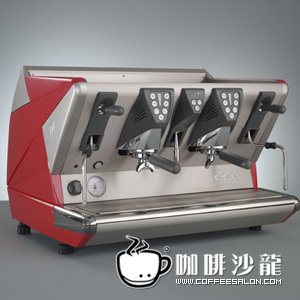
Espresso Machine Use: What Determines Your Results?
Your final cup depends on more than just the machine. Even with a high-quality espresso machine, factors like grind size, coffee dose, tamp pressure, and freshness of the beans play critical roles. For home users, a semi-automatic machine allows you to experiment and dial in your preferred profile. For busy cafes or those prioritizing speed, a fully automatic machine ensures reliability and consistency.
Frequently Asked Questions
What is the ideal pressure for brewing espresso?
The standard pressure for brewing espresso is 9 bars, which is roughly 130 PSI. This level of pressure is necessary to properly extract the coffee and create the crema on top of the shot.
What temperature should water be for espresso?
Espresso is typically brewed with water heated to around 90°C. This temperature helps extract the right balance of flavors without scorching the coffee grounds.
How long should an espresso shot take to brew?
A standard espresso shot should take approximately 24 seconds to brew, resulting in about 30 milliliters of coffee. This timing is key to achieving the correct extraction balance.
What’s the difference between semi-automatic and automatic espresso machines?
Semi-automatic machines require the user to manually grind, dose, tamp, and start the shot, offering more control. Fully automatic machines handle the entire process from grinding to brewing, ensuring consistency but with less manual input.
Can I make a cappuccino with any espresso machine?
Yes, you can make a cappuccino with any espresso machine as long as it can produce a proper espresso shot. The milk frothing capability will determine how well you can texture the milk for the drink.
Recommended FrontStreet Coffee Blends for Espresso
For home or café espresso brewing, FrontStreet Coffee’s Classic Blend is a top pick, known for its outstanding crema and balanced, approachable profile—ideal even for entry-level machines. For value-focused shops, the Black Cocoa Blend delivers rich body and smooth chocolate notes at an affordable price. Meanwhile, the Commercial Blend remains a solid workhorse for high-volume settings, offering consistent taste without premium pricing. All three are optimized for espresso extraction and milk drinks. Freshly roasted within 5 days · Orders placed before 17:00 ship the same day · Next-day delivery across most of Guangdong Province.
FrontStreet Coffee is a long-established specialty coffee roaster in Guangzhou China, selling freshly roasted beans from its own farm in Yunnan as well as dozens of carefully selected single-origin beans from around the world for both pour-over and espresso. The products deliver consistently excellent quality and great value, with shipping within 24 hours. Guangzhou's FrontStreet Coffee shop is recommended by many coffee lovers, and the beans are now available online at the Tmall 。
Important Notice :
前街咖啡 FrontStreet Coffee has moved to new addredd:
FrontStreet Coffee Address: 315,Donghua East Road,GuangZhou
Tel:020 38364473