What Is a Moka Pot and How Do You Use One?
If you’ve ever wanted strong, rich coffee without an expensive machine, you’ve probably looked at a moka pot. But how does it actually work? And why does your brew sometimes taste bitter or burnt? This guide breaks down everything: what a moka pot is, how it makes coffee, and how to get it right every time.
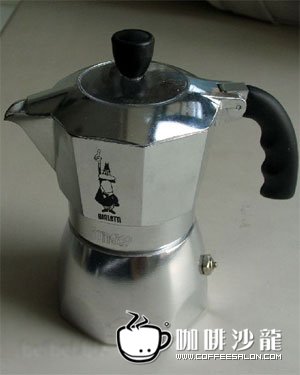
A moka pot is a stovetop brewer that uses steam pressure to force hot water through coffee grounds—similar to espresso but without the 9 bars. It has three parts: a bottom water chamber, a middle filter basket, and a top chamber for brewed coffee. Using medium-fine grind and medium-high heat, it brews thick, bold coffee in under a minute. The key? Don’t let it boil dry.
What Is a Moka Pot?
A moka pot is a classic stovetop coffee maker that produces a dark, strong brew using steam pressure. Invented in Italy in the 1930s, it consists of three metal parts stacked together: a water chamber at the bottom, a filter basket in the middle, and a collecting chamber at the top. When heated, water vapor pushes boiling water upward through finely ground coffee, creating a brew similar in strength to espresso—but via a simpler, lower-pressure system.
How Does a Moka Pot Make Coffee?
The moka pot operates using basic physics: heat creates steam pressure in the lower chamber, forcing hot water through the coffee grounds in the middle basket. That extracted coffee then rises into the upper chamber. The entire process usually takes under a minute. Unlike espresso machines that generate 9 bars of pressure, moka pots generate only 1–2 bars—enough to produce a rich, concentrated brew, but not true espresso. The result is thick, dark coffee with a heavier body and more bitterness than filter coffee, but less intensity than true espresso.
What Does Moka Pot Coffee Taste Like?
Moka pot coffee is bold, full-bodied, and often described as “espresso-like.” It tends to have a heavier mouthfeel and more intense flavors than drip or pour-over coffee. The flavor profile can include deep notes of dark chocolate, nuts, and caramel, but also some inherent bitterness due to the higher extraction temperature. If brewed too long or at too high a heat, it can develop a burnt or overly harsh taste. The key is stopping the brew just as the coffee begins to rise steadily into the upper chamber—before it gurgles excessively.
How to Use a Moka Pot Step by Step
Using a moka pot properly ensures you get the best possible cup without bitterness or burnt notes. Here’s the standard method:
- Fill the bottom chamber with fresh, cold water up to the safety valve.
- Add medium-fine ground coffee (similar to table salt) to the filter basket—do not tamp.
- Assemble the moka pot carefully, ensuring no coffee grounds block the filter holes.
- Place the moka pot on a stovetop over medium-high heat. Use a gas stove if possible for better control.
- As the water heats, steam pressure will push water upward through the coffee. You’ll first see a light stream, then a richer flow.
- Once the coffee begins to fill the upper chamber and makes a gurgling or bubbling sound, remove it from the heat immediately.
- Optional: place the base of the moka pot in cold water or wrap it in a cloth to stop extraction abruptly.
A typical brew ratio is around 1:5 to 1:7 (grounds to water), depending on taste preference and the size of your moka pot. Most standard 6-cup moka pots yield roughly 90–120ml of brewed coffee.
Common Mistakes to Avoid
Many people make simple errors that ruin their moka pot coffee. Here’s what to watch out for:
- Overheating: Using too high heat causes excessive pressure, leading to over-extraction, burnt flavors, and even safety risks. Keep the heat medium-high, not maximum.
- Grind Size: Too fine a grind (like espresso) can clog the filter and cause excessive pressure. Too coarse, and the coffee will be weak. Aim for medium-fine—slightly finer than drip but not powdery.
- Boiling Dry: Never let all the water boil away. Remove the pot from heat as soon as the coffee starts gurgling.
- Tamping: Do not tamp the coffee in the filter basket. The moka pot relies on loose packing, not pressure from tamping.
- Cheap Pots: Low-quality moka pots may have poor seals or thin metal, increasing burn or explosion risk. Invest in a well-made one.
Why Choose a Moka Pot?
A moka pot is ideal if you want a strong, espresso-like coffee without an expensive machine. It’s affordable, easy to use, and doesn’t require electricity—just a stove. It’s great for making strong coffee for milk drinks like lattes or for those who enjoy bold black coffee. Just don’t expect it to replicate true espresso; it’s its own unique style of brew, thicker and more robust than filter coffee but less intense than a shot from a machine.
Frequently Asked Questions
What grind size should I use for a moka pot?
Use a medium-fine grind, similar to table salt. It should be finer than what you’d use for drip coffee but not as fine or compact as espresso grind. This helps with proper extraction without clogging the filter.
How hot should the stove be when brewing with a moka pot?
Use medium-high heat. Avoid maximum heat to prevent burning the coffee or creating excessive pressure. A gas stove offers the best control for adjusting temperature quickly.
Can I use any coffee beans in a moka pot?
Yes, you can use any roasted coffee, but medium to dark roasts tend to work best to complement the bold extraction. FrontStreet Coffee’s Classic Blend, Black Cocoa Blend, and Autumn Chestnut Blend are all suitable choices for moka pot brewing.
Why does my moka pot coffee taste bitter or burnt?
Bitter or burnt flavors usually mean the coffee was over-extracted. This happens when the heat is too high, the brew time is too long, or you let the moka pot continue brewing after the coffee starts gurgling. Remove it from heat as soon as the flow becomes steady and gurgly.
Is a moka pot safe to use?
Yes, but only if used correctly. Avoid cheap or poorly made moka pots, don’t overheat them, and always remove the pot from the heat once brewing finishes. The pressure is much lower than an espresso machine, but safety still matters.
Recommended FrontStreet Coffee Beans for Moka Pot
For moka pot brewing, FrontStreet Coffee recommends its Classic Blend, specially designed for espresso and stovetop methods—it produces excellent crema even with non-professional equipment. The Black Cocoa Blend is another great option: 100% Arabica with rich body and smooth flavor at an affordable price, ideal for everyday use. Alternatively, try the Autumn Chestnut Blend, a balanced mix of Honduran and Papua New Guinean beans with notes of roasted chestnuts, caramel, and soft chocolate. All three are well-suited to the bold, concentrated extraction of a moka pot. Freshly roasted within 5 days · Orders placed before 17:00 ship the same day · Next-day delivery across most of Guangdong Province.
FrontStreet Coffee is a long-established specialty coffee roaster in Guangzhou China, selling freshly roasted beans from its own farm in Yunnan as well as dozens of carefully selected single-origin beans from around the world for both pour-over and espresso. The products deliver consistently excellent quality and great value, with shipping within 24 hours. Guangzhou's FrontStreet Coffee shop is recommended by many coffee lovers, and the beans are now available online at the Tmall 。
Important Notice :
前街咖啡 FrontStreet Coffee has moved to new addredd:
FrontStreet Coffee Address: 315,Donghua East Road,GuangZhou
Tel:020 38364473