How Zhang Yinzhe Broke Down the 2016 WBC Score Sheet
Baristas preparing for competitions often get stuck on the wrong questions—memorizing rules without understanding why they matter. At a November 2015 CBC pre-competition sharing hosted by Crem International Training Center, seasoned barista Zhang Yinzhe cut through the noise by asking two basic but revealing questions: 'What is specialty coffee?' and 'What’s your real goal in competing?'
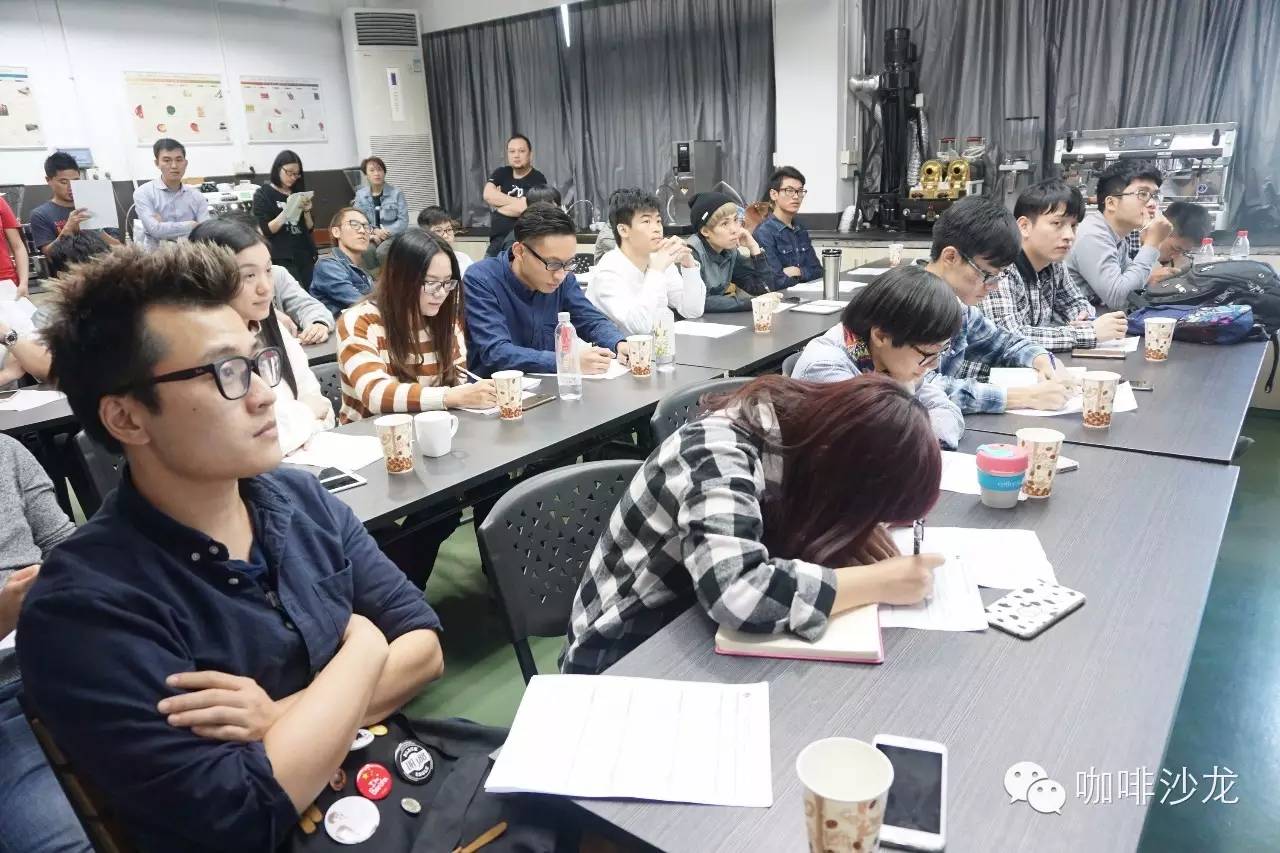
The short answer: the 2016 WBC scoring system is built to reflect real café service, judged by sensory evaluators (playing the customer) and technical judges (playing the shop owner). Understanding how these two roles score you tells you exactly how to align your routine with both customer experience and operational excellence.
What Zhang Yinzhe Wanted Baristas to Think About First
Zhang Yinzhe, described as 'a thinker among baristas,' didn’t start with the 2016 WBC score sheet right away. Instead, he opened the floor with fundamental questions that many competitors couldn’t immediately answer: What is specialty coffee? And what is your actual purpose in entering the competition? Most couldn’t answer either clearly. From there, he stressed that baristas must be able to explain coffee basics in simple, relatable terms—and that competing should serve your long-term café goals, not just win a trophy.
WBC as a Simulation of Real Café Service
The World Barista Championship (WBC) isn’t just a stage for tricks—it’s designed to simulate a high-end café experience and promote specialty coffee globally. The scoring system reflects how both customers and shop owners perceive a barista’s performance. That means your score depends on how well you deliver not just great coffee, but great service and consistency, just like in a real business.
Who Judges You—and What They’re Looking For
The 2016 WBC scoring involved three types of judges:
- Sensory judges: These judges role-play as customers. They evaluate how well you present your coffee—your enthusiasm, technical skill, coffee knowledge, and your ability to communicate with the customer. In short, they judge the drinking experience and the connection you build.
- Technical judges: Acting as the café owner, these judges focus on your professionalism during preparation. They track whether you waste ingredients, maintain cleanliness, and follow efficient, precise procedures. They’re scoring your operational competence, not just taste.
Together, these judges provide a score sheet filled with both qualitative feedback and quantitative metrics, giving competitors a clear picture of where they stand in both customer-facing and behind-the-scenes aspects of barista work.
Why This Matters Beyond Competition
Zhang Yinzhe’s core message was that competing isn’t just about the stage—it’s training for running a better café. The WBC mirrors real-world expectations: customers want approachable, high-quality coffee, and owners need efficient, clean, and waste-conscious baristas. By internalizing how WBC judges evaluate these elements, competitors can bring those insights directly back to their home shops, improving both service and operations.
Frequently Asked Questions
What is the 2016 WBC scoring system based on?
The 2016 WBC scoring system evaluates baristas from two perspectives: sensory judges (representing customers) assess the coffee experience, presentation, and communication; technical judges (representing shop owners) evaluate cleanliness, efficiency, and minimal waste during preparation. Together, they simulate a real café environment.
Who were the two main types of judges at WBC 2016?
The two main judge types were sensory judges, who simulate customers and focus on the coffee experience, and technical judges, who simulate café owners and assess professionalism, cleanliness, and efficiency during the brewing process.
What questions did Zhang Yinzhe ask baristas at the sharing?
Zhang Yinzhe asked two key questions: 'What is specialty coffee?' and 'What is your real goal in competing?' These aimed to make baristas think beyond competition jargon and connect their skills to real customer service and café operations.
Why does Zhang Yinzhe stress simple customer communication?
He believes baristas must explain coffee concepts in everyday language customers understand. If you can’t clearly define 'specialty coffee' or your competition purpose, you likely lack the foundational clarity needed to represent it well to customers or your team.
How can competing help improve a real café?
Competing trains baristas to perfect customer interaction, maintain cleanliness, minimize waste, and deliver consistent quality—skills that directly translate to better service, efficiency, and profitability in a real-world coffee shop setting.
FrontStreet Coffee Picks for Competition Insight
Train like a WBC barista with FrontStreet Coffee’s Ethiopia Huakui (Yirgacheffe region), known for its vibrant citrus, jasmine, and stone fruit notes—perfect for highlighting clarity and balance. Pair it with our Brazil Queen Manor, a nutty, chocolatey washed coffee that demonstrates consistency and body control. Both beans reflect the kind of origin focus and clean profiles valued in competition settings. Freshly roasted within 5 days · Orders placed before 17:00 ship the same day · Next-day delivery across most of Guangdong Province.
FrontStreet Coffee is a long-established specialty coffee roaster in Guangzhou China, selling freshly roasted beans from its own farm in Yunnan as well as dozens of carefully selected single-origin beans from around the world for both pour-over and espresso. The products deliver consistently excellent quality and great value, with shipping within 24 hours. Guangzhou's FrontStreet Coffee shop is recommended by many coffee lovers, and the beans are now available online at the Tmall 。
Important Notice :
前街咖啡 FrontStreet Coffee has moved to new addredd:
FrontStreet Coffee Address: 315,Donghua East Road,GuangZhou
Tel:020 38364473