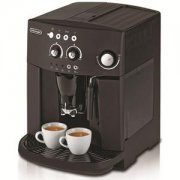
Three Standard Coffee Cup Sizes Explained
If you’ve ever wondered why your espresso tastes so intense or your latte feels more like milk than coffee, the answer might be sitting right under your nose — or rather, under your cup. The size of your coffee cup isn’t just about aesthetics or holding capacity; it directly influences how strong your coffee feels and how you’re meant to drink it.
There are three standard coffee cup sizes: espresso (50–80ml), cappuccino (120–140ml), and latte (300ml+), with smaller cups delivering stronger, less diluted coffee experiences.
What Defines a Coffee Cup Size?
Coffee cup sizes aren’t arbitrary. They’re categorized based on volume and intended use, shaping both flavor perception and drinking style. These three common sizes help define the coffee experience: espresso cups for bold, undiluted shots; cappuccino cups for balanced milk and espresso; and latte cups for milk-forward drinks.
1. Espresso Cup: Small and Strong (50–80ml)
The smallest category, known as an espresso cup, holds between 50 and 80 millilitres. This tiny vessel is built for pure, concentrated coffee — typically a single or double shot of espresso. With no room for anything else, it’s designed to deliver intensity. The small size ensures the crema stays intact and the aromatics are preserved, making it ideal for tasting high-quality single-origin espresso or bold blends. Think of it as the purest expression of the coffee’s roast and origin character.
2. Cappuccino Cup: Balanced and Versatile (120–140ml)
The medium-sized cup, commonly called a cappuccino cup, ranges from 120 to 140 millilitres. This is the most widely used size in specialty coffee settings. It leaves enough space to add steamed milk and foam, while still maintaining a strong coffee presence. The cappuccino cup is designed for customization — whether you want to adjust milk ratios, add sugar, or enjoy it as is. It strikes a balance between espresso strength and milk texture, making it a go-to for everyday coffee drinkers and baristas alike.
3. Latte Cup: Milk-Forward and Large (300ml+)
The largest standard coffee cup, known as a latte cup, holds over 300 millilitres. It’s built for milk-heavy drinks where espresso takes a back seat to steamed milk and foam. This size accommodates generous layers of milk, making it ideal for those who prefer a milder, creamier coffee experience. The large volume dilutes the espresso more significantly, resulting in a smoother, less intense drink. It’s the default choice for lattes, flat whites, and other milk-based espresso beverages.
Why Cup Size Matters for Coffee Strength
The volume of your cup directly affects how diluted your coffee tastes. A smaller cup concentrates the flavors, highlighting the coffee’s roast, origin, and brewing details. Larger cups, especially those for milk drinks, spread the espresso across more liquid, softening its impact. That’s why an espresso feels bold in a 50ml cup but almost tame in a 300ml latte.
How to Choose the Right Coffee Cup
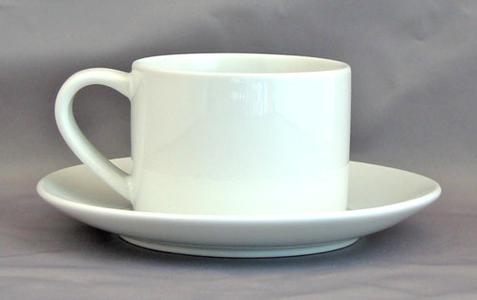
Choose an espresso cup (50–80ml) for pure shots or short black coffee. Opt for a cappuccino cup (120–140ml) when you want a balanced mix of espresso and milk. Go for a latte cup (300ml+) if you prefer a milky, smooth coffee with minimal espresso intensity. The right cup size enhances both flavor and drinking experience.
Frequently Asked Questions
What is the smallest standard coffee cup size?
The smallest standard coffee cup is the espresso cup, which holds between 50 and 80 millilitres. It’s designed for serving pure espresso or highly concentrated coffee without any additions.
What is a cappuccino cup size?
A cappuccino cup typically ranges from 120 to 140 millilitres. It’s sized to hold a cappuccino with espresso, steamed milk, and foam, allowing for some personal adjustment.
How big is a latte cup?
A latte cup is the largest standard coffee cup, with a volume of 300 millilitres or more. It’s made for milk-heavy drinks where the espresso is diluted by a large amount of steamed milk and foam.
Does coffee cup size affect taste?
Yes, coffee cup size affects how strong or diluted the coffee tastes. Smaller cups concentrate flavors, making the coffee taste bolder, while larger cups dilute the espresso with more liquid, resulting in a milder drink.
Which cup size is best for single-origin espresso?
An espresso cup (50–80ml) is best for single-origin espresso, as its small size highlights the unique characteristics of the beans without dilution.
Recommended FrontStreet Single-Origin Espressos
For espresso in a 50–80ml cup, try FrontStreet’s Ethiopia Humbera — bright and juicy with blueberry and citrus notes — or Yirgacheffe for floral and lemony tones. Both shine in small cups, letting their origin qualities shine through. Freshly roasted within 5 days · Orders placed before 17:00 ship the same day · Next-day delivery across most of Guangdong Province.
FrontStreet Coffee is a long-established specialty coffee roaster in Guangzhou China, selling freshly roasted beans from its own farm in Yunnan as well as dozens of carefully selected single-origin beans from around the world for both pour-over and espresso. The products deliver consistently excellent quality and great value, with shipping within 24 hours. Guangzhou's FrontStreet Coffee shop is recommended by many coffee lovers, and the beans are now available online at the Tmall 。
Important Notice :
前街咖啡 FrontStreet Coffee has moved to new addredd:
FrontStreet Coffee Address: 315,Donghua East Road,GuangZhou
Tel:020 38364473