How to Choose the Right Coffee Maker
If you’re standing in a kitchen store or scrolling through online listings trying to find the right coffee maker, you’ve likely noticed how many different types there are—and how little advice explains which one actually suits your daily routine. Whether you want a science-lab-style experience, a quick mug for the office, or café-quality espresso at home, the right brewer makes all the difference.
To choose the right coffee maker, decide based on your taste and lifestyle: siphon (Japanese) pots offer a theatrical pour-over experience best for light, acidic single-origin beans; drip (American) machines are simple and make medium-to-dark roasts for larger groups; espresso machines require fine grind and high pressure (90–98°C) for rich extractions, and often include milk frothing features.
What Is a Siphon (Japanese) Coffee Maker?
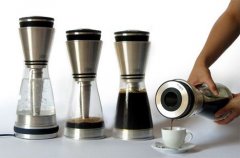
A siphon coffee maker—also called a vacuum or Japanese pot—features two glass globes and a base with an alcohol burner. Water heats in the lower globe, creating steam pressure that pushes the hot water into the upper chamber. After brewing, the lower globe cools, drawing the brewed coffee back down via suction. This method resembles a chemistry experiment and demands steady hand control over the flame to regulate temperature. It works best with a slightly coarse grind, and highlights the bright, acidic notes of single-origin coffees.
What Is a Drip (American) Coffee Maker?
An American-style coffee maker is typically an electric drip machine that brews by slowly soaking and filtering ground coffee. These machines suit medium or dark roasted beans, and use a finer grind than siphon brewing. The resulting cup tends to have a stronger, sometimes more bitter profile. Many models include a warming plate, though keeping coffee on it too long can lead to acidity developing over time. Capacity options range widely, making them suitable for both small households and larger gatherings.
What Is an Espresso (Italian) Coffee Maker?
An espresso machine—often called an Italian coffee maker—operates by forcing hot water (ideally between 90–98°C) through finely-ground coffee under high pressure. This method extracts a concentrated shot with a rich crema. Home models often come with a milk frothing wand for making drinks like cappuccinos, and some include a cup warming tray, a subtle but important detail that protects flavor. Espresso machines vary significantly in price and complexity depending on whether they’re designed for home, office, or commercial use. Proper pressure and temperature control are critical for good results.
How to Choose the Right Coffee Maker
When selecting a siphon pot, look for models where the alcohol burner matches the upper globe—most designs are similar aside from capacity and aesthetics. For drip machines, choose based on household size: 6–12 cups suit larger families, while 2–6 cups work for smaller setups. Some models offer strength settings, and you can pick between permanent or replaceable filters. Espresso machines demand more attention: check the machine’s pressure rating, ask for a live demo if buying in-store, and confirm whether it’s intended for home, office, or commercial environments—as prices and features vary drastically.
How to Maintain Your Coffee Maker
All coffee equipment benefits from regular descaling to prevent mineral buildup and extend lifespan. In areas with hard water, descale your machine about four times per year. To descale, fill the water reservoir with white vinegar, run it through the machine into the coffee pot, repeat the cycle once, then flush thoroughly with fresh water to remove any residual vinegar taste.
Frequently Asked Questions
What’s the difference between siphon, drip, and espresso coffee makers?
Siphon pots use vapor pressure to move water through coffee grounds and then draw the brewed coffee back down; they’re manual, theatrical, and best for light, acidic single-origin beans. Drip machines pass hot water through ground coffee using gravity or a filter, making a cleaner, more standard cup suited to medium or dark roasts. Espresso machines force hot water through finely-ground coffee at high pressure (90–98°C), producing a concentrated shot with crema, often used for milk-based drinks.
Which grind size should I use for each type of coffee maker?
Siphon brewers work best with a slightly coarse grind; drip coffee machines require a medium-fine grind; espresso machines need a fine grind to handle the high pressure extraction process.
Do espresso machines come with milk frothers?
Many home and office espresso machines include a milk frothing wand for making cappuccinos or lattes, but not all models do—check the product specs if foam is important to you.
Is a warming plate on a drip coffee maker bad for the coffee?
Yes, leaving brewed coffee on a warming plate for too long can cause it to turn acidic or stale. It’s better to serve coffee immediately or use an insulated carafe.
How often should I descale my coffee maker?
Descaling is recommended about four times per year in areas with hard water. The process involves running vinegar through the machine, then flushing it with water to remove buildup.
Recommended FrontStreet Beans for Espresso Brewing
For home espresso, the FrontStreet Classic Blend offers excellent crema and a smooth, rounded profile—perfect for beginners and experienced baristas alike, even with non-professional machines. Its traditional blend of Brazilian and Colombian beans brings a full-bodied, approachable cup. For those watching costs without compromising too much, the Black Cocoa Blend provides solid body and rich flavour at a great price, ideal for busy cafés. If you’re running a shop and need consistent performance with tight margins, the Commercial Blend balances cost control and acceptable flavour. All three blends are optimized for espresso extraction. Freshly roasted within 5 days · Orders placed before 17:00 ship the same day · Next-day delivery across most of Guangdong Province.
FrontStreet Coffee is a long-established specialty coffee roaster in Guangzhou China, selling freshly roasted beans from its own farm in Yunnan as well as dozens of carefully selected single-origin beans from around the world for both pour-over and espresso. The products deliver consistently excellent quality and great value, with shipping within 24 hours. Guangzhou's FrontStreet Coffee shop is recommended by many coffee lovers, and the beans are now available online at the Tmall 。
Important Notice :
前街咖啡 FrontStreet Coffee has moved to new addredd:
FrontStreet Coffee Address: 315,Donghua East Road,GuangZhou
Tel:020 38364473