
Coffee Farm
Latest articles, industry insights and brewing guides
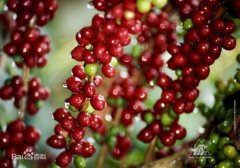
Yellow Bourbon Coffee from Huila, Colombia
Discover why Colombian Huila Yellow Bourbon is prized for its bright acidity, nutty depth, and balanced profile.
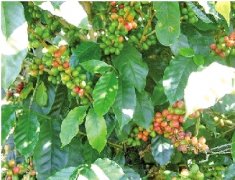
Washed Pacamara from El Salvador's Ataisi Estate
Explore the floral, balanced washed Pacamara from El Salvador’s Ataisi Estate, a standout micro-lot from Central America’s volcanic highlands.
Why SL28 Is So Rare in Central America
SL28 is an exceptional coffee variety from East Africa, rarely grown in Central America due to its unique heritage and limited planting outside Kenya.
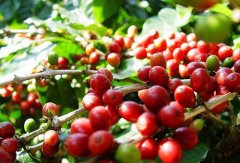
Guatemala New Oriental SL28 Natural & Washed Coffee Beans
Single-origin SL28 from Guatemala’s New Oriental region offers both natural and washed profiles, with winey fruit and citrus highlights.
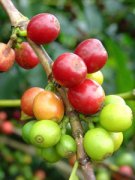
What Is Honey Process Coffee? Costa Rica Honey Beans Explained
Honey processed coffee combines clean washed flavors with intense sweetness. Learn how Costa Rica pioneer this style with yellow, red, and black honey grades.
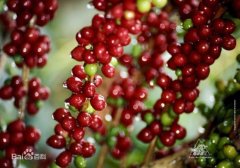
Costa Rica SHB Red Honey Fire Phoenix Coffee Beans
Fire Phoenix Estate in Costa Rica produces SHB-grade red honey coffee with over 20% Brix sweetness, grown 100% organically on volcanic soils.
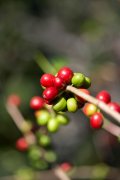
Costa Rica’s Montanas del Diamante Honey Process Coffee
Explore how Montanas del Diamante Estate in Tarrazú uses varying honey processing to craft complex, citrusy Costa Rican coffee with sweet, floral depth.
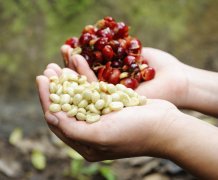
Costa Rica Washed Coffee Beans: What Makes Them Special
Learn why Costa Rican washed coffee is globally recognized, from its volcanic soil to its structured production system. Key facts inside.
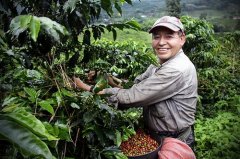
Where Did Colombia’s Coffee Actually Come From?
Colombia’s coffee history traces back to multiple sources: from Haiti via El Salvador, introduced by a Venezuelan priest in 1808, and documented by missionaries since 1730.

Guatemala Fraijanes Highlands Latisha Estate Coffee Beans
Explore the distinctive profile of Guatemala’s Fraijanes highlands coffee, grown near active volcanoes with mineral-rich soils and ideal elevation.
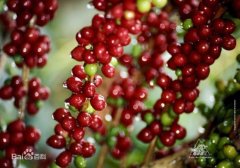
Guatemalan Huehuetenango Coffee Beans Explained
Learn why Guatemalan high-altitude beans from Huehuetenango deliver complex acidity, spice notes, and velvety body — plus where to start tasting.
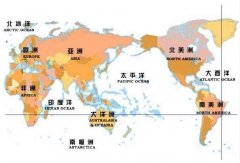
Bali Karana Natural Process Coffee from Mount Batur
Three unique process lots from Bali’s Karana—natural, washed, and honey—showcase tropical fruit complexity rivaling Panama’s finest.
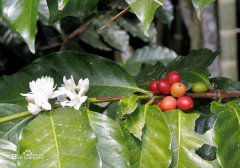
Bali Kintamani Natural Process Coffee from Ubud Processing Plant
Discover how Rodney and partners transformed Bali’s coffee reputation with a new natural-process lot from Kintamani, showcasing tropical fruit and rich sweetness.
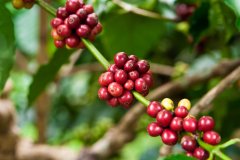
Kintamani Volcano Coffee from Bali
Bali’s Kintamani volcanic region produces sun-dried coffee with intense tropical fruit, stone fruit, and rich syrupy sweetness.
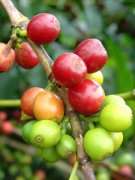
Indonesian Bali Natural Process Coffee Beans
Bali’s Karana Kintamani Ubud Natural offers ripe peach, pineapple, and brown sugar notes from 1,400m elevation, processed via traditional sun drying.
Washed Process Coffee from Chimere Estate, Papua New Guinea
Learn how washed-process PNG coffee from Chimere Estate delivers bright acidity and complex flavor—here’s what makes it stand out.
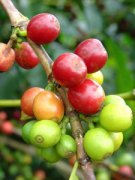
Papua New Guinea Kimmel Estate Peaberry Coffee Beans
Explore PNG Kimmel Estate peaberry beans: high-altitude washed process, bright acidity, and floral-fruity flavors similar to South America.
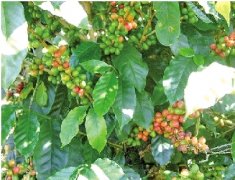
Indonesia's Mandheling Coffee: What Makes Gayo Mountain Unique?
Explore the bold, earthy profile of Indonesian Mandheling coffee from Aceh’s Gayo Mountains, especially the prized PWN Golden Mandheling. Learn how wet hulling shapes its flavor.
Beijing’s Shan Coffee: A Vertical Space Experiment
A Beijing cafe carved into vertical layers under a 3.8m ceiling, using a sunken floor and split-level design to echo mountainous solitude.
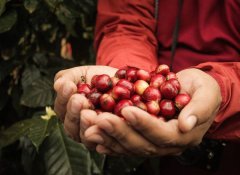
What Are Peaberry Coffee Beans and Why They Matter
Peaberry coffee beans are rare single oval beans inside a coffee cherry. Most come from Tanzania, especially Kona and Kilimanjaro-grown lots.