
Coffee Farm
Latest articles, industry insights and brewing guides

Brazil Produces More Coffee Than Any Other Country Using Natural Drying
Brazil leads global coffee production with the most beans processed via natural drying, giving them their signature sweetness. Here’s how.

Yemen Mocha Mattari: A Bold, Acidic Single Origin
Learn why Yemen Mocha Mattari coffee is prized for its sharp acidity, chocolatey depth, and rustic spice notes, grown in the rugged highlands of northern Yemen.

Nepal’s Hidden Coffee Region: Agannchi in Gulmi
Learn how high-altitude farms in Nepal’s Agannchi region produce washed Typica and Bourbon with nutty, dark chocolate notes.

What Is Death Wish Coffee and How Strong Is It?
Death Wish Coffee uses Arabica beans roasted to preserve high caffeine levels. Its dark roast packs 200% more caffeine than standard shop coffee.

Honduran Coffee Taste and Price Guide
Honduran coffee offers bright acidity and complex flavors, with premium beans grown above 1,500 meters. Learn how altitude affects quality and pricing.

Vietnam Now World’s Second Largest Coffee Producer
Vietnam has risen to become the world’s second-largest coffee producer, surpassing Colombia, though most exports are still robusta.

What Is Monsooned Malabar Coffee and Why Does It Taste Like That?
Monsooned Malabar coffee develops heavy body, low acidity, and a pungent nutty profile through exposure to monsoon winds. Here’s how it’s made and why it tastes unique.

What Makes Honduran Coffee Beans Special?
Explore the unique qualities of Honduran coffee, from its dense beans and balanced flavors to its premium growing regions and processing methods.
Sulawesi Toraja Coffee: What Makes It Unique?
Sulawesi Toraja coffee is grown over 1,100m in Indonesia’s highlands, known for full body, earthy tones, and low acidity. Learn its traits and profile.
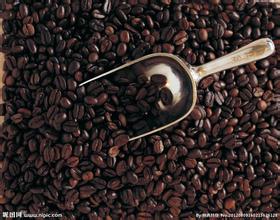
Introduction of boutique Colombian coffee beans
Colombian coffee (Cafe de Colombia), which originated in Colombia, is one of the few individual coffees sold in the world under the name of the country. In terms of quality, it has won praise unmatched by other coffee. Compared with other producing countries, Colombia is more concerned with developing products and promoting production. It is this, coupled with its superior geographical and climatic conditions, that makes Goran

Java Coffee: Indonesia’s Clean, Bright Specialty Bean
Java coffee is Indonesia’s brightest, cleanest regional coffee—fully washed, low-acidity, with nutty tones and a smooth, refined profile.

Death Wish Coffee: Flavor, Roast, and Caffeine Facts
Learn what makes Death Wish Coffee so strong, how much caffeine it really has, and whether its bold claims hold up.
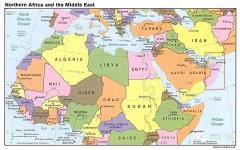
Asian & Arabian Peninsula Coffee Beans Explained
Explore the distinct profiles of key Asian and Arabian Peninsula coffee origins, from Indonesia’s Mandheling to Yemen’s Mocha Mattari.
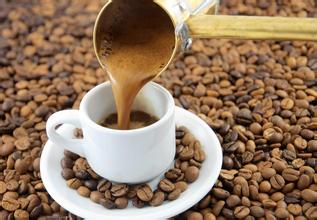
What Is Death Wish Coffee? Dark Roast Facts
Learn what makes Death Wish Coffee so strong, from its organic dark roast process to its 200% caffeine claim and bold flavor profile.

What Makes Kenyan Coffee Special? Flavor, Acidity & Price
Kenyan coffee is prized for its bright acidity, deep fruit flavors, and unique SL varieties. Learn what defines its profile and typical price range.
Guatemala Antigua Coffee Bean Prices and Flavor Profile
Learn the price factors, flavor traits, and regional distinctions of high-grade Guatemala Antigua SHB coffee beans, including the unique profile of Death Wish-style profiles.

How to Choose Single-Origin Coffee Beans Like a Pro
Learn how to spot fresh, high-quality single-origin beans by color, aroma, roast level, and origin. Plus tips on storage and avoiding blends.

Guatemalan Coffee Flavor, Price & Characteristics Explained
Explore Antigua’s smoky, spicy profile, Guatemala’s volcanic terroir, and why its coffee sells for $3–4 per cup in Japan.

Cameroon Java Long Beans: Shape, Flavor & Origin
Explore Cameroon’s rare Java variety long-form beans, their unique shape, flavor profile, and how altitude and processing shape their character.

How Much Does Kopi Luwak Cost and What Makes It Special?
Kopi Luwak can cost hundreds per pound due to labor-intensive collection and wild animal selection. Learn the true price, flavor, and production facts.