
Coffee Farm
Latest articles, industry insights and brewing guides
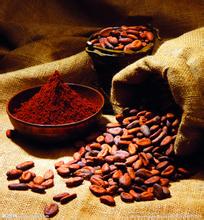
How to Brew Coffee in a Moka Pot: Temperature, Grind & Technique
Learn the exact water temp, grind size, and step-by-step method for brewing coffee with a moka pot, including fresh beans and proper tool care.
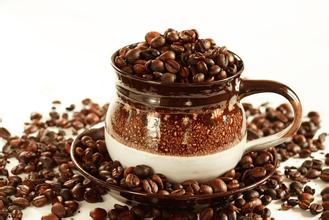
Indonesian Coffee: Kopi Luwak and Regional Flavors Explained
Discover what makes Indonesian coffee unique, including earthy Mandheling beans and the controversial Kopi Luwak. Learn brewing methods and flavor profiles.

Best Home Coffee Machines and Cups for Brewing Coffee Beans
Find the best home coffee makers and cups for brewing fresh coffee beans, with tips on grind, water temp, and brew ratios.
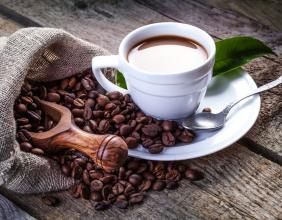
What Makes Blue Mountain Coffee So Special?
Discover how authentic Blue Mountain coffee is grown, processed, and brewed—and why true Jamaican Blue Mountain costs more than most.
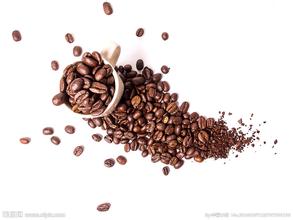
What Makes Jamaican Blue Mountain Coffee Unique
Learn why Jamaican Blue Mountain coffee tastes so refined, how it's processed, and what sets its flavor apart from other coffees.
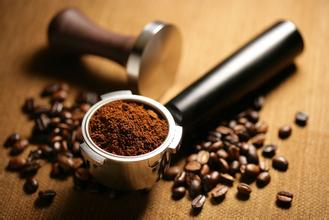
Kopi Luwak vs Blue Mountain: Which Coffee Is More Expensive?
Kopi Luwak can cost over $200 per cup, while Jamaican Blue Mountain is pricier by weight. Here’s how the world’s rarest coffees compare.

What Is Kopi Luwak and How Is It Made?
Learn the origins of Kopi Luwak, how it’s made from civet cat droppings, and why it’s one of the most controversial and expensive coffees.
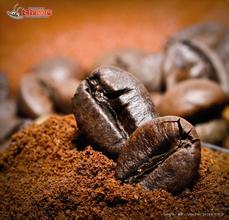
What Is Kopi Luwak Coffee and Where Does It Come From?
Kopi luwak, or civet coffee, originates from Indonesia and is made via unique animal digestion. Learn how it’s processed, why it’s rare, and what experts really think.

How to Brew Authentic Indonesian Kopi Luwak Coffee
Learn how to brew Kopi Luwak at 96°C with 9–10 atm pressure for 1:45–2 mins. Discover its rarity, unique processing, and proper serving style.

How to Brew Kopi Luwak, Indonesia’s Rare Civet Coffee
Learn the precise brewing method for kopi luwak, including ideal water temp (96°C), brew time (1:45–2:00), and why stirring ruins its delicate flavor.

Bali Kopi Luwak & Indonesia’s Best Coffee Regions
Learn why Bali’s golden coffee thrives and explore Indonesia’s top coffee-growing areas like Sumatra’s Lintong and Gayo, with key freshness tips.
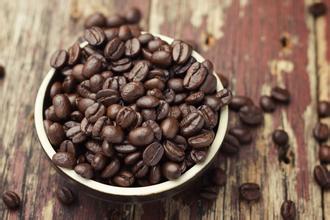
Indonesia Coffee Guide: Bali, Mandheling, and Civet Beans
Explore Indonesia’s specialty coffee scene, from Bali’s Golden Rabbit civet coffee to Sumatra’s Mandheling beans. Learn production facts, flavor profiles, and market issues.
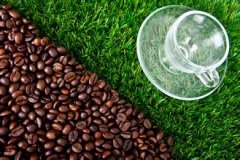
What Makes Bali Coffee Unique? Indonesia’s Island-Grown Beans Explained
Explore the unique characteristics of Bali-grown coffee, including the controversial 'Golden Rabbit' beans, and learn what sets Indonesian island coffees apart.

Vietnam Begins Producing Kopi Luwak Coffee
Vietnam has started producing kopi luwak, a rare coffee fermented in civet cats’ digestive tracts, valued for its unique, smooth flavor profile.
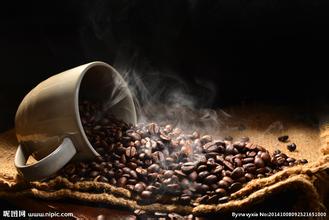
What Is Kopi Luwak Coffee and Where Does It Come From?
Kopi Luwak, or civet coffee, is made from beans eaten and excreted by the Asian palm civet. Learn how it's produced, its flavor profile, price, and which regions produce it.

How Kopi Luwak Is Made — And Why It’s Controversial
Learn how kopi luwak (civet coffee) is produced, why it’s controversial, and what experts really think of its flavor profile.

How to Spot Defective Coffee Beans and Choose Your Ideal Roast
Learn how to identify flawed beans and select coffee that suits your palate. Avoid black edges, floaters, and off-flavors that ruin your cup.

Natural vs Washed Coffee Processing: What They Mean for Your Cup
Learn how natural and washed processing methods shape flavor, quality, and defects in coffee beans—from Ethiopia to Tanzania.
Best Coffee Bean Origins Ranked by Specialty Standards
Discover the top global coffee origins like Hawaii Kona, Ethiopia Yirgacheffe, and Tanzania Peaberry—each with unique flavor profiles and growing conditions.
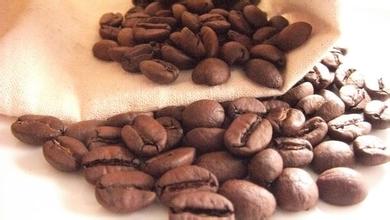
How to Judge Coffee Bean Quality and Its Health Benefits
Learn how to assess coffee bean quality and discover seven science-backed health benefits of drinking coffee, including improved mood and digestion.