
Coffee Farm
Latest articles, industry insights and brewing guides

Kopi Luwak: Price, Origin and Ethics of Cat Poop Coffee
Discover why Kopi Luwak coffee costs hundreds per pound, how it’s made, and the ethical concerns behind the world’s most controversial brew.

Papua New Guinea Coffee Beans: What Makes Them Unique
Papua New Guinea grows high-quality arabica at 1300–1800m, mostly on small farms. Here’s what defines its flavor and history.

Indonesian Coffee Beans: What Makes Them Unique?
Explore Indonesia’s diverse coffee regions, profiles, and processing methods, from Mandheling to Java, and discover what sets its beans apart.

What Makes Mocha Coffee Beans Unique?
Discover the distinctive traits, origins, and flavor profile of Mocha coffee beans, plus why they taste naturally of chocolate.

What Makes Tanzanian Coffee Beans Unique?
Tanzanian coffee beans, especially from Kilimanjaro, offer bright acidity, floral notes, and clean sweetness. Learn what sets them apart.

What Makes Rwandan Coffee Beans So Special?
Rwandan coffee is prized for its bright acidity, clean washed profile, and rich berry-chocolate finish, grown at high elevations using traditional methods.
What to Know About Madagascar Coffee Beans
Madagascar mostly grows Robusta, but plans to expand Arabica. Learn about its 1M-bag annual output, domestic demand, and coffee quality.
What Makes Kenyan Coffee Beans Unique?
Explore the distinctive qualities of Kenyan coffee, from high-altitude growing regions to world-renowned SL28 and SL34 varieties, and why it commands premium prices.

What Makes Ethiopian Coffee Beans Unique?
Explore Ethiopia’s diverse coffee growing regions, key varieties like Yirgacheffe and Harrar, and why these beans favor light roasts.
What Makes Ethiopian Coffee Beans Unique?
Explore Ethiopia’s diverse coffee origins, including Harrar, Sidamo, and Yirgacheffe, with key flavor profiles and altitude details.

Colombian Coffee Beans: Flavor, Origins, and Culture
Learn why Colombia ranks #2 globally in coffee production, its premium washed beans, and what makes MAM-region coffees so distinctive.
Nicaraguan Coffee Beans: Flavor Profile & Origins
Discover Nicaraguan coffee’s balanced profile, key growing regions, and how political history shaped today’s production.

San Juan Chuito: Honduras’ Balanced Village Coffee
Discover the clean, sweet, chocolatey coffee from San Juan Chuito, a high-altitude village in central Honduras near La Tigra National Park.

What Makes Honduran Coffee Beans Unique?
Honduran coffee is known for high acidity and quality, graded by altitude. It thrives at 1,000–2,000m and is a major washed Arabica exporter.
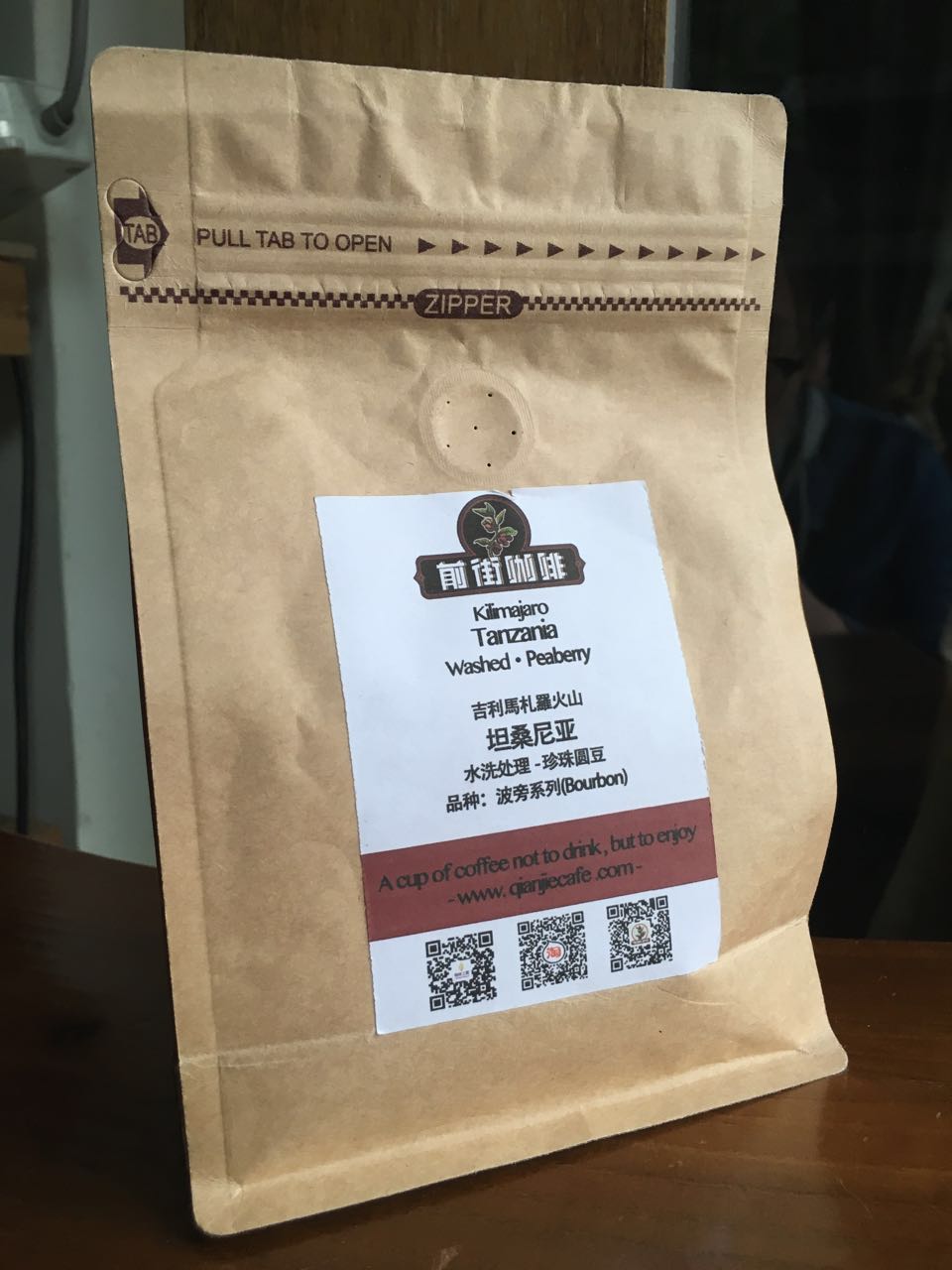
Guatemalan Coffee Beans: Price, Yield, and Flavor Profile
Learn why Guatemalan coffee yields are low, how pricing and export work, and what makes beans from Antigua and Huehuetenango stand out.
Nicaragua Coffee Beans from Volcanic Soil
Nicaragua coffee beans grown in volcanic soil offer smooth, mild acidity and large bean size, with unique terroir flavors.

El Salvador Coffee: Origin, Flavor, and Price Guide
Learn where El Salvador coffee comes from, why it tastes mild and balanced, and how much it typically costs. Includes export data and rare varieties.
Nicaragua Red Bourbon Honey Process Coffee Review
This single-origin Red Bourbon from Nicaragua’s La Sabana region offers chocolate and red fruit notes via a honey process at 1400–1450m altitude.
What Makes Costa Rican Coffee Special?
Costa Rican coffee thrives at high altitudes over 1,500 meters, producing brighter acidity and complex flavors. Discover its unique traits and farming practices.
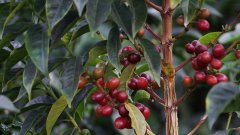
What Is Honey Process Coffee and How Does It Work?
Honey process coffee combines washed coffee’s clarity with natural sweetness. Learn the 3 levels—yellow, red, black—and how mucilage affects flavor.