
Coffee Farm
Latest articles, industry insights and brewing guides

What Is Mocha Coffee Bean and How to Make Mocha Coffee
Learn what makes mocha coffee beans unique, their flavor profile, origin, and how to make a classic hot or iced mocha at home.
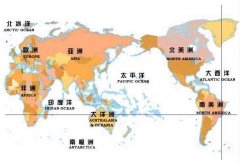
What Makes Kenya AA Coffee So Highly Regarded?
Discover why Kenya AA is essential among top Arabica coffees. Learn its grading, flavor, and production details in this concise guide.
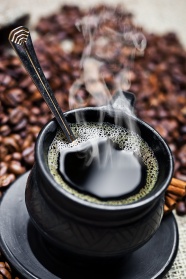
Tanzanian Coffee Beans: Flavor, Price & Where They Grow
Discover the bright, clean profile of Tanzanian coffee, especially from the Kilimanjaro region. Learn about quality, pricing trends, and farm challenges.
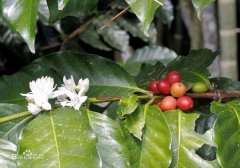
Ethiopian Harrar G4: Natural Process Coffee
Harrar G4 is a high-profile Ethiopian natural process coffee grown at 1,800–2,500m, exported from Dire Dawa. Known for its rich body and bold fruity notes.

What Rwandan Coffee Tastes Like and How to Buy It
Rwandan washed Arabica beans offer bright, clean flavors with soft acidity. Learn what makes Rwandan coffee unique and where to find quality beans.

Ethiopia Sidamo G2 Coffee: Flavor & Profile Explained
Sidamo G2 coffee grows at 1,400–2,000m in Ethiopia’s south, offering bright acidity and balanced fruity sweetness. Learn its key traits and flavor profile.

What Makes Madagascar Coffee Unique?
Madagascar mostly grows Robusta, but high-quality Arabica is emerging. Discover its coffee traits, production, and export potential.

How to Buy and Brew Specialty Kenya Coffee Beans
Learn where Kenya’s world-renowned AA-grade coffee comes from, how it’s graded, and the best ways to buy and brew it for exceptional flavor.
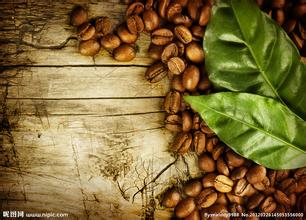
What Makes Ethiopian Coffee Beans Unique?
Explore Ethiopia’s diverse coffee cultivation and unique flavor profiles, from Yirgacheffe to Harrar, and learn why these beans stand apart.

Why Bolivia’s Coffee Stays Hidden Near Brazil
Bolivia grows high-quality Arabica near Brazil, mostly Caturra and Typica, with bright citrus and chocolate notes—but lacks global recognition.
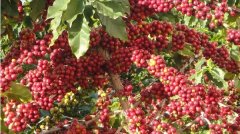
Why Ecuador Has All the Right Conditions for Specialty Coffee
Ecuador has high-altitude terrain, fertile soils, and ideal climate—but why isn’t its coffee more famous? Here’s what makes its SHB beans special.
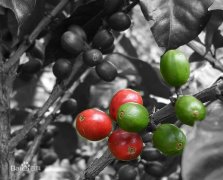
Colombia Supremo Huila: Bold Flavors from Southwestern Colombia
Explore Colombia Supremo Huila, a high-grade washed Arabica with bold body, bright acidity, and rich chocolatey, nutty, and caramel notes.

What Makes Colombian Coffee Special? A Deep Dive
Colombia is the world’s second-largest producer of high-quality arabica, known for balanced, washed beans grown across diverse microclimates.
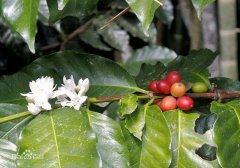
Colombia Supremo Armenia: What Makes This Coffee Special?
Explore the bright, aromatic, full-bodied Colombia Supremo Armenia, grown in Colombia’s central Caldas region with traditional washed processing.

San Agustin Coffee: Colombia’s Underrated Huila Gem
Discover why coffee from Colombia’s remote San Agustin in Huila grows exceptional beans despite harsh conditions and transport risks.

Colombia Supremo Washed Coffee Beans Explained
Learn what makes Colombia Supremo washed coffee beans stand out in aroma, acidity, and body. This is the definitive guide.

Why Colombia Is a Top Coffee Producer After Brazil and Vietnam
Colombia ranks third globally in coffee production, known for high-quality washed Arabica beans with consistent flavor profiles.

What Makes Nicaraguan Specialty Coffee Unique?
Nicaragua produces balanced, aromatic coffee from high-altitude regions like Jinotega. Learn why it declined historically and what makes it great today.
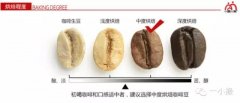
How to Roast Brazilian Yellow Bourbon Coffee
Learn the ideal roast profile and processing traits of Brazilian Yellow Bourbon, a nutty, clean, and sweet single-origin coffee.
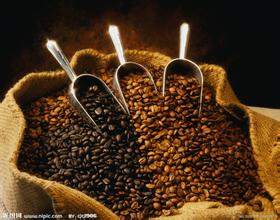
Sidamo Coffee Beans: Flavor, Price, and What Makes Them Unique
Sidamo beans offer balanced acidity and medium body. They include low-caffeine naturals with wild fruit flavors. Learn their traits and price range.