
Coffee Farm
Latest articles, industry insights and brewing guides

How to Brew Honduran Coffee Beans Using Pour-Over
Learn the best grind size, water temp, and technique for brewing Honduran pour-over coffee, including wine-barrel-aged beans like FrontStreet’s.
What Makes Guatemala Antigua Coffee So Unique?
Discover the bold, balanced flavor profile of Antigua coffee from Guatemala’s volcanic highlands, known for its spice, smoke, and crisp acidity.

What Makes Guatemalan Coffee Beans Unique?
Discover the flavor profiles and key regions behind Guatemala’s top specialty coffee beans, including Antigua, Huehuetenango, and Lake Atitlán.
Guatemalan Coffee Beans: What Makes Antigua Unique
Learn why Antigua coffee beans, despite small yields, have unique flavors. Discover how traditional sun-drying affects taste and quality.
What Does Salvadoran Coffee Taste Like and What Is a Coffee Farm?
Salvadoran coffee is often bright and medium-bodied, with flavors influenced by high-altitude growing. Learn what defines Salvadoran coffee and the role of coffee farms.

Types of Mandheling Coffee Beans from Indonesia
Indonesia produces several styles of Mandheling coffee including Lintong, Gayo, PWN Golden, and aged variants. Here’s how to tell them apart.
How to Roast Indonesian Bali and Other Specialty Coffee Beans
Explore how to roast diverse origin coffees—from Panama Geisha to Indonesian Sumatra—with optimal profiles for fruit, sweetness, and body.
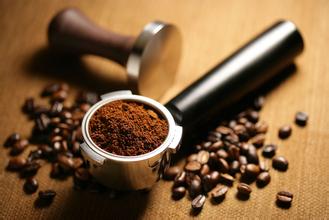
How Much Espresso from 18g Coffee Grounds Is Ideal?
Using 18g of coffee grounds, aim for around 36g of espresso—double the dose—for balanced extraction. The right yield depends on your grind and machine setup.
What Is Kopi Luwak Coffee and How Much Does It Cost?
Kopi Luwak, or 'cat poop coffee,' is one of the world’s most expensive coffees. Learn how it’s made, why it costs so much, and whether it’s worth it.
Why Is It Called Cat Poop Coffee? The Origins of Kopi Luwak
Kopi Luwak gets its name from the Asian palm civet, which eats coffee cherries and excretes the beans. Learn why it’s called 'cat poop coffee' and how it’s made.

Is Sumatran Kopi Luwak from Furn Manor Actually Good?
Most kopi luwak is fake or industrially made. We break down the truth behind this controversial coffee and whether it’s worth trying.
Papua New Guinea Coffee Beans from Mount Ginjamanee
Explore the unique coffee profile of Papua New Guinea beans grown near Mount Ginjamanee, a highland region shaped by volcanic soil and cool climate.
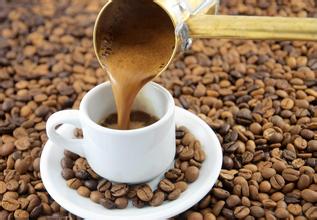
Guatemala La Tierra Estate Cupid Coffee Drip Bags
Explore Guatemala’s high-altitude volcanic coffee origins and the unique Cupid single origin from La Tierra Estate, now available as drip bags.

Main Types of Coffee Beans and Their Characteristics
Explore the key types of coffee beans including Colombian, Brazilian Santos, Mandheling, and Mocha, with distinct profiles and origins.
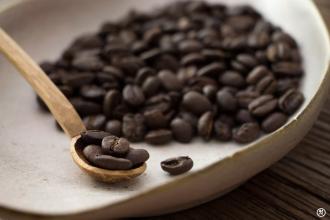
Common Coffee Bean Varieties and Their Flavor Profiles
Explore key coffee varieties like Mandheling, Colombia, Java, and more—learn their roast levels, flavor traits, and what makes each unique.

Popular Coffee Types and Their Flavor Profiles
Explore 6 global coffee types including espresso, Yunnan, and Guatemalan beans. Learn their flavor traits, brewing methods, and roast styles.
Nicaragua Coffee Characteristics Compared to Blue Mountain
Learn how Nicaraguan coffee compares to Blue Mountain and other global origins. Discover flavor profiles, soil impact, and what sets these beans apart.
Nicaraguan Coffee Estates and What Makes Them Famous
Learn why Nicaraguan coffee, grown in volcanic soils at high altitudes, is prized by global buyers including Starbucks despite export challenges.
How to Brew Pacamara and Maragogype Coffee at Home
Learn how to home-brew rare large-bean varieties like Pacamara and Maragogype, with grind tips and flavor profiles from Honduras.
Vietnam, El Salvador, and Bali's Fire Phoenix Estate Coffee Facts
Explore high-yield coffee farms like Vietnam’s Fire Phoenix Estate, and learn why Guatemalan beans fetch premium prices in Japan.