
Coffee Knowledge
Latest articles, industry insights and brewing guides
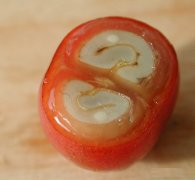
Anatomy of a Coffee Bean: Structure Explained
Learn the full anatomy of a coffee bean—from cherry to roasted bean—with details on each layer including the pulp, parchment, and silver skin.

How Espresso Foam Creates Latte Art
Latte art forms where espresso crema meets microfoam. Discover the science behind the foam layers that let baristas pour those patterns.

How Latte Art Combines Milk and Espresso
Latte art splits into free pour and etching—learn how each works, which is harder, and why foam stability shapes your design.

El Salvador Coffee: Grown & Washed with Hot Spring Water
Salvadoran coffee is processed using mineral-rich 32–34°C hot spring water, boosting sweetness. SHB beans from high altitudes deliver balanced, full-bodied flavor.
Ethiopia: Birthplace of Coffee and Its Iconic Regions
Discover Ethiopia’s legendary coffee origins, unique flavor profiles, and the traditional brewing ceremony behind the world’s finest beans.

Espresso Machine Pumps: Rotary Vane vs. Vibratory Pumps
Commercial espresso machines rely on rotary vane pumps, not vibratory ones—here’s why, along with how each type works.

Flavor Profiles by Coffee Origin: What Makes Each Region Unique?
Explore how climate, soil, and processing shape the unique flavor profiles of Arabica coffee from major global growing regions.
What Makes Specialty Coffee Beans Taste So Smooth?
Learn how origin, processing, and roast shape the smooth, aromatic profiles of premium coffee beans from around the globe.
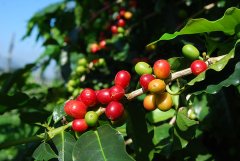
The Three Original Coffee Tree Species Explained
Learn which of the three original coffee species—Arabica, Robusta, and Liberica—make the best beans, where they grow, and why flavor differs.
How Cupping Evaluates Specialty Coffee Quality
Learn how cupping helps coffee pros assess roast quality fast. Find out the 3 key scoring factors and step-by-step cupping method used worldwide.
Mambo Blend: Mandheling and Brazilian Coffee Mix
A 50/50 Mandheling and Brazilian blend offering bold body, rich crema, and a sweet aftertaste. Best enjoyed as black espresso.
What Is Brazilian Santos Coffee? Key Facts for Single Origins
Brazil Santos is a mild, balanced single-origin coffee with low acidity and creamy texture. Learn why it’s great for beginners and espresso blends.
Flores Coffee Beans: Indonesia’s Hidden Gem
Discover Flores coffee: a rare Indonesian single origin with caramel sweetness, full body, and a smooth, lingering finish.
What Makes Honduran Coffee Unique?
Honduras is Central America’s second-largest coffee exporter. Its high-altitude washed beans offer floral notes, mild acidity, and balanced sweetness.
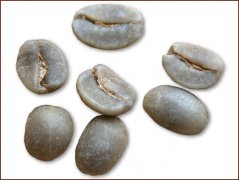
What Are Polished Coffee Beans? Specialty Roasters Explain
Polished coffee beans are visually brighter but not better tasting. Here’s what roasters say about their actual impact on flavor and freshness.
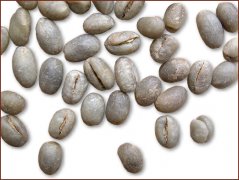
What Do Specialty Coffee Beans Actually Look Like?
Explore the physical shapes and varieties of specialty coffee beans from Ethiopia, Brazil, Colombia and more. Learn how origin affects appearance.
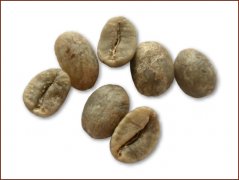
What Nicaraguan Coffee Beans Look Like
See what Nicaraguan coffee beans typically look like, with details on processing, origin regions, and visual characteristics.
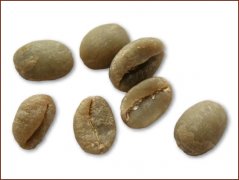
Moka Pot Coffee Beans: What to Know and Try
Learn which coffee beans work best for a moka pot, including recommended blends and single origins from FrontStreet Coffee.
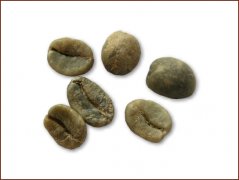
What Makes Costa Rican Coffee Beans Unique?
Learn why Costa Rican coffee beans are sweet, bright, and diverse, with details on their growing regions, processing methods like honey, and flavor profiles.
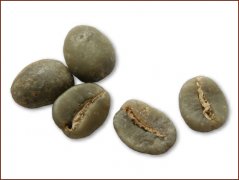
What Is Catimor Coffee? Flavor, Roast & Pics
Catimor coffee beans have bold acidity and a distinctive cup profile. Here’s what makes them unique, how they’re roasted, and what they look like.