Tuesday, September 8, 2026 · Leading English Source for Global Coffee Industry

Coffee Knowledge

Latest articles, industry insights and brewing guides

About the production cost of coffee, where is coffee expensive?

About the production cost of coffee, where is coffee expensive?

In the past few years, the world boutique coffee market has experienced several fluctuations, and coffee prices have been rising as a result. The impact of the rising price of raw coffee beans on end consumers is becoming more and more obvious. Many coffee chains and major coffee companies are adjusting the retail price of coffee. How the price of coffee is calculated and whether it is transparent and reasonable has always been difficult for consumers to understand.

# counter-cultural Coffee # Coffee varieties that teach you Coffee interpretation of Common acronyms for Raw beans

# counter-cultural Coffee # Coffee varieties that teach you Coffee interpretation of Common acronyms for Raw beans

Pay attention to the raw bean information, in addition to the clear name of the country and region, there are often many acronyms inside the label. When you meet for the first time, you often don't know what to say: DP: Dry Process, dry EP: European Preparation, European standard. It is common in Central and South America. It means that, on the basis of the classification of raw beans, in order to meet the special needs of some European raw bean merchants

Judgment of coffee grinding thickness thick and fine coffee powder brewing coffee

Judgment of coffee grinding thickness thick and fine coffee powder brewing coffee

Generally speaking, when we judge the degree of grinding of coffee, we will combine some commonly used particles in life to make auxiliary judgments, such as sugar, salt, flour and so on. In the relevant materials of SCAA (American Fine Coffee Association), there is a more accurate description. With regard to the grinding thickness of coffee powder, the American Fine Coffee Association has given the following according to different coffee brewing utensils

A brief introduction to coffee producing areas-the difference between Ethiopian boutique coffee and ordinary coffee

A brief introduction to coffee producing areas-the difference between Ethiopian boutique coffee and ordinary coffee

Ethiopia is a landlocked country in northeast Africa. It is bordered by Djibouti and Somalia to the east, Sudan and South Sudan to the west, Kenya to the south and Eritrea to the north. The plateau accounts for 2% of the total area of the country, with an average elevation of nearly 3000 meters, which is known as the roof of Africa. Ethiopia is the birthplace of the famous Arabica coffee beans, which has been maintained to this day.

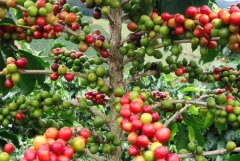
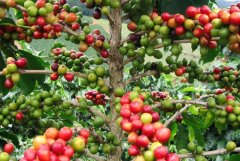
Coffee harvest time manually picked coffee beans

Coffee harvest time manually picked coffee beans

The vast majority of coffee is hand-picked. In order to ensure the quality of coffee, the picker needs to identify which fruits are suitable for harvest and pick them from the trees one by one, which takes a lot of energy and time. In this era of technology, such a human hand work is precious. (Due to different planting areas, the receiving time will also change)

The preservation of coffee beans is one of the controllable factors in the taste of a cup of coffee. How to preserve coffee beans

The preservation of coffee beans is one of the controllable factors in the taste of a cup of coffee. How to preserve coffee beans

Matters needing attention in preservation: 1. Try to buy fresh coffee, usually one-way valve packaging, please pay attention to the production date on the packaging, of course, the closer to the purchase date, the better. It is recommended to buy half a pound of packaging, even if you need a pound of beans. Because it can prolong the shelf life of coffee properly without opening the package. two。 Open coffee beans should be kept away from light in a sealed bottle with good tightness.

How to drink coffee helps to replenish calcium and drink coffee is easy to lack calcium?

How to drink coffee helps to replenish calcium and drink coffee is easy to lack calcium?

Coffee is one of the favorite drinks of modern urbanites. Apart from being refreshing, the bitter taste is also worth tasting carefully. However, drinking too much coffee will be harmful to the health, not only damage the intestines and stomach, long-term drinking may also lead to calcium deficiency, leading to orthopedic diseases

What is the secret processing of coffee beans? Introduction of Honey Process Coffee by secret processing

What is the secret processing of coffee beans? Introduction of Honey Process Coffee by secret processing

Honey treatment, called Honey Process or Miel Process, is called Honey Coffee. It is used in coffee gardens in Costa Rica (Costa Rica), Panama (Panama) and Taiwan. Honey treatment is a kind of treatment which is between the sun treatment and water washing. It keeps the coffee clean, although the brightness decreases, but

There are legends about the origin of coffee. There are several historical stories about coffee. Understand the origin of coffee.

There are legends about the origin of coffee. There are several historical stories about coffee. Understand the origin of coffee.

There are several legends about the origin of coffee, among which the more familiar is the story of the shepherd: around 600 AD, a shepherd found that his sheep would hiss excitedly every night. In fear, he turned to the priest in the temple for help. After carefully observing the sheep for a few days, the priest found that the sheep had eaten an unknown fruit, and the priest ate it himself.

How to drink coffee correctly

How to drink coffee correctly

Coffee after meals is usually served in a pocket-sized cup. The ears of this cup are too small for fingers to pass through. But even if you use a larger cup, you don't have to put your finger through the ear to hold it. The coffee cups and saucers are also specially made. Put them in front of you or on your right side, with the ears pointing to the left. The correct way to hold a coffee cup should be with your thumb and index finger.

Introduction to the three kinds of common coffee beans

Introduction to the three kinds of common coffee beans

At the moment, the development of coffee plant species in different regions of the world mainly include the following: ARABICA/ROBUSTA/LIBERICA/DEWEVREI/STENOPHILLA/CONGENSIS/ABEOKUTAS/KLAINII/ZAANGUEBARIAE/RACEMOSA. Among them, the most commonly used coffee is divided into three categories: small seed coffee beans (Arabica) and medium seed coffee beans (Robusta).

One of the original varieties of Libyan coffee beans

One of the original varieties of Libyan coffee beans

The Liberian species (scientific name Coffea liberica) West Africa is the origin of Liberian coffee. It has a strong adaptability to high or low temperature, humidity or dry environment, but it is not resistant to leaf rust and its flavor is worse than that of Arabica, so it is only traded or planted in some West African countries (Libya, C ô te d'Ivoire, etc.).

What are the varieties of commercial coffee beans? what are Robusta coffee beans?

What are the varieties of commercial coffee beans? what are Robusta coffee beans?

The robusta species (scientific name Coffea robusta Linden), which is resistant to leaf rust, is found in the African Congo and has stronger disease resistance than the Arabica species. The hot and humid zone that is not suitable for Arabica coffee is where Robusta grows coffee. Robusta has a unique aroma and bitter taste, accounting for only 2% or 3% of the mixed coffee, and the whole cup of coffee becomes Rob.

Arabica raw beans Ethiopia coffee beans

Arabica raw beans Ethiopia coffee beans

1. The origin of the Arabica species (scientific name Coffea arabica) is the Abyssinia Plateau of Ethiopia (present-day Ethiopian plateau). In the early days, it was mainly eaten as medicine, developed the habit of baking and drinking in the 13th century, was introduced into Europe through the Arab region in the 16th century, and became a favorite drink all over the world. Of all the coffee

May 06, 2016 188 views #Rabbi #native #Yesso #Biya #coffee beans
What are the three primary beans of coffee?

What are the three primary beans of coffee?

Coffee is mainly divided into three categories: Arabica (Arabica), Robusta (Robusta) and Liberia (Liberica), but Arabica and Robsta are mostly in circulation in the market. No matter what it is, it has its advantages and disadvantages, and its purpose and use are not the same. There are about 40 species of coffee plants, but only coffee beans with commercial value can be produced.

Changes of coffee beans in different stages of roasting

Changes of coffee beans in different stages of roasting

Abstract: through the burning of the fire, coffee beans release the aroma of coffee, sprinkling out the personality of each fruit-sour, sweet and bitter. Through the burning of the fire, coffee beans release the aroma of coffee, sprinkling out the personality of each fruit-sour, sweet and bitter. From tasteless raw beans to no aftertaste in the cup

May 05, 2016 77 views #Coffee beans #roasting #stages #changes
How to use Philharmonic pressure (Aeropress) to make coffee two methods (picture and text tutorial) + tips

How to use Philharmonic pressure (Aeropress) to make coffee two methods (picture and text tutorial) + tips

Abstract: a cup of coffee is indispensable to life in the morning. There are many ways to make coffee, such as press pot, drip coffee pot, etc., but if I can only choose one way to ensure good taste, convenience and save money, then I will choose Philharmonic to press a little weird gadget, but I can really make a delicious cup of coffee. You can't live without a cup of coffee in the morning. Make coffee

Maple syrup in coffee flavor spectrum

Maple syrup in coffee flavor spectrum

Chinese seldom drink pure maple syrup. Here is a brief introduction. When you are an exotic sketch, you may be able to import some of your coffee shop as a collection in the future. If the benefits are spread equally to every American, the average person consumes 3 ounces of maple syrup a year. But considering that only 6.4% of Chinese are in the habit of eating maple syrup (2.5% in 2005).