
Coffee Knowledge
Latest articles, industry insights and brewing guides
Choosing a Grinder: What’s the Difference Between Burr Types?
Explore how cone, flat, and flat-disk burr grinders affect coffee flavor and extraction, and which suits your brewing best.
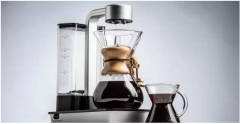
How Chemex Makes Better Pour-Over Coffee
A chemist-designed pour-over dripper, Chemex enhances coffee flavor with unique airflow and insulation. Here’s why it works and how to use it.

11 Unique Ice Drip Coffee Maker Designs You Need to See
Explore 11 eye-catching ice drip coffee maker designs from Taiwan design students, each with a unique aesthetic and brewing concept.
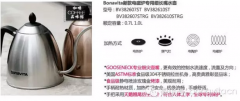
Bonavita’s New Electromagnetic Kettle for Pour-Over Brewing
Bonavita’s latest electromagnetic-compatible pour-over kettle comes in stainless steel and rose gold, with a refined spout and ergonomic handle for better control.
ICOFFEE N901CR Series Grinder: Uniformity Without Fines
The ICODEFFEE N901CR series grinder produces highly uniform grinds with almost no ultra-fine particles, ideal for single-origin pour-over.
Handground Coffee Grinders: Value, Looks, and Grind Control
Affordable and functional, hand-crank grinders offer good grind adjustability and aesthetics, often under $100 — even some under $50.
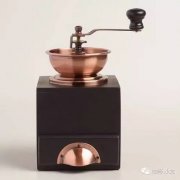
Why Hand Grinders Can Be a Bad Choice for Coffee
Hand grinders often grind unevenly, generate heat, and are inefficient — here’s what that means for your coffee quality.
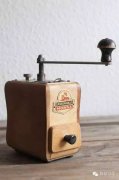
How to Choose the Best Hand Grinder for Home Brewing
Find out which home coffee hand grinder suits your brew method, why ceramic burrs beat metal, and how to use and clean yours properly.

What Is Kopi Luwak and Why Is It So Unique?
Kopi Luwak is made from civet-digested coffee beans. Its unique fermentation gives it a rare flavor—but production is extremely limited.
Cubita Coffee: The Cuban Embassy's Chosen Caribbean Bean
Cubita is Cuba’s official embassy coffee, grown near Jamaica’s Blue Mountains and processed like specialty single origins. Here’s what makes it unique.
How Gloria Jean's Became Australia's Top Coffee Brand
Learn how Gloria Jean's, founded in the US, grew into Australia's leading coffee chain, sourcing beans globally and roasting in Sydney.

Jamaica Blue Mountain Coffee: What Makes It Special?
Only 15% of Jamaica’s high-elevation coffee can be called Blue Mountain. Here’s what defines the legendary bean and why it commands such prestige.
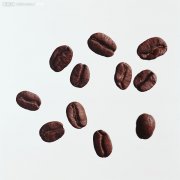
Nestlé Coffee Safety Concerns: What the Facts Say
Nestlé coffee faced carcinogen claims in 2012, but the company stated full compliance with Chinese laws and international standards. Here's what we know.
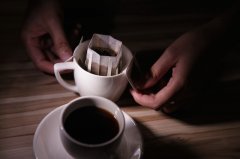
Is Acrylamide in Instant Coffee a Real Health Risk?
Instant coffee contains acrylamide, but how much is actually harmful? Here’s what the data and health experts say.
Is Acrylamide in Instant Coffee a Health Risk?
Instant coffee contains acrylamide, a potentially harmful compound also found in fried and baked foods. Here’s what the data says and how much is too much.
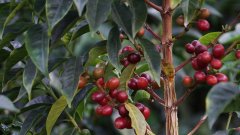
What Does 'Mocha' Really Mean in Coffee?
Mocha can refer to a Yemeni coffee bean, a chocolate-flavored drink, a moka pot, or more. Here’s how to tell them apart.
The Origins of Mocha Coffee: How Mocha Beans Got Their Name
Mocha coffee takes its name from the ancient port of Mocha in Yemen. Here’s how that name stuck — and what makes these beans unique today.
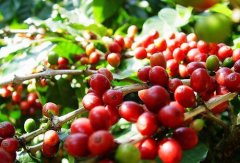
Where Does Mocha Coffee Come From?
Mocha coffee gets its name from a Yemeni port and is known for its chocolatey profile. Learn its history and flavor origin.
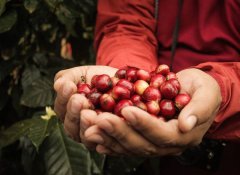
How to Brew Single Origin Coffee at Home
Learn how to roast, grind, and brew single origin coffee for the freshest, most flavorful cup using proven home methods.
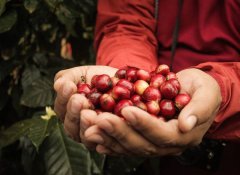
Why Brazilian Coffee Beans Are Common in Espresso Blends
Brazilian coffee offers low acidity, smooth body, and nutty sweetness—making it ideal for espresso blends and milk drinks.