Tuesday, September 8, 2026 · Leading English Source for Global Coffee Industry

Coffee Knowledge

Latest articles, industry insights and brewing guides
Sumatran Coffee from Mantenin Coffee producing area

Sumatran Coffee from Mantenin Coffee producing area

Manning coffee is produced in Sumatra, Indonesia, Asia, also known as Sumatran coffee. The main producing areas are Java, Sulawesi and Sumatra, 90% of which are Robusta species. Among them, Mantenin, produced in Sumatra, is the most famous. The best of the exquisite traditional Arabica coffee produced in northern Sumatra of Sumatra is called Lindong Lintong

Manning coffee is produced in Sumatra, Indonesia, Asia, also known as Sumatran coffee.

Manning coffee is produced in Sumatra, Indonesia, Asia, also known as Sumatran coffee.

Manning coffee is produced in Sumatra, Indonesia, Asia, also known as Sumatran coffee. Her flavor is very rich, fragrant, bitter, mellow, with a little sweetness. Most coffee lovers drink on their own, but it is also an indispensable variety for blending coffee. At a time when Blue Mountain had not yet been made public, Manning coffee was considered to be the best product in the world.

What is charcoal coffee? know charcoal coffee

What is charcoal coffee? know charcoal coffee

When it comes to charcoal coffee, we can compare it with financial tycoon Soros. Soros's English name, Shaoluos, is pronounced Soros, and the pronunciation of the reverse alphabetical order is still Soros, an out-and-out devil's name, full of evil. And according to the Chinese meaning, charcoal-roasted coffee can also be achieved in the opposite direction.

The taste of mocha coffee beans

The taste of mocha coffee beans

It is one of the most sour coffee, mocha coffee is sometimes called Ethiopian coffee. Mocha beans are so popular because of their rich taste. Aromas of red wine, wild game, dried fruit, blueberries, grapes, cinnamon, tobacco, sweet spices, log, and even chocolate. Europeans like mocha coffee very much and have always used it as a kind of consumption.

What are the characteristics of mocha coffee?

What are the characteristics of mocha coffee?

CafeMocha is one of the oldest types of coffee, dating back to the origins of coffee. Mocha is named after the famous Mocha Harbor. In the fifteenth century, the outward transportation industry of the whole Middle East non-coffee countries was not prosperous. Yemen Mocha was a major export port near the Red Sea at that time. At that time, as long as coffee was concentrated in Mocha Port and then exported to Africa, it was collectively called Mocha.

May 17, 2016 238 views #Mocha #Coffee #Which #Features #CafeMocha #One
What is a coffee cup test? What is the cup test?

What is a coffee cup test? What is the cup test?

Just like tasting wine, we judge the sweetness and acidity, bitterness, aftertaste and aroma of coffee, as well as the quality of coffee. "Cup coffee" is practically popular in coffee producing and producing countries, and it is the most direct way to deliver the unique flavor of coffee. A cup test should be carried out to determine whether or not to buy coffee and raw beans in the production area. The cup method is here.

Instant coffee? dissolved coffee? High-quality coffee available at any time.

Instant coffee? dissolved coffee? High-quality coffee available at any time.

Instant coffee, or instant coffee, was first invented in 1901 by a Japanese-born American chemist named Satori Kato in Chicago. It was not until Nestl é began commercial marketing in 1938 that this method was widely accepted. Also because in a short period of time, the quality of instant coffee has also improved by leaps and bounds; so every

Coffee stew coffee brewing method

Coffee stew coffee brewing method

Stewing can be said to be the easiest way to make coffee. That is, just put the rough ground coffee and hot water together. It is very similar to piston coffee brewing, except that there is no piston pot that can separate the ground coffee powder from the coffee drink. Stewing has been more and more accepted and used, because it always serves everyone without defect.

Piston brewing coffee unpopular method of brewing coffee

Piston brewing coffee unpopular method of brewing coffee

Piston coffee brewing, some say it was invented in 1933 to extract the most flavor of ground coffee beans. The pot should be heated in advance, then add the rough ground coffee to the bottom of the pot, add hot water, then stir and boil for about three to five minutes, before the piston has completely lost its strength, grind the coffee powder and coffee.

Arabian or Turkish coffee brewing

Arabian or Turkish coffee brewing

Arabian or Turkish coffee although coffee beans have spread from Arabia to the world, the Arab method of making coffee is less famous. The Arab method of brewing coffee is basically quite different from other methods of brewing coffee: traditionally, the Arab method is to brew the coffee three times. Coffee made in boiling water can easily boil off the aroma of coffee, but it is the most heavy-flavored coffee.

Understand the basic knowledge of coffee classification of coffee

Understand the basic knowledge of coffee classification of coffee

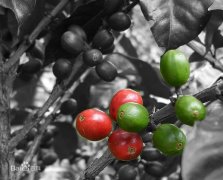
Classification of coffee: coffee trees can be roughly divided into five types, of which Arabica and Robusta are more common. Arabica species, which account for more than 70% of the world's total output, are generally grown on slopes above 900 meters above sea level and are mostly found in tropical high-altitude areas such as Central and South America, East Africa, Southeast Asia and Hawaii. Its pleasant aroma and rich taste

Professional coffee terminology how to understand fine coffee

Professional coffee terminology how to understand fine coffee

Coffee terminology: knowing certain coffee terms not only allows you to accurately express your understanding of coffee, but also makes your customers or friends think that you are quite expert in coffee and are a coffee glutton. Flavor [flavor] is the overall impression of aroma, acidity, bitterness, sweetness and mellowness, which can be used to describe the overall feeling of contrast coffee. Acidity [acidity] is all raw.

Boutique coffee what is the main producing country of boutique coffee

Boutique coffee what is the main producing country of boutique coffee

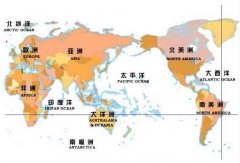
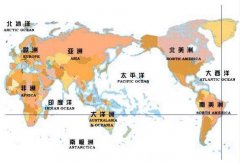
Major coffee producing countries: coffee production zones generally range from 25 degrees north to 30 degrees south, covering most countries in Central Africa, East Africa, the Middle East, India, South Asia, the Pacific, Latin America and the Caribbean. The reason why coffee is mainly concentrated in this area is that coffee is very vulnerable to frost, and the temperature and humidity are most suitable for coffee in the tropics.

Boutique coffee what is the main producing country of boutique coffee

Boutique coffee what is the main producing country of boutique coffee

Major coffee producing countries: coffee production zones generally range from 25 degrees north to 30 degrees south, covering most countries in Central Africa, East Africa, the Middle East, India, South Asia, the Pacific, Latin America and the Caribbean. The reason why coffee is mainly concentrated in this area is that coffee is very vulnerable to frost, and the temperature and humidity are most suitable for coffee in the tropics.

Boutique coffee what is the main producing country of boutique coffee

Boutique coffee what is the main producing country of boutique coffee

Major coffee producing countries: coffee production zones generally range from 25 degrees north to 30 degrees south, covering most countries in Central Africa, East Africa, the Middle East, India, South Asia, the Pacific, Latin America and the Caribbean. The reason why coffee is mainly concentrated in this area is that coffee is very vulnerable to frost, and the temperature and humidity are most suitable for coffee in the tropics.

The method of making coffee by hand-brewing Drip drip filter cup

The method of making coffee by hand-brewing Drip drip filter cup

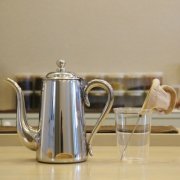
Prepare 600-700 ml of water, then heat the ing. Weigh 25-30g coffee beans. At this time, use a bean grinder to grind the coffee beans into powder while the water is still heating. The coffee powder is about the same thickness as unprocessed sea salt. Put the tapered filter paper into the filter cup and connect the glass at the bottom. First soak the filter paper with some hot water and heat the filter cup (the filter cup in the picture is ceramic).