
Coffee Knowledge
Latest articles, industry insights and brewing guides
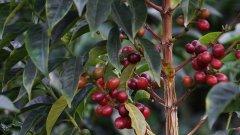
Types of Coffee Trees and What They Mean for Your Cup
Learn the 12 known coffee tree species and why only two dominate your cup—Alibaba and Canephora—with key growing facts and flavor profiles.

Bali’s Rising Specialty Coffee Scene
How a team in Ubud changed Bali’s coffee reputation with local farms, quality processing, and a focus on clean, fruity profiles.
Understanding the Coffee Gold Cup Standard
Learn the key numbers behind the SCAA’s Gold Cup Standard: 18–22% extraction and 1.15–1.35% concentration for balanced brewed coffee.
Guatemala Coffee Grades and Flavor Profiles
Learn how Guatemala classifies coffee by altitude and what defines its specialty-grade cup qualities, with key flavor notes explained.
How Kenya Classifies Its Specialty Coffee Grades
Kenya grades coffee by bean size, density, and defects. Learn the full AA, AB, PB, E, and UG system used for high-quality lots.
How Coffee Bean Grades Differ by Country and Altitude
Learn how altitude and country-specific grading systems classify specialty coffee beans, from Mexico to Ethiopia.
How Are Coffee Bean Grades Determined?
Coffee bean grades depend on bean size, defects, and processing. Learn how origin and screen size affect your cup quality.
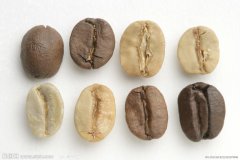
How Many Types of Coffee Beans Are There?
Coffee beans mainly fall into two species: Arabica and Robusta. Within them, processing and roast levels further define flavor profiles.

How Coffee Growing Countries Grade Their Beans
Discover why countries near the equator use screen size, while others rely on altitude or defect counts for coffee bean grading.
How Coffee Beans Are Graded by Screen Size and Defect Rate
Learn how coffee producers grade green beans using screen size, defect counts, and cupping—key factors in determining quality and market grade.
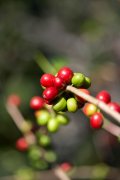
How Coffee Bean Size Is Graded Using Screens
Learn how coffee beans are graded by size using numbered screens, why larger beans often command higher grades, and what sizes define top grades in Kenya and Colombia.

How Coffee Bean Grades Are Set by Elevation
Learn how coffee-producing countries grade beans by altitude, and why high-elevation beans are often better quality.
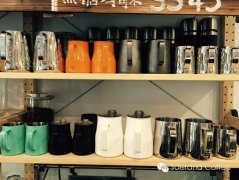
Comparing Popular Milk Pitchers: Pros, Cons and Key Brands
A detailed look at the strengths and weaknesses of top milk pitchers like Tiamo, RW, Motta and Barista Gear. Find your ideal pitcher for latte art and steaming.
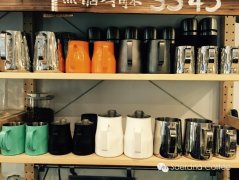
How to Choose an Espresso Milk Pitcher: Size, Shape & Function
Find the best milk pitcher for your espresso drinks based on cup size, spout design, and capacity. Avoid wasting milk with the right ratio.
CIMBALI Espresso Machines: A Legacy Since 1912
Learn how CIMBALI became a global synonym for professional espresso machines, starting from its 1912 origins with the CIMBALI family.
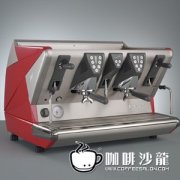
La San Marco: Italy’s Iconic Espresso Machine Brand
Founded in 1920, Italian brand La San Marco dominates 25% of its home market and exports 60% globally—renowned for durable, serviceable espresso machines.
The Story Behind the FAEMA E61 Espresso Machine
Discover how FAEMA’s 1961 E61 revolutionized espresso machines with its stable pressure and heat exchange system, still used in modern designs today.
CIMBALI LA CIMBALI: A Legacy in Commercial Espresso Machines
Founded in 1912, CIMBALI’s LA CIMBALI brand is globally recognized as a leader in high-performance commercial espresso machines.
How to Use the BRIKKA Moka Pot to Make Crema
Learn how to properly use the BRIKKA moka pot to brew coffee with crema, including setup, maintenance, and brewing tips.

Filter Brewing Showdown: Aeropress, MUJI, and V60 Compared
Three brewing setups tested side-by-side on four beans reveal which filter combo delivers the cleanest, sweetest cup.