
Coffee Knowledge
Latest articles, industry insights and brewing guides

What Is Espresso and How Is It Made?
Espresso is a high-pressure, high-extraction coffee made with fine grounds at 9–10 bar pressure. Learn its definition, texture, crema, and role in coffee drinks.
Macchiato vs Cappuccino: What’s the Real Difference?
A macchiato is one-third the size of a cappuccino, topped with just steamed milk foam—not milk—preserving bold espresso flavor without dilution.
What Is a Macchiato Espresso and How Do You Drink It?
A macchiato is a shot of espresso topped with a small layer of milk foam, not steamed milk. It’s about one-third the size of a cappuccino and keeps the bold espresso flavor.
How to Steam Milk for Coffee: Temperature & Technique
Learn the ideal milk temperature and steaming technique for smooth, well-integrated microfoam that won’t separate in your latte or cappuccino.
Four Elegant Ways to Drink Espresso
Discover four refined ways to enjoy espresso, from classic straight shots to pairing with desserts and lemon water.
How Bloom and Pre-Infusion Shape Your Coffee Extraction
Learn why the first stage of pour-over and espresso brewing—bloom and pre-infusion—directly affects flavor clarity, extraction balance, and why it matters.
How to Roast Coffee Beans at Home: Pan, Microwave & More
Learn to roast green coffee beans at home using a frying pan, microwave, or oven. Get step-by-step methods and tips for even roasting.
How to Start Home Coffee Roasting with a Hand Pan
Learn how to roast green coffee beans at home using just a hand pan, stove, and basic tools — a cheap and visual way to master roast basics.
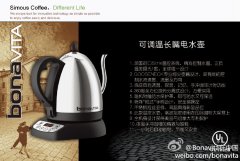
Why World Pour-Over Champs Use Bonavita Brewers
Discover why top brewers in the 2013 World Brewers Cup all chose Bonavita kettles—and how their precise features improve your pour-over game.
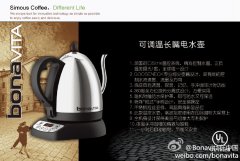
Adjustable Temperature Pour-Over with Bonavita in China
Bonavita’s precision kettles and brewers bring pro-level control to home pour-over setups—now available in China, used by competition champions.

How to Make Perfect Milk Foam for Espresso Drinks
Learn how to steam and froth milk properly for latte art using a manual milk frother, with ideal temps and techniques.

How to Steam Milk for Latte Art: Temperature & Technique
Master the ideal milk temperature (65–68°C) and foam texture for latte art with step-by-step steam wand techniques.
How to Choose an Ice Drip Coffee Maker
With so many types and price points, picking the right ice drip coffee maker can feel overwhelming. Here’s what matters most.
How to Make Authentic Japanese-Style Cold Drip Coffee
A step-by-step guide to brewing cold drip coffee at home, including grind size, water temperature, brew ratio, and timeline.
How to Make Cold Brew and Japanese-Style Toddy Coffee at Home
Learn how to make refreshing cold brew and Toddy-style coffee at home with simple tools—no special gear needed. Find the best beans and methods inside.

Toddy Cold Brew: The Easiest Way to Make Iced Coffee
Learn why the Toddy cold brew system is the simplest tool for making smooth, rich cold coffee at home or in the office.
The Origins and Brewing Time of Ice Drip Coffee
Learn how Dutch traders introduced ice drip coffee to 17th-century Java, and why it takes 8–12 hours to brew this clean, aromatic cold coffee.

How to Tell Ice Drip Coffee from Iced Coffee
Learn how to distinguish real ice drip coffee from iced hot-brewed coffee, based on aroma, taste, and production time.
Iced Drip vs Iced Coffee: Key Extraction Differences
Learn why cold drip coffee takes 8–12 hours at near-freezing temperatures and produces cleaner results than traditional iced coffee.
Iced Drip vs Iced Coffee: What’s the Real Difference?
Iced drip coffee and iced hot-brewed coffee are extracted differently—learn why one is cold-brewed, the other chilled, and how that changes flavor.